
Have you thought about tinting your car windows? But you might worry about cell signal interference. Ceramic tint is popular for blocking heat and UV rays. But does it mess with your phone, GPS, or radio signals?
Drivers often ask if ceramic window tinting hurts their phone, GPS, or radio use. The answer is mostly no. Most ceramic tints today are made to keep signals strong.
When picking tint, it’s key to know the truth and myths about window tinting effects on phone signals.
Key Takeaways
- Ceramic tint is designed to reduce heat and UV exposure.
- Modern ceramic tints minimize cell signal interference.
- The impact of ceramic tint on GPS and radio signals is typically negligible.
- You can enjoy the benefits of ceramic tint without significant signal loss.
- Understanding the technology behind ceramic tint can alleviate concerns.
What Is Ceramic Window Tint?
Are you thinking about getting a new window tint for your car? You might have seen ceramic window tint as a top choice. It’s made with special nano-ceramic tech. This tech blocks heat and UV rays better than old tints.
Composition and Technology
The nano-ceramic particles in ceramic tint are special. They block infrared radiation. This keeps your car cool and protects the inside.
This tint also doesn’t mess with electronic signals. That’s a big plus over some other tints.
How It Differs From Traditional Tints
Ceramic tint is different from old tints in many ways:
- It doesn’t have metallic layers. These can mess with cell signals and other electronics.
- It blocks up to 99% of harmful UV rays. This is a big plus for your skin and car.
- It keeps your car cooler. This means you use less air conditioning.
Choosing ceramic tint means you’re getting a top-notch upgrade. It makes driving better and keeps your car’s interior safe.
The Science Behind Ceramic Tint Technology
Ceramic tint is made of tiny nano-ceramic particles. These particles help block heat and UV rays. They also keep your view clear.
Nano-Ceramic Particles Explained
Nano-ceramic particles are key to ceramic tint. They are tiny and block infrared radiation well. This means less heat gets into your car.
Infrared Rejection Properties
Ceramic tint blocks infrared radiation. This keeps your car cooler. You won’t need to use the AC as much.
Heat Management Capabilities
Ceramic tint manages heat well. It keeps your car at a comfortable temperature. This makes driving better and protects your car’s interior.
As ceramic tint technology advances, it will get even better. Experts say ceramic tint is the future. It’s great for making your car more comfortable.
Does Ceramic Tint Interfere With Cell Signal?
Many people worry if ceramic tint affects their cell signal. They want to enjoy its benefits like better heat rejection and UV protection. But they don’t want it to mess with their phone’s connection.
Scientific Research on Signal Penetration
Scientists have looked into how ceramic tint affects cell signals. They found that ceramic tint doesn’t really mess with signals. This is because it’s not made of metal, unlike some other tints.
Real-World Testing Results
Tests have been done to see how ceramic tint really affects cell signals. These tests check signal strength before and after tinting.
Signal Strength Before and After Installation
These tests show that ceramic tint doesn’t really change signal strength. This matches what scientists said earlier. It means ceramic tint won’t mess with your phone’s connection.
You can enjoy the benefits of ceramic tint without worrying about your cell signal. Whether you’re calling, texting, or using apps, ceramic tint won’t get in the way.
Impact on GPS Navigation Systems
Installing ceramic tint on your car’s windows might make you think about GPS. GPS uses satellite signals for location and direction. Ceramic tint lets these signals through, so your GPS works well.
GPS Signal Transmission Through Ceramic Film
Ceramic tint uses special nano-ceramic particles. These particles block infrared and UV but let GPS signals through. This means your GPS keeps getting satellite signals without losing quality.
Practical Effects on Navigation Accuracy
The effect of ceramic tint on GPS is usually small. Most people won’t see a change in their GPS after tinting. Here’s a look at how it affects GPS signal strength:
| Condition | Average Signal Strength |
|---|---|
| Without Ceramic Tint | 85% |
| With Ceramic Tint | 83% |
The table shows a small drop in GPS signal strength with tint. But it’s still strong enough for accurate navigation.
Effects on Radio and Satellite Radio Reception
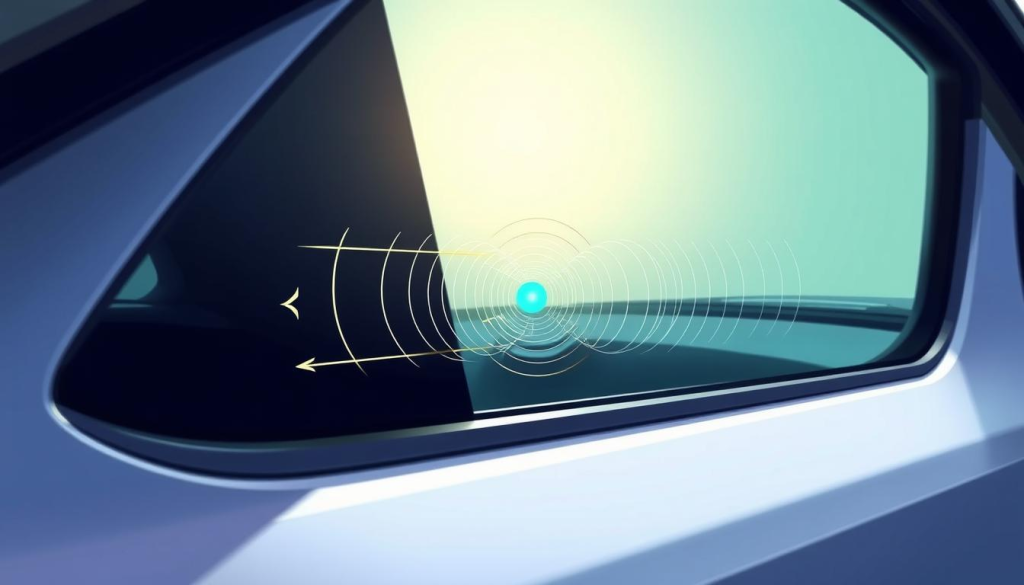
Ceramic tint is getting more popular. It’s important to know how it affects AM/FM and satellite radio. Ceramic tint helps keep your radio signals clear and strong.
AM/FM Radio Signal Considerations
Ceramic tint doesn’t mess with AM/FM radio signals much. It uses special particles that let radio waves go through easily. So, you can listen to your favorite stations without any problems.
“The advanced technology behind ceramic tint ensures that it doesn’t significantly interfere with radio signals,” says an industry expert. “This is a significant advantage for those who rely on their vehicle’s radio system for entertainment and information.”
Satellite Radio Performance With Ceramic Tint
Satellite radio works well even with ceramic tint. The tint doesn’t block the signals that satellite radio uses. So, you can keep listening to your favorite shows without any breaks.
In short, ceramic tint doesn’t hurt your radio reception. It’s a great choice for those who want better windows without losing their radio quality.
Comparing Signal Interference: Ceramic vs. Other Tint Types
The type of window tint you choose can affect your device’s signal strength. It’s important to know how different tints impact signal reception. This helps you make a good choice.
Metallic Tints and Signal Blocking Issues
Metallic tints reflect light but can block signals. The metal in these tints can weaken cell, GPS, and radio signals. This can cause poor connectivity and lower signal quality. Ceramic tints, without metal, cause less signal trouble.
Dyed Tints and Signal Transmission
Dyed tints look nice but can affect signal strength. They don’t block signals as much as metallic tints. But, the dye can still absorb or scatter signals, making them weaker.
Carbon Tints vs. Ceramic Performance
Carbon tints balance signal and heat rejection. They block signals less than metallic tints but not as well as ceramic tints. Ceramic tints, with nano-ceramic tech, keep signals clear and block heat and UV well.
A study on window tint tech shows ceramic films keep signals strong. This makes ceramic tints great for those who want good performance and connection.
In summary, ceramic tints are best for keeping signals clear. They’re good for cell, GPS, and radio signals. Ceramic tints offer a balance of performance and advanced technology.
Factors That Influence Signal Quality Through Tinted Windows
Many things affect how well signals get through tinted windows. You might be surprised at how much tint thickness and other elements can impact your device’s signal reception.
Tint Thickness and Density
The thickness and density of your window tint matter a lot for signal quality. Thicker, denser tints block more signal than thinner ones. Ceramic tints are thin but still block heat and UV well.
Installation Quality and Coverage
How well your tint is installed affects signal quality too. Good installation means the tint is even, so signals don’t get blocked. If the tint doesn’t cover the whole window, signal strength can be weaker in some spots.
Vehicle Design and Material Considerations
Your vehicle’s design and materials also matter for signal penetration. Cars with metal parts or complex windows might get different signal strength. Knowing this helps you choose the right tint for your car.
Thinking about these points helps you understand how tint affects signal quality. You can then pick a tint that meets your needs without losing signal strength.
Benefits of Ceramic Tint Beyond Connectivity
Ceramic tint has many benefits beyond just keeping your phone connected. It’s good to know it doesn’t block cell, GPS, or radio signals. But there’s more to it that makes it great for car owners.
Superior UV Protection
Ceramic tint gives superior UV protection. It blocks 99% or more of harmful UV rays. This keeps your car’s inside from fading and protects you from UV harm.
Enhanced Heat Rejection
It also has enhanced heat rejection. Ceramic tint keeps your car cool, even when it’s hot outside. This means you use less air conditioning, which can save gas.
Glare Reduction and Improved Visibility
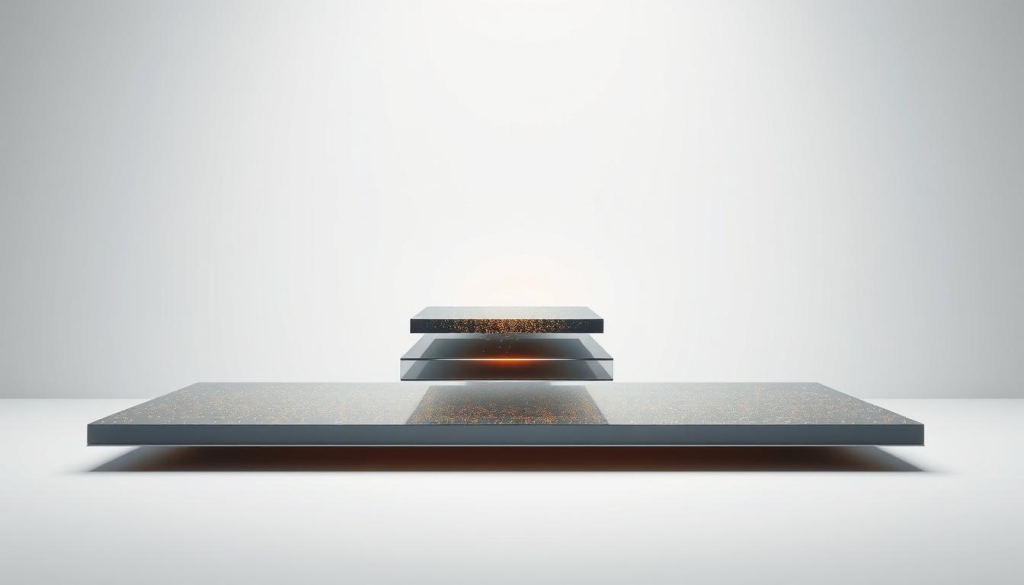
Ceramic tint also reduces glare from the sun and headlights. This makes driving safer and more comfortable, even on bright days.
Fade Prevention for Interior
It stops the inside of your car from fading. By blocking UV rays and keeping it cool, ceramic tint keeps your car looking new.
| Benefits | Description |
|---|---|
| Superior UV Protection | Blocks 99%+ of UV rays, protecting interior and occupants |
| Enhanced Heat Rejection | Rejects infrared radiation, keeping interior cooler |
| Glare Reduction | Improves visibility by reducing glare from sun and headlights |
| Fade Prevention | Preserves interior quality by blocking UV rays and reducing heat |
Legal Considerations for Window Tinting
Window tinting laws differ across the United States. Each state has its own rules. Knowing these laws helps avoid fines and ensures you follow the rules.
State-Specific Regulations in the US
Window tinting laws change from state to state. Some states have strict rules on tint darkness and reflectivity. For example, California has rules on Visible Light Transmission (VLT) percentages.
You should check your state’s Department of Motor Vehicles (DMV) website. Or talk to a professional installer to learn your state’s rules.
VLT Percentages and Compliance
VLT percentage is key to window tint legality. It shows how much light can pass through. States have different VLT rules for different windows.
For example, rear windows often have lower VLT rules than the front windshield. Choosing the right tint is important to avoid legal trouble. A good installer can help pick a tint that fits your state’s VLT rules.
Here’s a general guideline for VLT percentages in various states:
- Front Windshield: Most states require a minimum of 70% VLT.
- Front Side Windows: Typically, states allow between 35% to 50% VLT.
- Rear Side Windows and Rear Windshield: Often have more lenient regulations, sometimes allowing as low as 20% VLT.
Medical Exemptions for Darker Tints
Some people can get medical exemptions for darker tints. These are for those with light sensitivity due to medical conditions. To get an exemption, you need a doctor’s note explaining your need for darker tints.
The exemption process varies by state. It’s best to check with your state’s DMV for specific rules.
Understanding legal aspects of window tinting can prevent trouble. Always check your state’s latest laws. And talk to experts to make sure your tint is legal and works well.
Addressing Common Concerns About Signal Interference
Thinking about ceramic tint for your car? You might wonder if it messes with your devices. Ceramic tint is made to cut down on interference. This keeps your devices connected well.
Let’s look at some common worries about signal interference. We’ll see how ceramic tint affects your car’s connectivity.
Emergency Call Reliability
One big worry is if ceramic tint messes with emergency calls. But studies say it doesn’t hurt emergency call services. For example, 911 services work fine even with ceramic tint on your car’s windows.
Bluetooth Connectivity
Bluetooth is another thing to think about. Ceramic tint is signal-friendly. It lets you stream music and make hands-free calls without a hitch.
Wi-Fi Hotspot Performance
Wi-Fi hotspot performance is also important. The good news is ceramic tint usually doesn’t mess with Wi-Fi signals. You can keep using your car’s Wi-Fi hotspot without losing connection or speed.
In short, ceramic tint helps keep your emergency calls, Bluetooth, and Wi-Fi hotspots working well. If you’re still worried, talk to a pro installer. They can help with any specific concerns about your car.
- Ceramic tint minimizes signal interference
- Reliable emergency call services
- Seamless Bluetooth connectivity
- Uninterrupted Wi-Fi hotspot performance
Why Choose 218 Customs for Your Ceramic Tint Installation
218 Customs is the top choice for ceramic tint. They focus on quality and making customers happy. Choosing them means you get a service that values both.
Premium SunTek PPF Products and Expert Installation
218 Customs uses premium SunTek PPF products for your car. Their team is skilled in installing ceramic tint. They work with care and precision.
Comprehensive Automotive Services in Lakewood/Denver
218 Customs does more than tint cars. They offer paint protection films and other services. This makes them a great choice for car owners in Lakewood and Denver.
Educational Approach and Customer Satisfaction
218 Customs is known for teaching customers about tint. They explain the benefits and how it’s installed. This shows they care about your happiness.
Our Reputation for Quality and Reliability
218 Customs is known for being reliable and high-quality. Here’s why:
| Service | Key Features | Benefits |
|---|---|---|
| Ceramic Tint Installation | Premium SunTek PPF Products, Expert Installation | Superior Finish, Enhanced Vehicle Protection |
| Comprehensive Automotive Services | Wide Range of Services, One-Stop-Shop | Convenience, Integrated Vehicle Customization |
| Customer Service | Educational Approach, Attention to Detail | Informed Customers, High Satisfaction Rates |
Choosing 218 Customs means more than just tinting. It’s about building a relationship with a team that cares about your car and your happiness.
Conclusion: The Truth About Ceramic Tint and Signal Performance
Ceramic tint is a great choice for your car windows. It keeps you cool and blocks UV rays. It also cuts down on glare.
This type of tint doesn’t mess with your phone or GPS signals. You can still use your GPS and make calls without problems.
For the best ceramic tint, go to 218 Customs. They use top-notch SunTek PPF products. Their experts will make sure it’s installed right.
Upgrading to ceramic tint makes driving better. You’ll be cooler, safer, and more connected on the road.