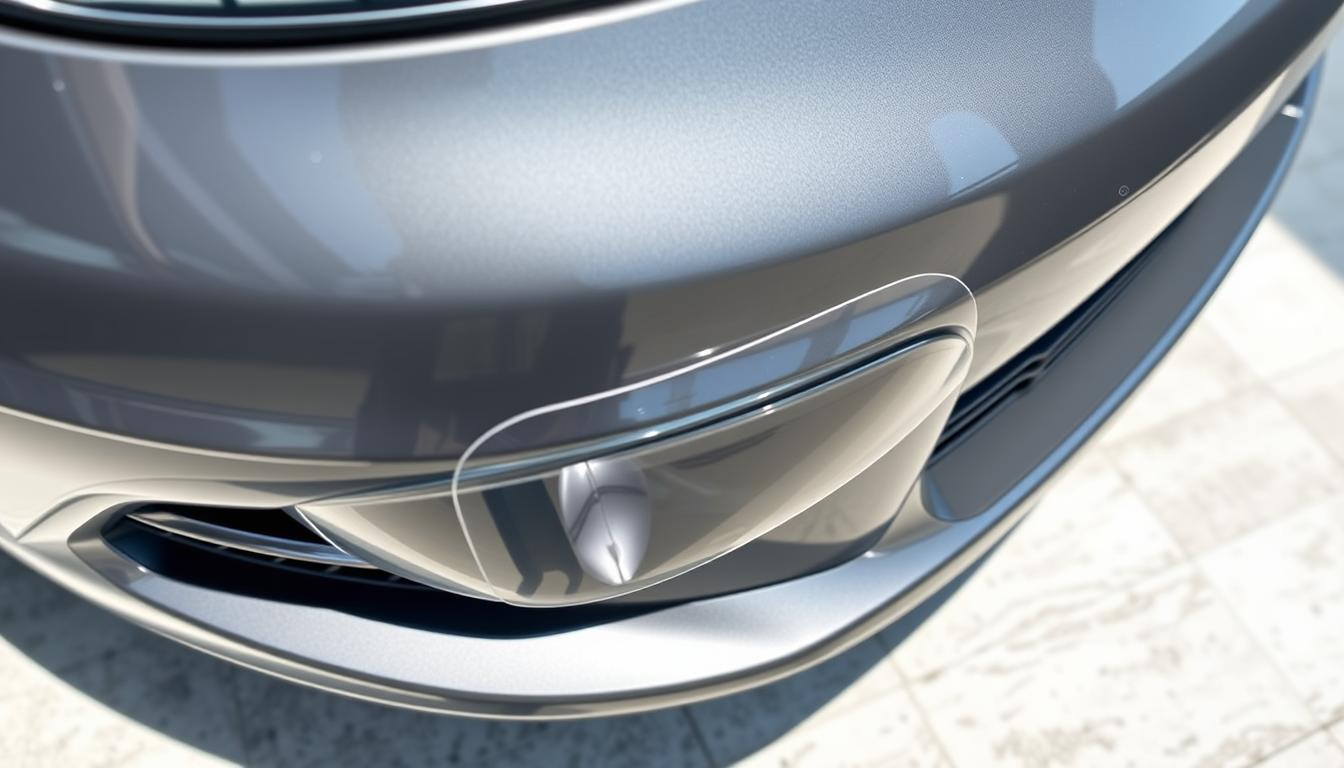
Are you worried about rock chips ruining your car’s paint? You’re not alone. Many car owners deal with this problem. But, there’s a solution that’s becoming more popular: Paint Protection Film (PPF).
PPF is a clear film put on your car’s paint to protect it from rock chips and other debris. But how well does it really work? In this article, we’ll look at PPF’s benefits. We’ll also share real results from car owners who got it installed by 218 Customs. They are known for their top-notch car care.
Key Takeaways
- PPF is a clear film that shields your vehicle’s paint from rock chips and debris.
- 218 Customs is a trusted provider of PPF installation services.
- Real results from car owners show the effectiveness of PPF.
- PPF can help keep your vehicle looking good and its value up.
- Getting it installed right is key for the best PPF results.
The Threat of Rock Chips to Your Vehicle’s Paint
Driving without protection is like driving without insurance. It leaves your car’s paint open to damage. Rock chips can happen anytime, on the highway or in construction zones. Even small impacts can cause big damage.
Common Causes of Paint Damage on the Road
Debris kicked up by other cars can chip or crack your paint. This leaves ugly marks. Road construction also raises the risk of damage, with loose gravel and uneven surfaces.
The Long-term Impact of Unprotected Paint
Unprotected paint can lead to rust. When paint chips, metal gets wet and rust spreads. This harms your car’s look and strength.
Why Traditional Solutions Fall Short
Wax or sealants offer some protection but not enough against rock chips. They might block for a bit but don’t absorb impact. For real protection, you need something stronger.
| Protection Method | Effectiveness Against Rock Chips | Durability |
|---|---|---|
| Wax or Sealants | Low | Short-term |
| Vehicle Paint Protection Film | High | Long-term |
Getting a car paint shield like PPF can prevent costly paint fixes. Knowing the risks and picking the right shield keeps your car looking good and valuable.
What is Paint Protection Film (PPF)?
PPF, or Paint Protection Film, is a special product. It keeps your car’s paint safe from harm. This clear film goes on the car’s outside, protecting it from rock chips and scratches.
The Evolution of PPF Technology
PPF technology has grown a lot over time. Now, it offers better impact resistance and clear bra protection. It’s made to last longer, giving car owners peace of mind.
How Modern PPF is Manufactured
Modern PPF is made with new methods and top materials. This makes it very good at protecting the paint. It also looks almost invisible, keeping the car looking new. The PPF benefits include better protection and a special fix for small scratches.
Different Grades and Types of PPF Available
There are many kinds of PPF out there. Some have extra features like better UV protection. Knowing the differences helps you pick the best PPF for your car. This way, you get the most PPF benefits.
Does PPF Protect Against Rock Chips? Real-World Testing
Car owners wonder if PPF really keeps rock chips away. We looked at lab tests and real car use. This gives a clear view of PPF’s power.
Laboratory Testing Results
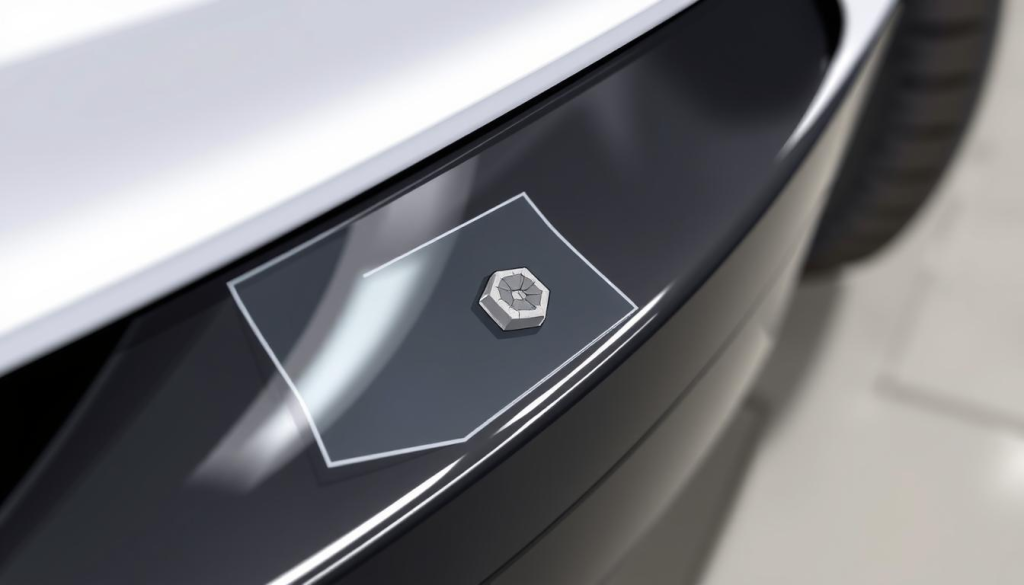
PPF gets tested hard in labs to see if it stops rock chips. They shoot things fast at it to mimic real life.
- Impact Resistance: Good PPF can take a lot of hits without hurting the paint.
- Self-Healing Properties: New PPFs can fix small scratches by themselves, even with heat.
Field Testing and Customer Testimonials
Real car tests and what owners say are very helpful. Many say PPF really cuts down on paint damage from rocks.
“After installing PPF on my vehicle, I’ve noticed a remarkable difference in how my car’s paint looks, even after driving on rough roads. It’s like having an invisible shield!”
Limitations of PPF Protection
PPF does a great job against rock chips, but it’s not perfect. How well it works depends on the film’s quality, who installs it, and where you drive.
- Quality Matters: Not all PPFs are the same; better ones protect more.
- Proper Installation: Even top PPF can fail if not put on right.
In short, PPF is a strong shield for your car’s paint against rock chips. It’s proven in labs and real cars. Knowing its strengths and weaknesses helps you decide if PPF is for you.
The Science Behind PPF’s Protective Capabilities
PPF works well as a car paint shield because of its smart tech and materials. It’s not just a shield; it’s a clever fix for many paint threats.
Self-Healing Properties Explained
Modern PPF has a cool trick: it can fix small scratches and swirls by itself. This happens when it gets warm, and it makes the film smooth again.
Impact Absorption Technology
PPF also protects your car from road debris. It does this by spreading out the force of hits. This keeps your paint safe.
UV Resistance and Yellowing Prevention
UV rays can make paint fade and get old. But good PPF stays strong against UV. It keeps your car looking new, even in the sun.
Comparing PPF to Other Protection Methods
Many car owners look for the best way to protect their paint. They compare vehicle paint protection film (PPF) with other methods. It’s key to know how PPF compares to others.
PPF vs. Ceramic Coatings
Ceramic coatings are loved for being easy to clean and water-repellent. But, they don’t stop rock chips like PPF does. Ceramic coatings can fight off small scratches, but they can’t replace PPF’s impact protection.
- PPF is better at stopping rock chips and minor hits.
- Ceramic coatings are easy to clean and water-repellent.
- Using both can give your car the best protection.
PPF vs. Vinyl Wraps
Vinyl wraps let you change your car’s look. They offer some protection but are mainly for style. PPF, on the other hand, is all about keeping your car’s paint safe while looking good.
“Vinyl wraps can fight off small scratches, but they can’t stop rock chips and road debris damage like PPF.”
PPF vs. Traditional Clear Coats
Most cars have a clear coat for shine and some protection. But, it can get damaged by UV rays, chemicals, and hits. PPF is made to take hits and keep your paint safe, offering better long-term protection.
In short, vehicle paint protection film is top for stopping physical damage. Knowing what each method does best helps you choose the best paint protection for your car.
The Investment: PPF Costs vs. Paint Repair Expenses
Choosing Paint Protection Film (PPF) is a smart move. It protects your car’s paint and saves money. It’s a wise choice for your wallet.
Average Cost of Quality PPF Installation
PPF costs depend on your car’s size, film quality, and the installer. A good PPF job can cost $500 to $2,000 or more. It’s a big upfront cost, but think about what else you could spend it on.
The Price of Paint Correction and Respray
Fixing your car’s paint can be pricey. The cost varies with damage, car size, and paint quality. Small fixes start at $300, but a full respray can cost $1,000 to $5,000 or more.
Long-term Financial Benefits of PPF
PPF might seem expensive at first. But it saves you money in the long run. It keeps your car’s paint safe and value high. Here’s a comparison:
| Service | Cost Range | Long-term Value |
|---|---|---|
| PPF Installation | $500 – $2,000 | Protects paint, maintains vehicle value |
| Paint Correction | $300 – $1,000 | Temporary fix, may need repeated |
| Full Respray | $1,000 – $5,000+ | Restores appearance, but costly |
PPF is more than just paint protection. It’s a smart financial choice. It keeps your car looking good and its value up.
How to Choose the Right PPF for Your Vehicle
To keep your car safe, you need to know about PPF. It’s important to pick the right Paint Protection Film (PPF). Think about what you need and how it will last.
Understanding Film Thickness and Durability
How thick the PPF is matters a lot. Thicker films protect better against rock chips and damage. But, they can be harder to put on.
PPF usually is 6 to 8 mils thick. The 8 mils option is the strongest. It gives your car’s paint the best protection.
Full Coverage vs. Partial Coverage Options
Choosing between full and partial coverage depends on what you need and can afford. Full coverage protects your whole car. Partial coverage covers just high-risk spots like the hood and front bumper.
Partial coverage is cheaper. But, it might not protect all areas well.
Special Considerations for Different Vehicle Types
Every car is different when it comes to PPF needs. Trucks and SUVs need strong films because they get hit by more stuff on the road. Sports cars might want thinner films to keep their look but still protect.
The Professional Installation Process
Protecting your car’s paint is key. Knowing how clear bra protection is installed is important. It’s not a job for DIY; it needs a skilled tech with the right tools.
Pre-Installation Preparation
Before automotive surface protection is applied, the car must be cleaned well. This means washing, making sure it’s free of dirt, and fixing small paint issues. This makes the protection stick better.
Application Techniques and Tools
Putting on PPF is all about precision. The installer uses special tools to make sure it’s applied right. This means no bubbles and a smooth look.
Post-Installation Care and Curing
After it’s on, the PPF needs time to settle. The installer will tell you how to take care of it. For tips on keeping your car safe, including windshield protection film, check out our guide.
| Installation Step | Description | Importance |
|---|---|---|
| Pre-Installation Cleaning | Thorough washing and decontamination | Ensures a clean surface for application |
| Application | Careful alignment and application of PPF | Critical for a bubble-free and seamless finish |
| Post-Installation Care | Guidance on curing and maintenance | Essential for longevity and performance of PPF |
Maintaining Your PPF for Maximum Longevity
To keep your Paint Protection Film (PPF) working well, you need to take care of it. Regular maintenance helps your PPF last longer. It also keeps it good at stopping rock chip prevention.
Recommended Cleaning Products and Methods
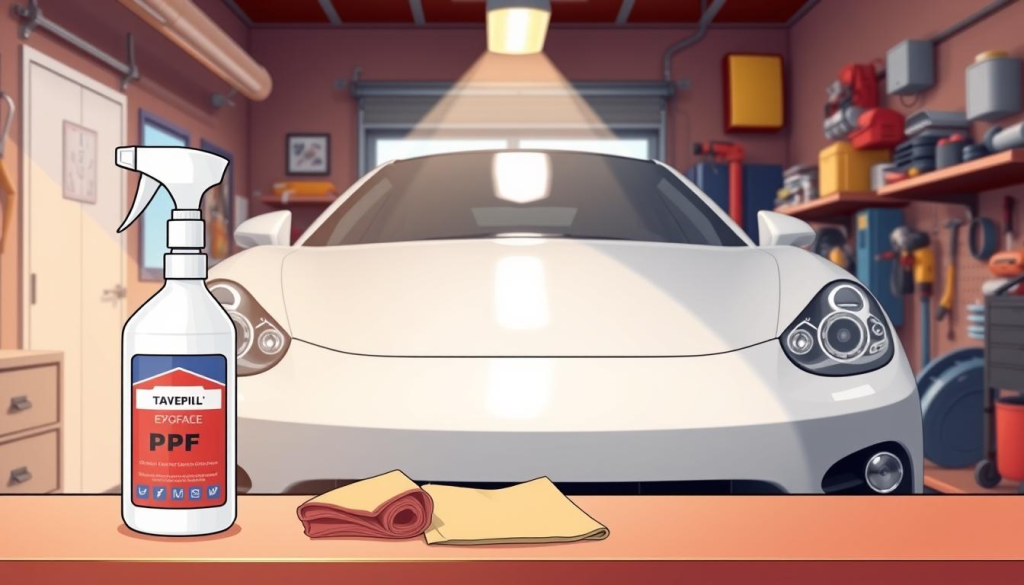
Use a mild soap and a soft, microfiber cloth to clean your PPF. Don’t use harsh chemicals or rough stuff that can hurt the film. Washing it often keeps it looking good and working right.
What to Avoid When Caring for PPF
Don’t use high-pressure washes or strong cleaners. They can mess up the adhesive or harm the film. Also, stay away from automatic car washes with brushes. They can scratch your PPF. Hand washing or touchless car washes are better.
Signs Your PPF Needs Replacement
If your PPF has deep scratches, is yellowing, or peeling off, it’s time for a new one. Also, if it’s not stopping rock chips anymore, it’s time for a replacement. This keeps your PPF benefits for your car.
By following these tips, your PPF will keep protecting your car’s paint for a long time.
Why Choose 218 Customs for Your PPF Installation
218 Customs is a top pick for PPF installation. They focus on quality and making customers happy. They solve the problem of rock chips and paint damage well.
Premium SunTek PPF Products and Quality Guarantee
218 Customs uses the best SunTek PPF products. This means your car gets top protection from the weather. Their premium PPF keeps your car’s paint safe and looking good.
| Feature | SunTek PPF | Standard PPF |
|---|---|---|
| Self-Healing | Yes | No |
| Thickness | 8 mil | 6 mil |
| Warranty | 10 years | 5 years |
Comprehensive Vehicle Protection Services
218 Customs does more than just PPF. They also do ceramic coatings and paint correction. They keep your car looking great.
Serving the Lakewood and Denver Metro Area
218 Customs is in Lakewood and serves Denver Metro. They make it easy to get their great services. Their team works hard to make sure you’re happy.
Customer Success Stories
Our customers love what we do. “218 Customs did an amazing job with my car’s PPF installation. It’s been a year, and it still looks like new!” – John D.
Our Installation Process
We take our time to make sure your car looks perfect. We prepare the surface, apply the PPF carefully, and check our work. We want it to be just right.
Choosing 218 Customs means you’re protecting your car’s paint. You’re also making it last longer and look better. They’re the best for car owners who want the best.
Conclusion: Protecting Your Investment with PPF
You’ve learned about the dangers of rock chips to your car’s paint. Paint Protection Film (PPF) can protect your investment. It’s like a shield against road debris, keeping your car looking good and its value high.
Choosing 218 Customs for PPF means you get the best. They use advanced SunTek PPF products and have expert installers. They take care of your car from start to finish.
Getting PPF is a smart move to keep your car in top shape. It means you can drive without worry, knowing your car’s paint is safe. Count on 218 Customs for great protection and service.