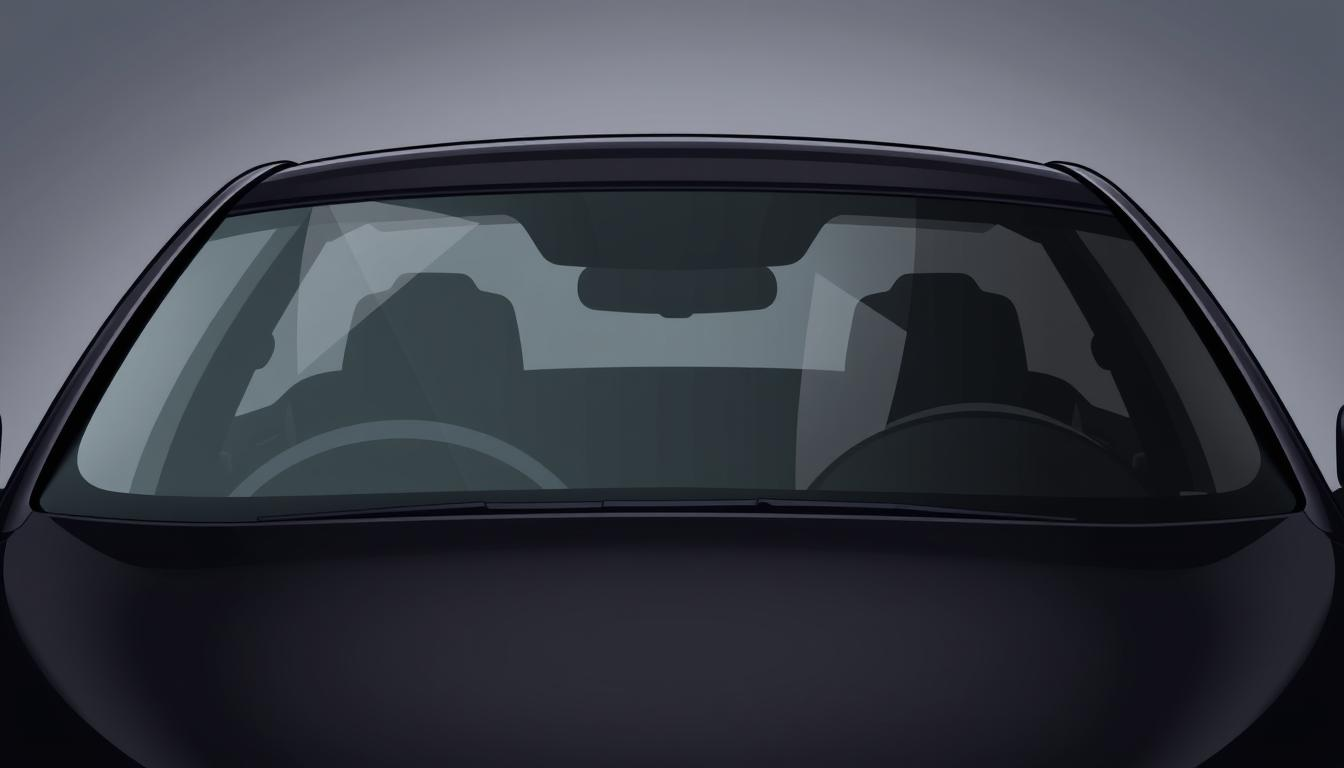
Window tinting is a great way to customize your car. But, you must decide if you should tint the front, rear, or both windows. Knowing the differences between front and rear window tint helps you make a good choice.
So, what’s the difference between front window tint and rear window tint? The main differences are in how they work, the laws around them, and how they look. For example, front window tint has stricter rules because of safety. On the other hand, rear window tint lets you choose from more shades and designs.
Key Takeaways
- Understand the legal restrictions on front and rear window tint.
- Learn about the functional differences between front and rear window tint.
- Discover how to choose the right tint for your vehicle’s front and rear windows.
- Explore the aesthetic options available for front and rear window tint.
- Find out how to maintain your vehicle’s window tint for longevity.
Understanding Window Tinting Basics
Thinking about tinting your car windows? It’s good to know the basics. Window tinting makes your car look cool and offers many benefits.
How Window Tint Works
Window tint is a thin film that sticks to your car’s windows. It blocks a lot of sun rays, keeping your car cool and comfy. It also protects your car’s inside from fading.
Some tints block up to 99% of UV rays. This is great for your skin and keeps your car looking new. Learn more on our window tinting page.
Types of Window Tint Films Available
There are many tint films to choose from. You can pick from dyed, metallic, or ceramic tints. Dyed tints are simple and cheap, but don’t block much heat. Metallic tints reflect heat better. Ceramic tints block heat and UV rays well, and don’t mess with electronics.
| Type of Tint | Heat Rejection | UV Protection | Visibility |
|---|---|---|---|
| Dyed | Low | Moderate | Darkened |
| Metallic | Moderate to High | High | Clear to Dark |
| Ceramic | High | Very High | Clear |
What’s the Difference Between Front and Rear Window Tint?
Front and rear window tints do different things. Knowing these differences helps you pick the right tint for your car. They affect how well you can see, if the tint is legal, and how it’s put on.
Visibility Requirements
Front and rear window tints have different rules for how clear they must be. The front windshield needs to be clear enough for safe driving. Most states say the tint must let in at least 70% of light, but this can change.
Rear window tints can be darker. But, very dark tints can make it hard to see when backing up, even at night. Some places have rules about how dark rear window tints can be. Always check the local laws.
Legal Restrictions
Window tint laws differ by state. Knowing these laws is key to avoid fines and make sure your tint is okay. For the front windshield, many states have strict rules about how dark it can be.
Rear window tints have fewer rules, but still must follow state laws about how reflective and dark they can be.
“Window tinting laws are in place to balance the benefits of tinting, such as UV protection and heat reduction, with the need for clear visibility on the road.”
At 218 Customs, we make sure your tint is installed right and meets all laws. This gives you peace of mind and keeps you safe from legal trouble.
Installation Variations
Putting tint on front and rear windows is different. Front windshields are harder to tint because of their shape. Rear windows, with their defrosters, need special care to work right.
Our team at 218 Customs is great at handling these differences. We use top-notch products, like SunTek PPF, for the best results.
Legal Considerations for Window Tinting in the US
Window tinting laws change a lot from state to state in the US. It’s very important to know these laws. This way, you can avoid getting fined and make sure your car’s tint is legal.
State-by-State Tinting Laws
Every state has its own rules for window tinting. These rules cover things like how dark the tint can be, how many windows you can tint, and what kind of tint you can use. For example, some places let you have darker tint on back windows but not on front ones.
| State | Front Windshield VLT | Front Side Windows VLT | Rear Side Windows VLT | Rear Windshield VLT |
|---|---|---|---|---|
| California | 70% | 70% | Any | Any |
| New York | 70% | 70% | Any | Any |
| Texas | 25% | 25% | Any | Any |
VLT Percentages Explained
VLT stands for Visible Light Transmission. It shows how much light can get through the window. A higher VLT means the window is less tinted. A lower VLT means it’s darker.
Key Considerations:
- Check your state’s VLT laws before tinting your windows.
- Think about the type of car you have. Laws can be different for sedans, SUVs, and vans.
- Make sure your tint follows local rules to avoid fines.

Front Window Tint: Benefits and Considerations
Thinking about window tinting for your car? Knowing the good stuff about front window tint is key. It makes driving better in many ways.
UV Protection for Driver and Front Passengers
Front window tint blocks harmful UV rays. Top-notch tints can stop up to 99% of UV radiation. This keeps you and your front seat friends safe from skin damage and cataracts.
Glare Reduction for Safer Driving
Front window tint cuts down on glare from the sun and headlights. This makes driving safer, day or night. You can see better and react faster to the road.
Heat Rejection Properties
Window tint also keeps your car cooler by reflecting the sun’s rays. This heat rejection means you use less AC. You’ll feel more comfy while driving.
Privacy Limitations
But, there’s a catch with front window tint. It’s not as private as darker tints on the back. Front tints are lighter to meet legal rules. This means less privacy.
In short, front window tint is great for UV protection, glare, and heat. But, it might not be as private. Still, its benefits make it a good choice for your car.
Rear Window Tint: Advantages and Options
Rear window tinting makes your car look cool and offers many benefits. It adds style and has practical uses too.
Enhanced Privacy for Passengers and Cargo
Rear window tint keeps your stuff and passengers private. It blocks outsiders from seeing inside. This is great for families or those carrying valuable items.
Protecting Rear Seat Passengers and Interiors
This tint also shields your car’s back seats and inside from the sun. It blocks UV rays, keeping your car’s interior safe and looking new.
“Investing in rear window tint is a simple yet effective way to safeguard your vehicle’s interior and enhance the comfort of your passengers.”
Darker Shade Options Available
Rear window tints come in darker shades than front ones. You can choose shades that make your car look better and keep it private.
Considerations for Visibility
But, darker shades might affect how well you see at night. Make sure your tint doesn’t make driving unsafe.
Think about these points to pick the right tint for your car.
Maintenance Differences Between Front and Rear Window Tints
To keep your window tint looking great, you need to know how to take care of it. Both front and rear window tints need special care. This keeps them working well and looking good for a long time.
Cleaning Techniques and Frequency
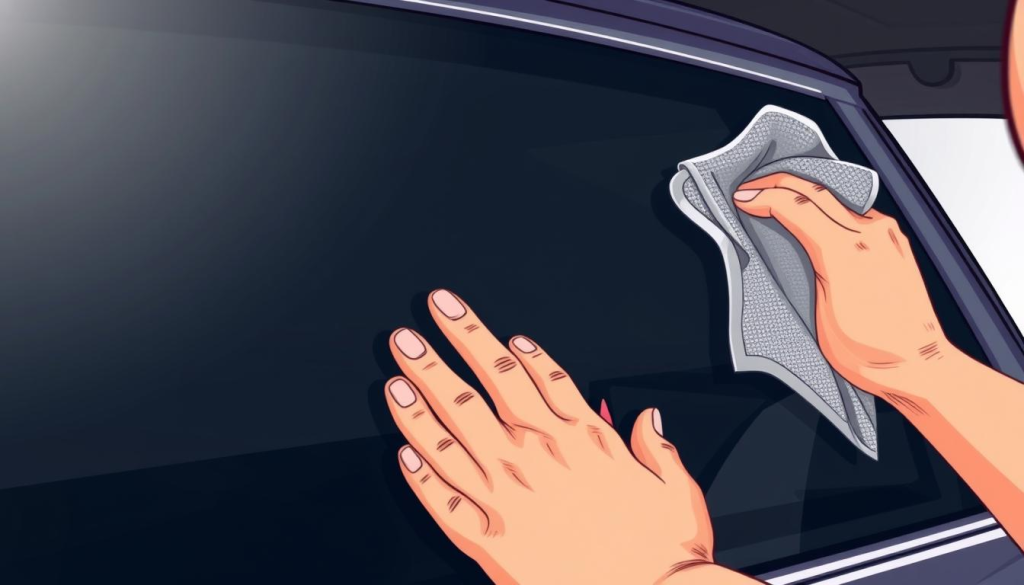
Cleaning your window tint often is key to keeping it looking good. Use a mild soap and a soft cloth to clean it. Don’t use harsh chemicals or rough stuff that can harm the film.
Try to clean it once a week. If you drive in dusty or salty areas, you might need to do it more often.
Addressing Wear and Tear Issues
As time goes by, your window tint might start to show signs of wear. This can include bubbles, peeling, or color changes. If you see these, you should fix them right away.
For small problems, try using a hair dryer to warm the area. This might help the tint stick back together. But for bigger issues, it’s best to get help from a pro.
Longevity Expectations
How long your window tint lasts depends on a few things. These include the film’s quality, how it was installed, and how well you take care of it. A good window tint can last 5 to 10 years if you take care of it.
To make it last longer, don’t use cleaners with ammonia. And never spray a high-pressure washer on the tint. By following these tips, your window tint will stay great for many years.
“A well-maintained window tint is not just about aesthetics; it’s also about ensuring the longevity and effectiveness of the film.”
Common Misconceptions About Window Tinting
Many people don’t know the truth about window tinting. They think it can do things it can’t. This leads to wrong choices.
Myths About Darkness and Effectiveness
Some think darker tints work better. But, it’s not just about how dark it is. UV protection and heat rejection matter more. They depend on the film, not just how dark it looks.
Legal Misunderstandings
People think any tint is okay if it’s not mirrored. But, laws change by state. Knowing the legal VLT percentages for your area is key to avoid trouble.
Installation Misconceptions
Some think tinting windows is easy to do yourself. But, a pro can do it right. This avoids problems that mess up how well it works and looks.
| Myth | Reality |
|---|---|
| Darker tints are always more effective. | Effectiveness depends on UV protection and heat rejection, not just darkness. |
| All non-mirrored tints are legal. | Laws vary by state; check local regulations regarding VLT percentages. |
| Window tinting is a simple DIY task. | Professional installation is recommended for optimal results. |
Why Choose 218 Customs for Your Window Tinting Needs
218 Customs is the best place for top-notch window tinting. They use quality products and have expert installers. They aim for excellence in everything they do.
Premium Products Including SunTek PPF
At 218 Customs, you get the best for your car. They use SunTek PPF, known for lasting long and working well. This means your car’s windows will be tinted with the best materials.
Comprehensive Services: Tinting, Wraps, and Paint Protection
218 Customs does more than just tint windows. They also do vehicle wraps and paint protection. This makes it easy to get everything you need for your car in one place.
Expertise in Lakewood and Denver Metro Area
218 Customs knows the Lakewood and Denver Metro area well. Their team knows what the area needs. They can handle any tinting job with care.
Educational Approach to Customer Service
At 218 Customs, teaching customers is important. They help you understand your options. This way, you can make the best choice for your car.
Choosing 218 Customs means you get more than just a service. You get a partner who cares about doing a great job and making you happy.
Conclusion: Making the Right Window Tinting Decision
Now you know the difference between front and rear window tint. It’s time to choose the best one for you. Think about what you need and want. Look at visibility, legal rules, and privacy.
Front window tint has strict rules and must let you see well. Rear tint is more flexible, letting you pick how dark you want it. Knowing these differences helps you make a good choice for your car.
At 218 Customs, they offer great products like SunTek PPF. They also do tinting, wraps, and paint protection. They know a lot about tinting in Lakewood and Denver. They help you pick the right tint, so you get all the good stuff without breaking the law.