
You might have heard that window tint does more than block UV rays and keep things cool. But does it really stop glass from breaking in accidents or bad weather?
Glass breaking can hurt a lot. Does putting on window tint make your car or building’s glass safer? Let’s look into how window tint can protect us.
Key Takeaways
- Understanding the role of window tint in enhancing glass safety
- Exploring the protective properties of window tint
- Learning how window tint can improve safety in vehicles and buildings
- The potential benefits of window tint in preventing glass shattering
- What to expect from window tint in terms of safety enhancements
Understanding Window Tint and Its Protective Properties
Window tint is key for car safety. It has changed a lot, giving many benefits. One big plus is it keeps glass together if hit, which can lower injury risk.
What Window Tint Is Made Of
Window tint is a thin film for glass. It has layers like scratch protection and tint. Different materials mean different protection levels.
How Window Film Adheres to Glass
How well tint sticks to glass matters a lot. Good tint uses strong glue. This glue keeps the tint on even when glass breaks.
The Evolution of Window Tinting Technology
Window tint tech has grown a lot. Now, tints are more durable, block UV rays, and safer. Shatter-resistant tints keep glass together when broken.
Knowing about window tint helps us see its safety role. It’s not just for looks. It also cuts down on heat and glare. There are many types to choose from.
Can Window Tint Help Prevent Glass Shattering?
Many people wonder if window tint can stop glass from shattering. The answer depends on the tint’s properties and how it works with glass.
The Science Behind Tint’s Reinforcing Effect
Window tint helps keep glass together when hit. It does this by sticking to the glass, keeping it in one piece. Safety experts say, “Window film can greatly lower injury risk by stopping glass shards from flying off.”
“The use of window tint can be a crucial factor in maintaining the integrity of glass during an impact, thus enhancing overall safety.”
Window tint’s strength comes from its materials. These materials block UV rays and are very strong. This strength helps the tint protect the glass from damage.
Real-World Examples of Tint Preventing Shatter Damage
Window tint has helped a lot in preventing glass damage. For example, in small crashes, it keeps the glass from breaking into sharp pieces. This keeps people inside safe and also protects others outside.
- In minor accidents, tinted windows often stay whole, keeping people safe from flying glass.
- In bad weather like hail storms, tint helps keep the glass from breaking, keeping everyone inside safe.
Limitations of Window Tint Protection
Window tint is very helpful, but it’s not perfect. Big crashes or extreme weather can still hurt the glass, even with tint. So, we must know what tint can really do.
To get the most from window tint, pick high-quality materials and get it installed by pros. This way, you can make your car safer and keep the glass from breaking.
Types of Window Tint and Their Varying Levels of Protection
Choosing the right window tint is key. Each type offers different levels of protection.
Dyed Window Films and Basic Protection
Dyed window films are the simplest. They absorb heat and cut glare. They also protect against UV rays and make your car look better. But, they don’t stop glass from shattering well.
Still, they offer basic protection and are easy on your wallet.
Metalized Window Tints for Enhanced Strength
Metalized tints reflect heat and UV rays. They are better than dyed films at keeping cool. They also have enhanced strength against small impacts.
Ceramic Window Films and Superior Impact Resistance
Ceramic films reject heat and UV rays well. They are also very durable. They offer superior impact resistance and are great for those who want the best.
Security and Safety Films for Shatter Prevention
Security films aim to stop glass from shattering. They are thick and strong. They are perfect for boosting your car’s security.
SunTek’s Advanced Safety Films
SunTek’s films are top-notch for safety. They are made to stop glass from breaking. With SunTek, you get enhanced safety and peace of mind.
Knowing about different window tints helps you choose the right one. Whether you want basic protection or top-notch safety, there’s a tint for you.
Safety Benefits of Window Tinting Beyond Shatter Prevention
Window tinting does more than stop glass from shattering. It also makes driving safer in many ways. It’s not just about looks or privacy; its safety features are key.
UV Ray Protection for Passengers and Interior
Window tinting blocks harmful UV rays. This is good for your skin and helps prevent skin cancer. It keeps up to 99% of UV rays out, protecting everyone inside.
Reduced Risk of Flying Glass in Accidents
If you’re in an accident, tinted windows can keep glass from flying everywhere. This is very important in rollover accidents or when hit by debris.
Enhanced Privacy and Theft Prevention
It also makes it harder for thieves to see inside your car. This can stop theft and vandalism, making your car safer.
Heat Reduction and Comfort During Emergencies
In emergencies, tinted windows keep your car cooler. This is great in hot places or summer. It makes your car more comfortable and safer from heat.
| Safety Benefit | Description |
|---|---|
| UV Ray Protection | Blocks up to 99% of harmful UV rays, protecting passengers and interior |
| Reduced Flying Glass | Holds glass together in accidents, reducing injury risk |
| Enhanced Privacy | Makes it harder for thieves to see into the vehicle, deterring theft |
| Heat Reduction | Keeps vehicle interior cooler during emergencies or breakdowns |
Window tinting does more than just prevent shattering. It makes your car safer and more comfortable in many ways.
How Window Tint Performs in Different Impact Scenarios
Vehicle safety is very important. Window tinting is a popular choice for cars. It looks good and might keep you safe too. We’ll see how it does in different crash situations.
Low-Impact Collisions and Road Debris
When cars hit each other lightly or get hit by debris, tint helps. It makes the glass stronger. This means the glass is less likely to break.
- Reduces glass shattering
- Minimizes injury from sharp glass fragments
- Helps maintain window integrity
High-Impact Accidents and Rollovers
In big crashes, tint can be very helpful. It’s not a replacement for safety features, but it helps. Choose a tint that’s safe and strong.
Weather-Related Incidents (Hail, Falling Branches)
Hail or falling branches can hurt your car’s windows. Tint adds extra protection. It can stop the glass from breaking in hail storms.
“The use of window film can significantly reduce the risk of damage from hail and other weather-related incidents.” –
Attempted Break-ins and Vandalism
When someone tries to break in, tint can stop them. It makes it hard to break the glass. This keeps your car and stuff inside safe.
Choose a good tint and get it installed right. This way, you make your car safer. You and your family will be more protected in many situations.
Comparing Window Tint to Other Glass Protection Methods
It’s important to know the differences between window tint and other ways to protect glass. This helps you choose the best way to keep your car’s windows safe.
Tempered Glass vs. Tinted Glass
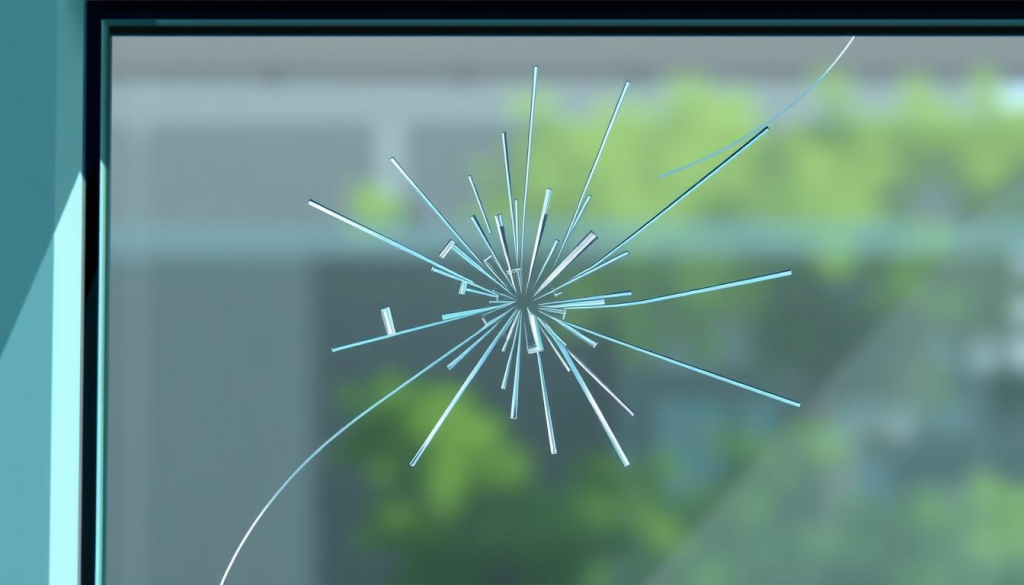
Tempered glass is made stronger and more durable. But, it can still break into sharp pieces if hit hard. Window tint, on the other hand, helps keep the glass together if it breaks. This makes it safer from sharp edges.
Laminated Glass and How Tint Complements It
Laminated glass has layers that keep it together even when broken. Adding window tint to laminated glass adds more protection and blocks UV rays. This makes the glass safer and more durable.
Paint Protection Film vs. Window Tint
Paint Protection Film (PPF) protects your car’s paint. Window tint is for the glass. PPF can handle small impacts, but window tint stops glass from shattering. You can use both for extra protection.
Combining Protection Methods for Maximum Safety
Using different protection methods together is a good idea. For example, safety window tinting on laminated or tempered glass adds extra layers of protection. This is great for areas with a lot of danger or for drivers who face tough road conditions often.
Knowing what each protection method does helps you choose the best for your car’s windows. This way, you can make your car safer and more protected.
The Professional Installation Process for Safety-Focused Window Tint
Getting safety-focused window tint installed is a careful process. It makes sure your car’s windows are safe. This includes many steps, from talking to the installer to taking care of the tint after it’s on.
Initial Consultation and Film Selection
The first step is talking to a pro. They check your car and pick the best tint for you. You might get a simple tint or a ceramic or security film for extra safety.
Preparation and Cleaning Techniques
Before putting on the tint, the glass must be clean. This makes sure the tint sticks well. Cleaners use special solutions to get rid of dirt and dust.
Application Methods for Maximum Protection
Applying the tint is where skill matters most. Experts use special methods to make sure it’s smooth and bubble-free. This is how you get the best shatter resistance and safety.
Curing Time and Post-Installation Care
After the tint goes on, it needs time to stick. You also need to take care of it after. This means not using harsh cleaners or rolling down windows too soon.
Common Installation Mistakes to Avoid
Even pros can make mistakes. Things like dirty glass, wrong film placement, or bad tools can happen. Knowing these can help your tint work right and keep you safe.
“A well-installed window tint can significantly enhance your vehicle’s safety features, providing not just UV protection but also added strength against potential impacts.”
Understanding the tint installation process helps you choose better for your car’s safety and strength.
Legal Considerations for Window Tinting in the United States
When you think about tinting your car windows, you need to know the law. Laws about tinting vary a lot from state to state. It’s important to know what’s allowed in your area.
State-by-State Tinting Regulations
Every state has its own rules for tinting. Some let you have dark tint on back windows but not on front or sides. Make sure to check your state’s laws to avoid trouble.
VLT Percentages Explained
VLT stands for Visible Light Transmission. It shows how much light can get through the tint. A higher number means the tint is lighter, and a lower number means it’s darker.
For example, California lets you have 70% VLT on front side windows. But other states might let you have darker tints. Always check the VLT limits for your car to make sure you’re okay.
Medical Exemptions for Darker Tints
Some people can get special permission for darker tints. This is for people who really need to block sunlight because of health reasons. To get this permission, you’ll need a doctor’s note.
“In certain cases, individuals with medical conditions may be eligible for exemptions to window tinting laws, allowing for darker tints to protect their health.”
Documentation to Keep in Your Vehicle
If you have a medical exemption or tinted windows, keep important papers in your car. This includes tinting certificates and medical forms. Having these papers ready can help during police stops.
Always check with your state’s Department of Motor Vehicles (DMV) for the most current regulations and requirements.
Why Choose 218 Customs for Your Window Tinting Needs
218 Customs is a top choice for window tinting. They offer great quality and service. They are known in Lakewood for making cars look and feel better.
Premium Products Including SunTek PPF
218 Customs uses the best products for your car. They have SunTek PPF, which is strong and safe. It helps keep glass from breaking.
Studies show that good window films can lower injury risks. Experts say, “The right window film can be the difference between a minor accident and a serious injury.”
“The right window film can be the difference between a minor accident and a serious injury.” – Industry Expert
Comprehensive Services: Tinting, Wraps, and Paint Protection
218 Customs does more than tint windows. They also do wraps and paint protection. They are your one-stop shop for car care.
| Service | Description | Benefits |
|---|---|---|
| Window Tinting | Application of premium window films | UV protection, heat reduction, enhanced safety |
| Vehicle Wraps | Custom wrapping for vehicles | Personalization, advertising, protection of original paint |
| Paint Protection | Application of protective film on paint | Protection against scratches, UV damage, and contaminants |
Expertise and Customer Satisfaction in Lakewood
The team at 218 Customs is very skilled. They work hard to make sure you’re happy. Choosing them means you get top-notch car care.
Visit 218 Customs to learn more. They can help protect your car’s glass with their tinting solutions.
Educational Approach and Commitment to Quality
218 Customs is known for their knowledge and quality. They teach customers about tinting and its benefits. They want you to know what you’re getting.
Choosing 218 Customs means you’re getting more than a service. You’re making your car safer and looking better. They use the best products and care about their customers.
Conclusion: Investing in Safety Through Quality Window Tinting
Window tinting is very important for car safety. It helps prevent glass from breaking into sharp pieces. This makes your car safer.
Shatter-resistant films keep glass together when hit. This makes your car a safer place. It’s good for your family, your car’s security, and avoiding damage from road debris.
When picking a tint, think about what you need. Ceramic or security films are great for impact resistance. Make sure it’s installed right by a pro.
Choose a trusted service like 218 Customs for your tinting needs. They offer top-notch products and services. They can make your car safe and stylish.