
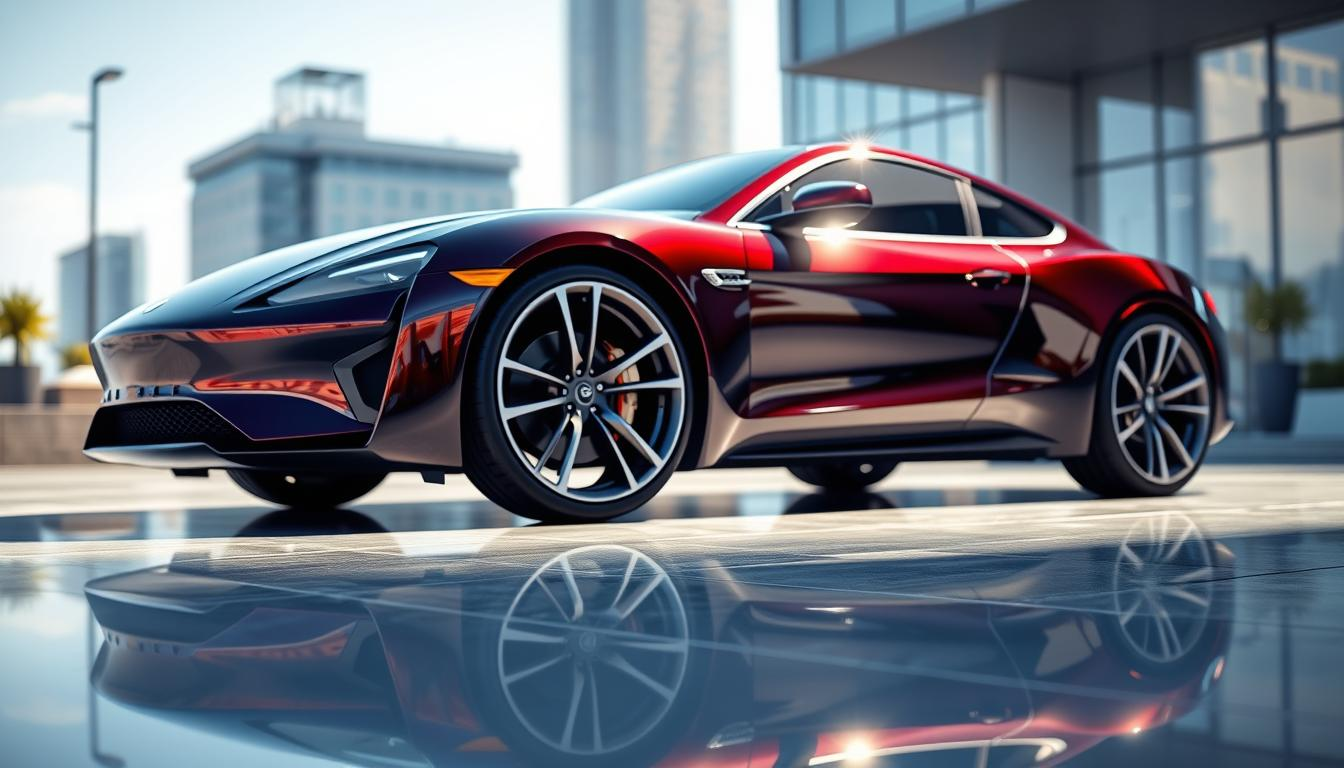
If you own a car, you know how hard it is to keep it looking good. Ceramic coating for cars is a way to keep your paint safe. It also helps your car look great.
Ceramic coating is a special liquid that goes on your car’s outside. It keeps your car safe from harm. Knowing what ceramic coating meaning is helps you protect your car’s paint.
Key Takeaways
- Ceramic coating is a liquid polymer that protects your vehicle’s paint.
- It acts as a barrier against external damage, including harsh weather and contaminants.
- Applying ceramic coating can help maintain your vehicle’s appearance.
- Ceramic coating is a professional service that can be applied to your vehicle.
- It provides long-lasting protection for your vehicle’s paint.
The Ceramic Coating Meaning: What It Actually Is
Are you thinking about protecting your car’s paint? You might have heard of “ceramic coating.” Ceramic coating is a liquid polymer that adds a protective layer to your car’s paint.
The Definition and Origin of Ceramic Coatings
Ceramic coating is a special liquid that mixes with your car’s paint. It creates a water-repelling layer. This layer is not just a shield; it’s a strong bond that makes your paint last longer and look better.
This technology comes from nanotechnology and material science. It lets us make coatings that are very strong and protective.
The main parts of ceramic coatings are silicon dioxide (SiO2) nanoparticles. These tiny particles help protect your car. When applied right, they stick to the paint, making a layer that keeps water away, stops dirt, and guards against UV rays.
How Ceramic Coatings Revolutionized Paint Protection
Ceramic coatings have changed how we protect our car’s paint. They last longer than wax or sealants and offer better protection. The ceramic coating brings many benefits, like:
- Enhanced gloss and color depth
- Hydrophobic properties for easier cleaning
- UV protection to prevent paint fading
- Chemical resistance to etching and staining
Getting a professional to apply ceramic coating means you get these benefits for a long time. It’s a smart choice for your car.
The Science Behind Ceramic Coating Technology
Learning about ceramic coating tech helps you protect your car better. This tech has grown a lot. It now offers strong paint protection.
Silicon Dioxide (SiO2) and Its Protective Properties
Ceramic coatings use Silicon Dioxide (SiO2). It’s very hard and lasts long. SiO2 creates a strong shield on your car’s paint.
This shield keeps out dirt and small scratches. It makes your car look great for a long time.
Nanotechnology in Modern Ceramic Formulations
Nanotechnology is key in today’s ceramic coatings. It makes SiO2 particles smaller. This creates a tighter, better shield.
This shield keeps water and dirt away. It makes caring for your car easier.
How Ceramic Particles Create a Protective Matrix
Ceramic particles form a strong shield on your car’s paint. They bond with the paint in a special way. This makes a lasting shield.
This shield not only protects but also makes your car’s paint shine. It makes colors look deeper.
| Key Component | Function | Benefit |
|---|---|---|
| Silicon Dioxide (SiO2) | Forms a hard, protective barrier | Protects paint from contaminants and minor scratches |
| Nanotechnology | Enhances particle uniformity and density | Improves water and contaminant repellency |
| Ceramic Particles | Creates a protective matrix | Provides semi-permanent protection and enhances gloss |
Knowing how ceramic coatings work shows how advanced they are. They use SiO2, nanotechnology, and a protective matrix. This makes them a top choice for car owners who want lasting protection.
How Ceramic Coating Bonds with Your Vehicle’s Paint
Applying a ceramic coating to your car is more than just adding a layer. It’s a chemical bond that forms with your car’s paint. This bond makes ceramic coatings different from other protection methods.
The Chemical Bonding Process Explained
The application of ceramic coating involves a chemical reaction. This reaction happens between the coating’s silicon dioxide (SiO2) particles and your car’s paint. It creates a strong, durable bond that protects your car’s paint for a long time. This protective layer shields your car’s paint from environmental contaminants and damage.
Creating a Semi-Permanent Protective Layer
This chemical bonding process makes a semi-permanent protective layer. This layer is both hydrophobic and resistant to UV damage. It protects your car’s paint and makes maintenance easier. Unlike traditional waxes, ceramic coatings offer a more durable barrier against the elements.
Why Professional Application Ensures Proper Bonding
While DIY kits are available, getting a professional to apply the coating is best. Professionals have the right training and tools. They prepare the surface correctly and apply the coating under the best conditions. This ensures the best results and makes your investment worth it.
Choosing a professional for your ceramic coating means your car will stay looking great for years.
The Comprehensive Benefits of Ceramic Coating Protection
Ceramic coating is more than just a protective layer. It makes your vehicle’s gloss, durability, and look better. It protects your vehicle’s paint and makes it look great. This technology has changed how we take care of our cars.
Enhanced Gloss and Color Depth
Ceramic coating makes your vehicle’s gloss and color pop. The nanotechnology in it gives a deep, rich finish. This makes your car look newer for longer, says a top detailer.
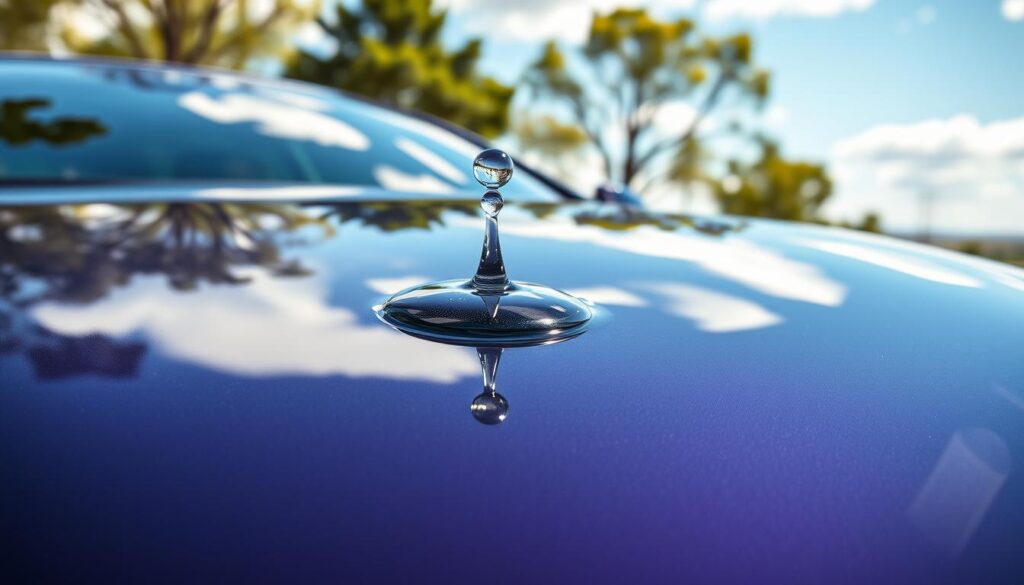
Hydrophobic Properties and Water Beading Effects
Ceramic coatings keep water from sticking to your car. This makes cleaning easier and stops water spots. The hydrophobic effect also keeps dirt and grime off longer.
UV Protection and UV Oxidation Prevention
UV rays can harm your car’s paint, causing fading and oxidation. Ceramic coatings protect against these rays. This keeps your car’s paint looking good and prevents damage.
Chemical Stain and Etching Resistance
Ceramic coatings resist stains and etching from chemicals. This means bird droppings, bug splatters, and harsh chemicals won’t harm your paint. A detailer says, “Ceramic coating gives you time to clean without risking your paint.”
Reduced Dirt Adhesion and Easier Cleaning
The smooth surface of ceramic coating makes cleaning easier. This saves time and reduces the chance of scratching. Keeping your car clean is now simpler.
In conclusion, ceramic coating is a great choice for car owners. It enhances gloss, provides hydrophobic properties, protects against UV damage, resists stains, and makes cleaning easier. Ceramic coating is a complete solution for protecting and maintaining your vehicle.
The Professional Ceramic Coating Application Process
The process of applying ceramic coating to your car’s paint is detailed. It’s not just about putting on a layer. It’s a careful process with many steps to protect your car well.
Professional Paint Correction and Surface Preparation
Your car’s paint needs to be ready before the coating. This means fixing any scratches or swirl marks. Getting the surface right is key for the coating to stick well.
A top detailer says, “A clean surface is essential for good coating. It’s about getting a perfect finish that lasts.”
“The quality of the ceramic coating application is directly related to the quality of the surface preparation.”
Controlled Environment Application Requirements
Applying ceramic coating needs a clean, dust-free space. It should be away from sunlight. This ensures the coating goes on right and cures well.
Multi-Stage Application Techniques
Putting on ceramic coating takes several steps. First, a base layer is applied. Then, more layers are added, letting each dry before the next. This multi-step method makes the coating last longer and work better.
| Application Stage | Description | Benefits |
|---|---|---|
| Base Layer | First layer of ceramic coating | Starts the foundation for more layers |
| Additional Layers | More layers of ceramic coating | Makes it last longer and repels water better |
The Critical Curing and Hardening Process
After applying, the coating needs time to dry and harden. This is crucial for it to work fully. Proper drying is key for the coating to last and protect well.
By following the professional ceramic coating process, your car’s paint gets top protection. This keeps your car looking great and safe for a long time.
Different Grades of Professional Ceramic Coatings
Not all ceramic coatings for cars are the same. There are many products out there. They range from easy-to-buy ones to top-quality ones.
Consumer-Grade vs. Professional-Grade Formulations
Consumer-grade coatings are easy to find online and in stores. They do protect your car’s paint but not as well as the top ones. Professional coatings are used by experts and last longer than wax.
Varying SiO2 Percentages and What They Mean
The SiO2 (silicon dioxide) in coatings shows how good they are. More SiO2 means a stronger coating. Top coatings have more SiO2 to fight off dirt and UV rays better.
- Lower SiO2 percentages (around 5-10%) may offer basic protection but lack the durability of higher-grade coatings.
- Mid-range SiO2 percentages (around 15-20%) provide a balance between protection and cost.
- High SiO2 percentages (above 25%) offer the highest level of protection and are typically found in top-tier professional-grade coatings.
Specialized Coatings for Different Vehicle Types
Every car is different. Some need coatings that make them shine, while others need tough coatings for rough roads. Knowing what your car needs is key.
Choosing the right ceramic coating keeps your car looking great for a long time.
Ceramic Coating vs. Traditional Paint Protection Methods
Protecting your car’s paint has many options. But how does ceramic coating compare to old methods? Knowing the differences helps you choose the best for your car.
Ceramic Coating vs. Carnauba Wax
Carnauba wax is a common choice for paint protection. But it’s not as good as ceramic coating. Carnauba wax makes your car shiny but needs to be reapplied often. Ceramic coating lasts longer and needs less care.
Ceramic Coating vs. Synthetic Sealants
Synthetic sealants last longer than carnauba wax. But they can’t beat ceramic coating’s superior durability and water-repelling power. Synthetic sealants fade over time, while ceramic coating stays strong.
Ceramic Coating vs. Paint Protection Film
Paint Protection Film (PPF) shields paint from damage. It’s great for areas that get hit a lot. But ceramic coating protects more areas better. PPF works best with ceramic coating for full protection. For more info, visit Auto Salon Pro.
When to Consider Combining Protection Methods
At times, mixing protection methods is smart. Use ceramic coating on most of the car and PPF on high-risk spots. Talking to a detailer helps pick the right mix for your car.
Proper Maintenance of Your Professionally Applied Ceramic Coating
Keeping your car’s ceramic coating in good shape is very important. It makes your car look great and keeps it safe from the outside world.
Recommended Washing Techniques
Washing your car often is key. Use a gentle car shampoo that’s pH-balanced. Stay away from harsh chemicals and rough stuff that can hurt the coating. A two-bucket method helps avoid scratches.
Professional Maintenance Services
Regular washing is good, but pro services add extra protection. Experts can check for damage and add more coats if needed.
Products to Use and Avoid
Choosing the right products is important. Don’t use wax or oils that can harm the coating. Instead, pick products made for ceramic-coated cars.
| Product Type | Recommended | Avoid |
|---|---|---|
| Shampoo | pH-balanced car shampoo | Harsh or abrasive shampoos |
| Wax/Coatings | Ceramic coating boosters | Waxes containing oils or silicones |
| Drying Tools | Microfiber towels | Abrasive cloths or sponges |
Signs Your Coating May Need Professional Inspection
If water doesn’t bead up anymore, or if the coating looks worn, get it checked. Early checks help keep your coating working well.
“Regular maintenance is key to extending the life of your ceramic coating. By following the right washing techniques and using appropriate products, you can keep your vehicle’s coating in top condition.”
By following these tips, your ceramic coating will stay strong and protect your car’s paint for a long time.
Common Misconceptions About Ceramic Coatings
Ceramic coatings are not as simple as many think. They have real benefits but also limits. Many car owners want to use them, but they have wrong ideas.
“Ceramic Coating Makes Your Car Scratch-Proof”
Many think ceramic coatings make cars scratch-proof. But, they are not perfect. They protect against small scratches but not big ones.
“Ceramic Coated Vehicles Never Need Washing”
Some think cars with ceramic coating never need washing. That’s not true. They make cleaning easier, but washing is still needed.
“All Ceramic Coatings Perform Equally”
Not all ceramic coatings are the same. Their quality depends on the ingredients and how they are applied. Professional coatings are better than DIY ones.
“Once Applied, Ceramic Coating Lasts Forever”
Many believe ceramic coatings last forever. But, they don’t. How long they last depends on many things.
| Misconception | Reality |
|---|---|
| Ceramic coating makes your car scratch-proof | Offers protection against minor scratches but not deep ones |
| Ceramic coated vehicles never need washing | Regular washing is still necessary for maintenance |
| All ceramic coatings perform equally | Performance varies based on formulation and application |
| Ceramic coating lasts forever | Lifespan is limited and depends on several factors |
Knowing the truth about ceramic coatings helps you decide wisely. By clearing up these myths, you’ll see their real value for your car.
Conclusion: Making an Informed Decision About Ceramic Coating
Now you know about ceramic coating for cars. It’s a strong way to protect your car’s paint. By learning about ceramic coating’s pros and cons, you can decide if it’s good for your car.
Ceramic coating keeps your car safe from dirt, UV rays, and small scratches. It keeps your car looking new and might even make it worth more. But, it needs to be reapplied sometimes. Still, many car owners think it’s worth it.
Think about the good things ceramic coating does. It makes your car shiny, water-repellent, and easy to clean. But, it also costs money and might have some downsides. If you choose a top-quality ceramic coating and take good care of it, your car will look amazing for a long time.