
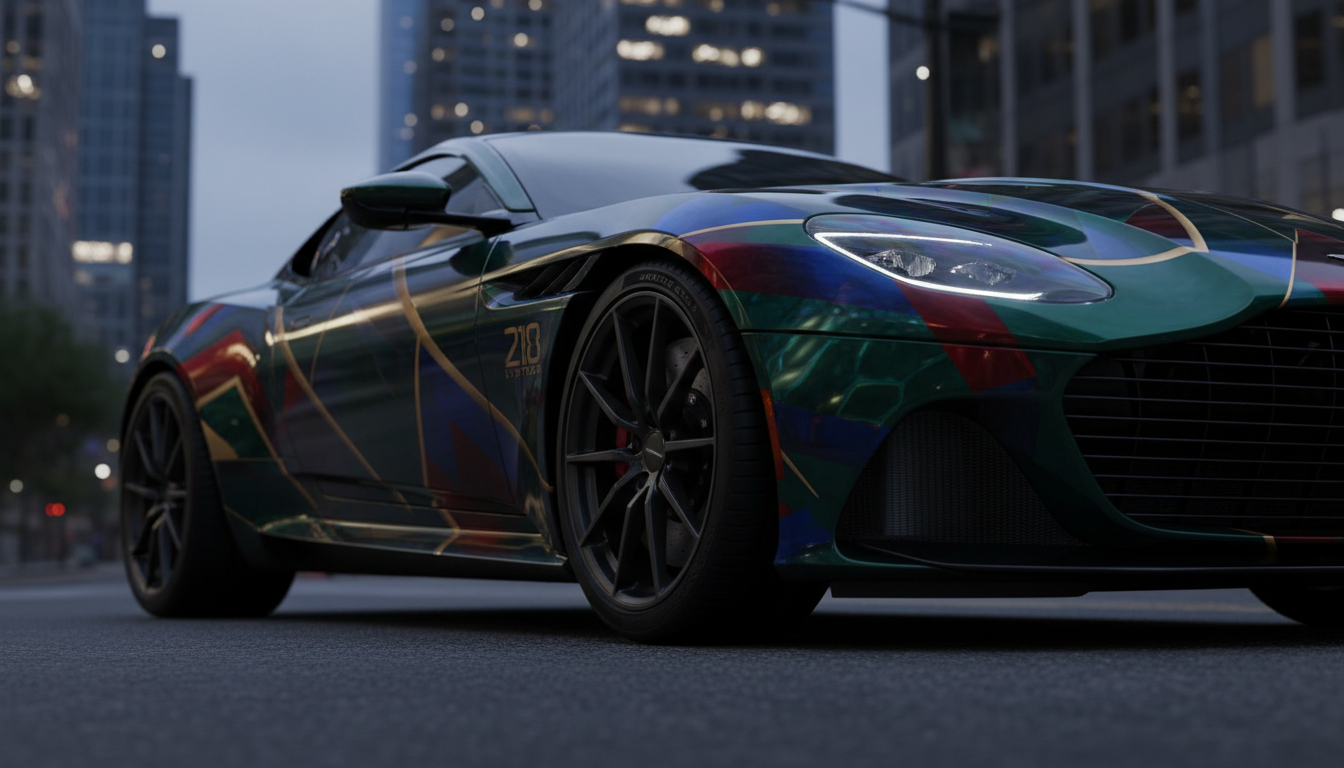
Vehicle wraps are a cool way to make your car stand out. But, it’s important to know how long they last.
The car wrap durability can last from 3 to 7 years. This depends on the wrap’s quality, how it’s put on, and the weather. If you take good care of it, it can last longer. But, bad weather can make it wear out faster.
It’s key to know how long your car wrap will last. This helps you take better care of it and know when to get a new one.
Key Takeaways
- Average car wrap lifespan is between 3 to 7 years.
- Material quality affects car wrap durability.
- Proper installation is crucial for longevity.
- Environmental conditions impact car wrap lifespan.
- Regular maintenance can extend the life of a car wrap.
Understanding Car Wraps: Materials and Types
It’s important to know about car wrap materials. Car wraps let you customize your vehicle with many designs. Knowing the materials used is key to a good choice.
Vinyl Wrap Materials
Vinyl is the main material for car wraps. It comes in glossy, matte, and satin finishes. Vinyl wraps are durable and easy to put on. They are made from cast and calendered vinyl.
Cast vs. Calendered Vinyl
Cast vinyl is more durable and bends well. It’s great for complex shapes and lasts long. Cast vinyl doesn’t shrink or lose shape, making it a top choice.
Specialty Wraps: Chrome, Matte, and Color-Shifting
There are special wraps too. Chrome wraps look like mirrors. Matte wraps are flat and don’t reflect. Color-shifting wraps change color with the view angle, adding a cool effect.
Choosing a car wrap means picking the right material. Cast vinyl is durable and bends well. But, special wraps can give a unique look worth the cost.
For a wrap to last, install it right and take care of it. Knowing the material is the first step to a good choice.
How Long Does a Car Wrap Last? The Honest Answer
A car wrap’s life depends on its material, how well it’s installed, and the environment. Wraps can last from three to seven years or more. This varies based on these factors.
Average Lifespan by Material Type
Materials affect how long a wrap lasts. Cast vinyl can last up to 7 years or more. It’s durable and doesn’t fade easily. Calendered vinyl lasts between 3 to 5 years.
| Material Type | Average Lifespan |
|---|---|
| Cast Vinyl | 5-7 years |
| Calendered Vinyl | 3-5 years |
| Specialty Vinyl | 3-5 years |
Professional vs. DIY Installation Longevity
How a wrap is installed greatly affects its life. Professional wraps last longer because of the installer’s skill and tools.
Professional Installation can last up to 7 years or more.
DIY Installation may last between 3 to 5 years. This depends on the person’s skill.
Warranty Considerations
Warranties from makers show how long a wrap is expected to last. A longer warranty means a better product.
Quality Matters: Premium vs. Budget Wraps
Car wrap quality changes a lot between premium and budget. This affects how they look and last. Knowing these differences helps you choose wisely.
Material Thickness and Durability
Premium car wraps have thicker, stronger materials. This makes them less likely to tear or get holes. Budget wraps are thinner and can get damaged easily.
| Wrap Type | Material Thickness | Durability |
|---|---|---|
| Premium | 3-4 mils | High |
| Budget | 2-3 mils | Moderate |
Adhesive Quality Differences
The glue on car wraps is key to how long they last. Premium wraps have strong glue that sticks well. Budget wraps have weaker glue that doesn’t last as long.
“The quality of the adhesive is just as important as the vinyl itself. A good adhesive ensures that the wrap stays on for its intended lifespan.”
Brand Reputation and Reliability
Choosing a trusted brand is important for a good car wrap. Famous brands spend on research and use better materials. They also offer longer warranties. Less known brands might not be as reliable.
Investing in a premium car wrap might cost more at first. But, it lasts longer and looks better. Knowing the difference helps you pick what’s best for you and your budget.
Climate and Environmental Factors Affecting Wrap Durability
Knowing how climate affects car wraps is key to keeping them looking good. Things like sun, heat, humidity, and salt can all play a part. They can make a car wrap last longer or shorter.
Sun Exposure and UV Damage
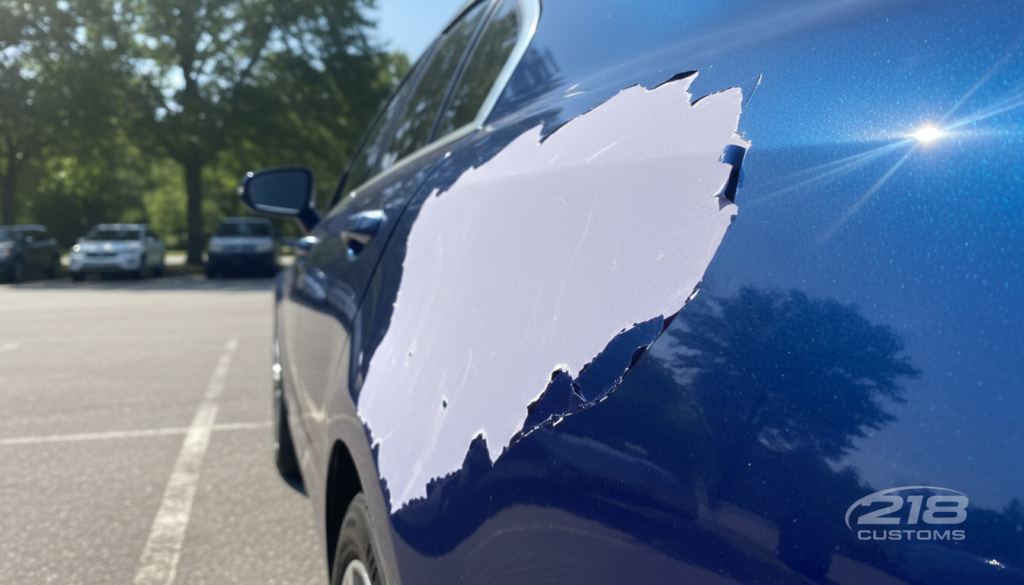
Sunlight is a big problem for car wraps. UV rays can make the vinyl fade, get hard, and crack. To fight this, use a UV-resistant laminate or park in the shade.
- Using a UV-resistant laminate
- Parking in shaded areas
- Avoiding prolonged direct sun exposure
Extreme Temperature Effects
Very hot or cold weather can hurt a car wrap. Heat can make the glue soft, causing edge lifting. Cold can make the vinyl hard and breakable.
To deal with these issues:
- Make sure the wrap is installed right to avoid air bubbles that expand in heat.
- Don’t let the wrap get too hot or cold.
- Choose a good vinyl that can handle different temperatures.
Humidity and Moisture Concerns
Too much humidity and moisture can harm the glue and cause mold or mildew. Clean the car often and make sure it’s dry before putting on the wrap.
| Environmental Factor | Impact on Car Wrap | Mitigation Strategy |
|---|---|---|
| High Humidity | Adhesive degradation, mold/mildew growth | Regular cleaning, dry surface installation |
| Extreme Heat | Adhesive softening, edge lifting | UV-resistant laminate, shaded parking |
Salt Air and Road Salt Impact
Salt in the air and on roads can damage the car’s surface under the wrap. Wash the car often and use a protective coat to keep the wrap and paint safe.
By knowing and fixing these problems, you can make your car wrap last longer and look better.
Installation Quality: Why It Matters for Longevity
The quality of installation is very important for a car wrap’s life. A well-installed wrap looks great and lasts longer. This means you get more value for your money.
Surface Preparation Importance
Cleaning the car’s surface well is key for a good wrap. You need to remove dirt, wax, and other stuff that can mess with the wrap’s stickiness. A clean surface helps the wrap stick better, so it doesn’t peel off easily.
Proper Application Techniques
Using the right way to apply the wrap is important for a smooth look. This means no air bubbles and the wrap is straight. Learning how to install vinyl wraps can really help it last longer.
Common Installation Errors That Reduce Lifespan
Some common mistakes include not cleaning the surface enough, applying the wrap wrong, and using bad materials. These errors can cause bubbling, peeling, and fading. Here’s a table showing these mistakes and their effects.
| Installation Error | Consequence |
|---|---|
| Insufficient surface cleaning | Poor adhesion, peeling |
| Incorrect application technique | Bubbling, wrinkling |
| Low-quality materials | Fading, cracking |
Choosing a Qualified Installer
To avoid these mistakes, pick a skilled installer for your car wrap. A pro knows how to do it right. For more on why professional installation is good, check out 218customs.com.
Maintenance Practices That Extend Your Car Wrap’s Life
Keeping your car wrap in good shape makes it look better and last longer. It’s important to take care of it regularly. This way, you can make your car wrap last a lot longer.
Proper Washing Techniques
Washing your car wrap often is key to keep it clean. Use a mild soap and avoid harsh chemicals. A soft, microfiber cloth or sponge is best for cleaning.
Products to Use and Avoid
Use cleaners made for vinyl wraps. Don’t use household cleaners, wax, or polish. They can harm your wrap. Instead, use pH-balanced car wash soaps and drying aids.
Seasonal Maintenance Tips
Each season has its own challenges for your car wrap. In winter, don’t use ice scrapers or hot water. In summer, park in the shade to avoid UV damage. Always check your wrap for damage or wear.
Garage Storage Benefits
Storing your car in a garage helps a lot. It keeps your wrap safe from sunlight, extreme temperatures, and debris. This can help it last longer.
Signs Your Car Wrap Is Reaching the End Of Its Life
As your car wrap gets older, it’s key to know when it’s almost done. Many things can affect how long a car wrap lasts. These include the quality of the material, how well it was put on, and the weather.
Visual Indicators of Aging
One clear sign is when your car wrap starts to fading, cracking, and discoloring. This can happen because of sunlight, weather, and daily use. Checking it often can spot these problems early.
Texture Changes to Watch For
Another sign is when the wrap’s texture changes. It might get sticky, rough, or brittle as it ages. This can happen because the vinyl or adhesive is breaking down.
Edge Lifting and Peeling
Edge lifting and peeling are common signs too. They can be caused by bad installation, adhesive failure, or extreme temperatures. If not fixed, they can cause more harm.
Color Fading Patterns
Color fading is also a sign of aging. Some colors fade faster than others. Knowing this can help you guess when you might need a new wrap.
| Signs of Aging | Causes | Effects |
|---|---|---|
| Fading, Cracking | Sunlight, Weather | Discoloration, Brittleness |
| Texture Changes | Material Degradation | Sticky, Rough, or Brittle Surface |
| Edge Lifting, Peeling | Poor Installation, Adhesive Failure | Further Damage, Wrap Failure |
Protecting Your Original Paint While Extending Wrap Life
When you think about a car wrap, remember your car’s paint. A wrap can keep your paint looking new. But, it must be done right.
Paint Condition Before Wrapping
Check your car’s paint before you wrap it. Any damage will stay hidden under the wrap. Fix these problems first.
Protective Measures During Installation
Use special care when wrapping your car. Choose high-quality wraps and make sure the installer knows what they’re doing.
Long-term Paint Preservation Benefits
Wrapping your car can protect its paint for a long time. It also helps keep your car’s value up.
Commercial Fleet Wraps: Lifespan Expectations
Understanding how long commercial fleet wraps last is key for businesses. These wraps face a lot of wear and tear from driving a lot and different weather. This affects how long they last.
High-Mileage Considerations
Trucks that drive a lot need more checks and care to keep the wrap looking good. Looking for problems early can help a lot.
Partial vs. Full Commercial Wraps
Partial wraps cover just parts of a vehicle. Full wraps cover the whole thing. Full wraps show off your brand more but might get damaged easier.
| Wrap Type | Lifespan | Maintenance Needs |
|---|---|---|
| Partial Wrap | 3-5 years | Moderate |
| Full Wrap | 5-7 years | High |
Maintenance Schedules for Businesses
Keeping fleet wraps clean and checking them often is very important. Businesses should make a plan to keep their wraps looking great.
The Cost-Benefit Analysis of Car Wraps Over Time
When thinking about car wraps, don’t just look at the cost. It’s important to do a cost-benefit analysis. This helps you understand if it’s worth it in the long run.
Initial Investment vs. Longevity
The cost of a car wrap can change based on several things. These include the vehicle’s size, the vinyl type, and design complexity. Even though it might seem expensive at first, think about how long it lasts.
Good car wraps can last 5 to 7 years or more. They can even last longer than a paint job if taken care of.
Long-term savings come from not needing to fix paint often. You also avoid expensive paint jobs or replacements. Plus, a well-kept wrap protects the paint underneath, keeping the car’s value up.
Comparing to Paint Jobs
Car wraps and paint jobs have different costs and benefits. Paint jobs can be pricey, and they fade and get damaged easily. Wraps, on the other hand, can be taken off without harming the paint. This keeps the car’s value when you sell it.
| Aspect | Car Wrap | Paint Job |
|---|---|---|
| Initial Cost | $2,000 – $5,000 | $3,000 – $10,000+ |
| Durability | 5-7 years | 5-10 years |
| Removability | Yes, without damage | No, permanent |
| Customization | High | High |
Resale Value Considerations
A car wrap can help keep your car’s value up. It protects the paint, making the car look better to buyers. Also, you can remove the wrap to show off the original paint, which can be a big plus.
When Rewrapping Makes Financial Sense
Rewrapping your car can be smart in some cases. If your wrap is almost gone and your car is still in good shape, rewrapping is cheaper than a new paint job. It keeps your car looking great without the high cost.
Removing a Car Wrap: Timing and Techniques
Knowing when and how to remove a car wrap is key. It keeps your car’s paint looking good. The right steps are needed to avoid paint damage.
Optimal Removal Timeframes
The best time to remove a car wrap depends on its condition and the weather. A good wrap can last three to five years. But, you should remove it when you see signs like fading or peeling.
Removing the wrap before it gets too bad is important, as it makes the job easier and safer for your paint.
Professional vs. DIY Removal
Some people try to remove the wrap themselves to save money. But, getting a pro to do it is best to protect your car’s paint. Experts have the right tools and know-how.
- Professionals use the right tools and methods.
- DIY can harm the paint if not done right.
Paint Protection During Removal
Keeping the paint safe during removal is very important. Pros use special methods like heat to remove the wrap without harm.
“The key to successful wrap removal is patience and the right technique. Rushing the process can lead to unwanted damage.”
Signs It’s Time for Removal
There are clear signs it’s time to take off your car wrap, like:
- Visible fading or discoloration.
- Cracking or peeling of the wrap.
- Edge lifting or bubbling.
Checking your car often helps spot these signs early. This makes the removal easier.
Conclusion
Proper care can make your car wrap last longer. Knowing what affects car wrap lifespan helps a lot. This includes the quality of the vinyl, how it’s installed, and what it’s exposed to.
Wash your wrap with mild soap and water often. Park in the shade and avoid rough cleaners. This keeps your wrap looking good.
Watch your wrap for signs it’s wearing out. Look for edge lifting, color fading, and texture changes. If you see these, it might be time to remove it.
This prevents damage to your car’s paint. For more tips on car wrap care and removal, check out TeckWrap’s guide. Taking good care of your wrap keeps your car looking great for years.