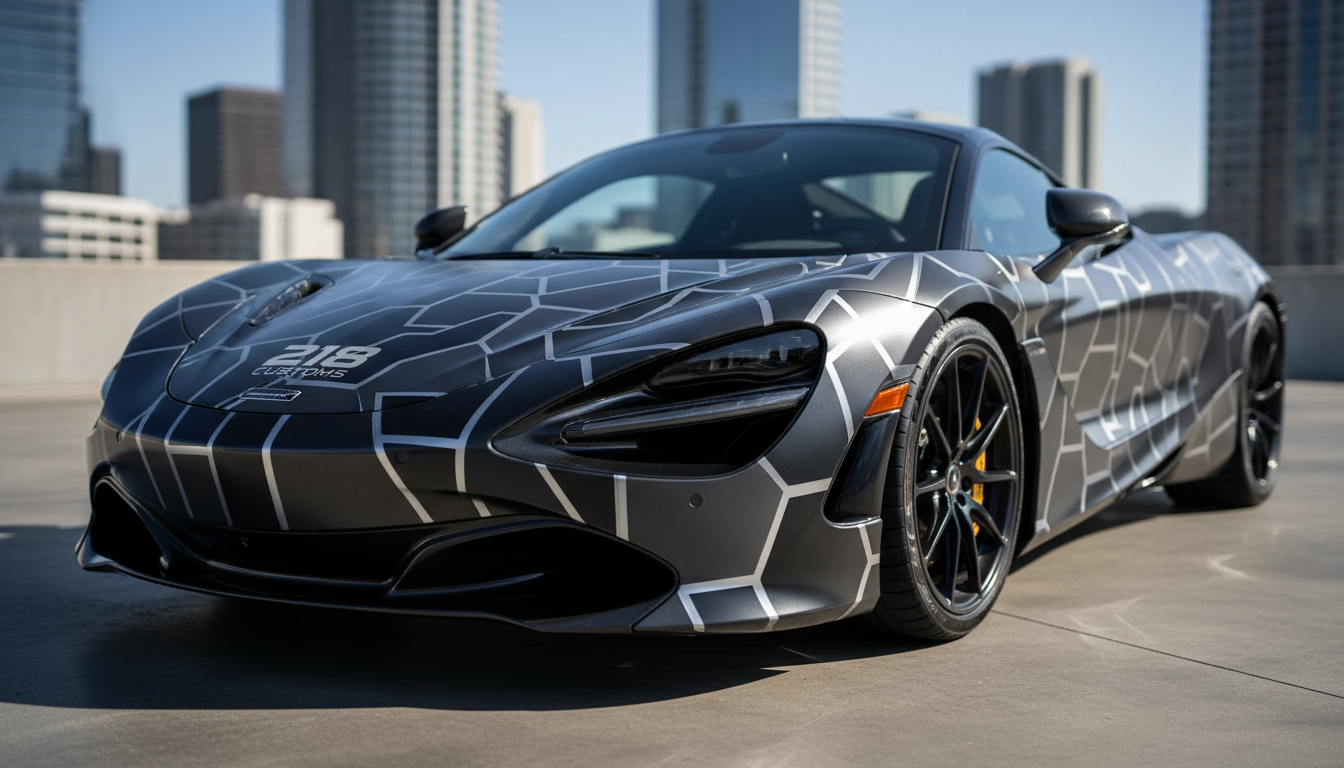
More car owners are choosing car wraps to make their cars unique. A vinyl wrap can change a car’s look, protect the paint, or even act as a moving ad. But, many wonder if this method damages the paint.
The rise of car wrapping has led to debates about its effect on paint protection. Some say a vinyl wrap keeps the paint safe. Others fear it might harm the paint when removed. Knowing how car wrapping works is key to making a smart choice.
Key Takeaways
- Car wraps can be a protective layer for the original paint.
- The quality of the vinyl wrap affects its impact on the car’s paint.
- Proper installation is crucial to prevent damage.
- Removal techniques are vital to maintaining the car’s original paint.
- Not all car wraps are created equal; some are designed for paint protection.
Understanding Car Wraps: What They Are and How They Work
Car wraps are a cool way to make your car look different. They are vinyl covers that go over the car’s paint. This way, you can change your car’s look without hurting the paint.
Types of Car Wraps Available Today
There are many car wraps to choose from. They match different tastes and needs. Here are a few:
- Color change wraps: These wraps change your car’s color for a new look.
- Promotional wraps: Businesses use these to show ads or messages.
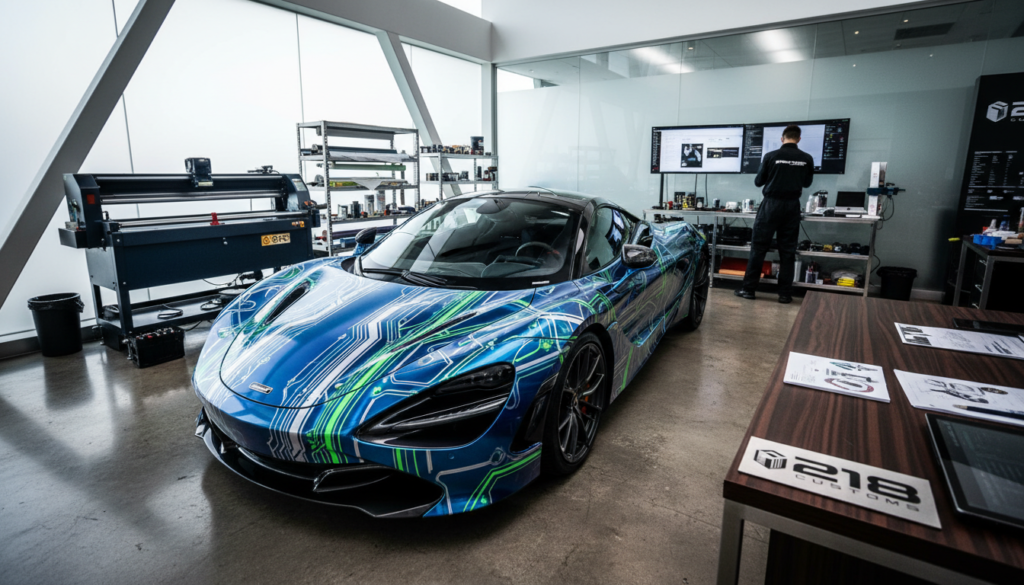
- Design wraps: These wraps have cool designs, patterns, or graphics for customizing.
Each wrap has its own use, like making your car look cool or showing ads.
Materials Used in Modern Vehicle Wraps
Today’s car wraps are made from top-notch vinyl. This vinyl fits the car’s curves well. It also has a special coat to keep it safe from the weather.
The vinyl and its coat are key to the wrap’s look and how long it lasts. Good materials make the wrap look better and protect the car’s paint.
Does Wrapping a Car Damage the Paint? The Truth Revealed
Many people wonder if wrapping a car hurts the paint. But, the real answer is about how vinyl wraps work with the paint. If done right, a vinyl wrap can change a car’s look without harming the paint.
How Vinyl Wraps Interact with Factory Paint
Vinyl wraps stick to a car’s paint using a soft glue. This glue doesn’t hurt the paint. Experts say a good vinyl wrap can also protect the paint from small scratches and fading from the sun.
Protective Benefits of Quality Wraps
A good vinyl wrap keeps your car’s paint safe from the sun, small scratches, and dirt. It keeps the paint looking new and might even help your car’s value stay high. Learn more about vinyl wrap benefits on this website.
Long-term Effects on Original Paint
The paint’s long-term health depends on the wrap’s quality, the paint’s state when wrapped, and how well you care for it. A well-done and well-kept vinyl wrap won’t harm the paint. It might even keep it looking good longer.
So, wrapping a car doesn’t hurt the paint. Instead, a quality vinyl wrap can protect and personalize your car. Knowing how vinyl wraps work and taking good care of them lets you change your car’s look without damaging the paint.
When Car Wraps Can Potentially Damage Paint
Car wraps are safe, but some things can make them riskier. Things like the paint’s condition and the environment can cause problems. Knowing these risks helps you decide if wrapping your car is right.
Pre-existing Paint Issues and Complications
If your car’s paint is already damaged, a wrap can make it worse. For example, if the paint is chipped or faded, the wrap’s adhesive can make these spots stand out more. Also, if the paint is old or not well-maintained, removing the wrap can damage it.
Some common paint problems include:
- Fading from too much sun
- Chipping from road debris
- Rust or corrosion, common near the sea
Low-Quality Materials and Their Risks
Using cheap wrap materials can harm your paint. These materials often have bad adhesives that pull off paint when removed. Also, they don’t last as long as better materials, which can damage the paint.
Some dangers of cheap wraps are:
- Bad adhesive that peels off paint
- Ink bleeding or fading, changing how it looks
- Wearing out fast, needing to be replaced often
Environmental Factors That Affect Wrap-Paint Interaction
How a wrap interacts with your car’s paint depends on the environment. Extreme temperatures can make the adhesive too strong or weak. UV radiation can also damage the wrap and the paint over time.
- Direct sunlight and UV radiation
- Extreme temperatures, both hot and cold
- Rain and humidity
The Benefits of Wrapping Your Vehicle
Wrapping your vehicle has many benefits. It lets you change how your car looks without a permanent paint job. This is great for those who like to change things up.
Aesthetic Customization Options
Vehicle wraps come in many designs. You can pick simple colors or complex graphics. This lets you make your car look just the way you want.
There are many finishes to choose from. You can pick matte, gloss, or satin. This means you can find the perfect look for your car.
Paint Protection Advantages
A good vehicle wrap protects your car’s paint. It keeps it safe from UV rays, dust, and small scratches. This helps your car stay in great shape.
It might even save you money on paint jobs later on. A wrap can keep your car looking new for longer.
Resale Value Considerations
Wrapping your car can affect its resale value. A nice wrap can make your car more attractive to buyers. But, a bad wrap can make it less appealing.
Think about this when you decide to wrap your car. A good wrap can help your car sell for more money.
| Benefits | Description |
|---|---|
| Aesthetic Customization | Personalize your vehicle’s appearance with various designs and finishes. |
| Paint Protection | Protect the original paint from UV rays, dust, and minor scratches. |
| Resale Value | Potentially increase resale value by preserving the original paint. |
Professional vs. DIY Installation: What You Should Know
Choosing between professional and DIY car wrap installation is key. Each option has its own pros and cons. It’s important to know these before deciding.
The Professional Installation Process
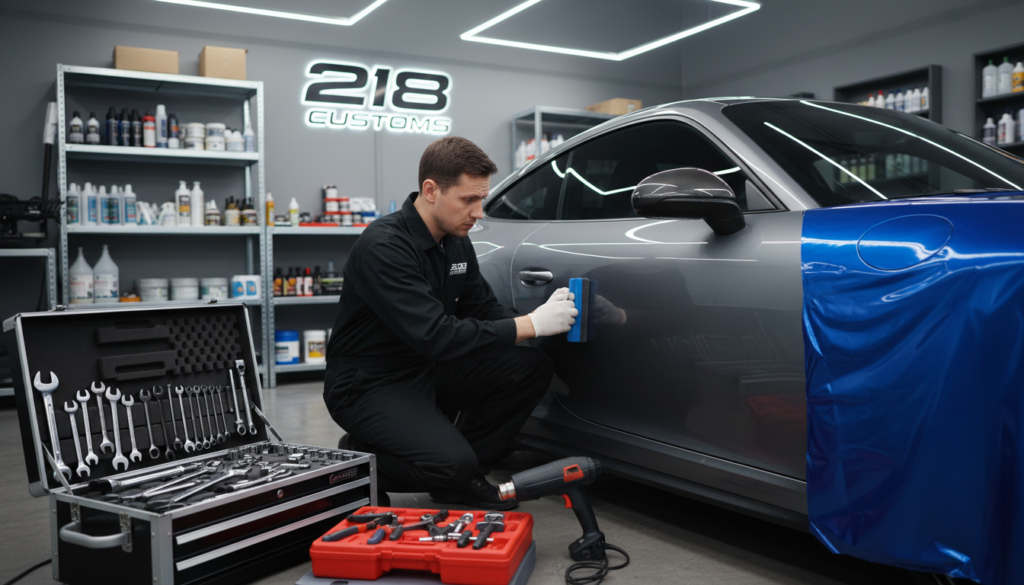
Professional installers follow many steps for a great finish. They first check the car’s surface for any issues. Then, they clean it well before applying the wrap.
They use special tools to avoid air bubbles and wrinkles. This makes the car look smooth and professional.
Key benefits of professional installation include:
- Expertise in handling various vehicle types and sizes
- Access to high-quality materials and equipment
- A warranty on the installation work
How to Choose a Qualified Installer
Finding the right installer is crucial. Look for someone with experience and good reviews. Check online and ask for references.
Make sure to ask about their process, materials, and warranty. For more info, visit this article on DIY vs. professional wraps.
Common DIY Mistakes That Can Damage Paint
DIY wraps can save money but are risky. Mistakes like bad surface prep and wrong application can harm the paint. These errors can cause bubbles and a bad finish.
Some common DIY mistakes to avoid:
| Mistake | Consequence |
|---|---|
| Insufficient surface cleaning | Poor adhesion, air bubbles |
| Incorrect wrap alignment | Wrinkles, misaligned design |
| Using low-quality wrap materials | Premature wear, paint damage |
Cost Considerations for Car Wrapping
When you think about car wrapping, knowing the costs is key. The price can change a lot. It depends on the wrap type, vehicle size, and design complexity.
Price Ranges for Different Types of Wraps
Car wrap prices can go from a few hundred to thousands of dollars. Here are some general price ranges for different types of wraps:
- Basic Vinyl Wraps: $1,500 – $3,000
- Premium Vinyl Wraps with Custom Designs: $3,000 – $5,000
- Specialty Wraps (e.g., color-shifting, metallic): $5,000+
These prices depend on the vinyl quality, the installer’s skill, and the vehicle’s size.
Value Comparison: Wrapping vs. Repainting
Choosing between wrapping and repainting is important. Wrapping is a temporary yet high-quality choice. It also protects the original paint.
Here’s a comparison of the two:
| Feature | Wrapping | Repainting |
|---|---|---|
| Cost | $1,500 – $5,000+ | $3,000 – $10,000+ |
| Durability | 3-7 years | Permanent |
| Customization | High | High |
Choosing between wrapping and repainting depends on your budget, preferences, and what you want for your vehicle.
Proper Maintenance of a Wrapped Vehicle
To keep your wrapped vehicle looking great, regular care is important. A well-kept car wrap makes your vehicle look better. It also protects the paint underneath and makes the wrap last longer.
Cleaning and Care Guidelines
Cleaning your wrapped vehicle needs special care to avoid damage. Use a mild soap and water mix. Stay away from harsh chemicals or rough stuff that can scratch or change the color of the wrap.
For a deeper clean, use a car wash product made for wrapped vehicles. Washing it often is key, more so after salt, tar, or bug splatters. These can stick to the wrap and harm it if not cleaned off.
Avoiding Damage During Ownership
There are ways to prevent damage to your car’s wrap. Don’t use high-pressure washes or brushes that can scratch. Park in shaded spots to avoid too much sun, which can make the wrap fade.
Also, be careful with the products you use on your car. Some chemicals can break down the wrap’s material. For more on car wraps vs. paint, check out this resource.
By following these tips, you can keep your wrapped vehicle looking good for years. It will keep its looks and value.
Removing Car Wraps: Best Practices to Protect Your Paint
Removing car wraps is a careful job. It keeps your car’s paint safe. You might want a new look or to go back to the original paint.
The Professional Removal Process
Experts use special tools and methods to remove wraps safely. They use heat guns to make the adhesive soft. This makes it easy to remove the wrap without harming the paint.
“The key to successful wrap removal lies in the careful application of heat and the slow, gentle peeling of the vinyl,” says a leading wrap removal specialist. “Rushing the process can lead to tears in the wrap or, worse, damage to the paint.”
Signs It’s Time to Remove Your Wrap
It’s important to know when to take off your car wrap. Look for these signs:
- Fading or discoloration of the wrap
- Damage to the wrap, such as tears or bubbles
- Changes in the vehicle’s use or branding
Check your car often. This way, you can catch problems early. This helps avoid damage to the paint.
Potential Issues During Removal and How to Avoid Them
One big problem is sticky residue left on the paint. Pros use special cleaners to fix this. They also use the right temperature and peeling method to avoid paint damage.
Learning about car wrap removal helps keep your car’s paint safe. It also makes sure your car looks great. Whether you’re new to car customization or not, following these tips will help you remove wraps safely.
Conclusion: Making the Right Decision for Your Vehicle
Choosing to wrap your car is a big decision. It involves thinking about how it might affect your paint. We’ve looked at what car wraps are and their pros and cons.
One important thing to think about is paint protection. Good vinyl wraps can keep your paint safe from sun damage and small scratches. But, bad paint, low-quality wraps, and wrong installation can cause problems.
It’s important to think carefully before wrapping your car. Knowing the benefits and risks helps. Getting it done right and taking good care of it is key.
Deciding to wrap your car needs careful thought. You should think about your car’s state, your budget, and what you like. With the right info and a skilled installer, you can keep your car looking great and safe.