
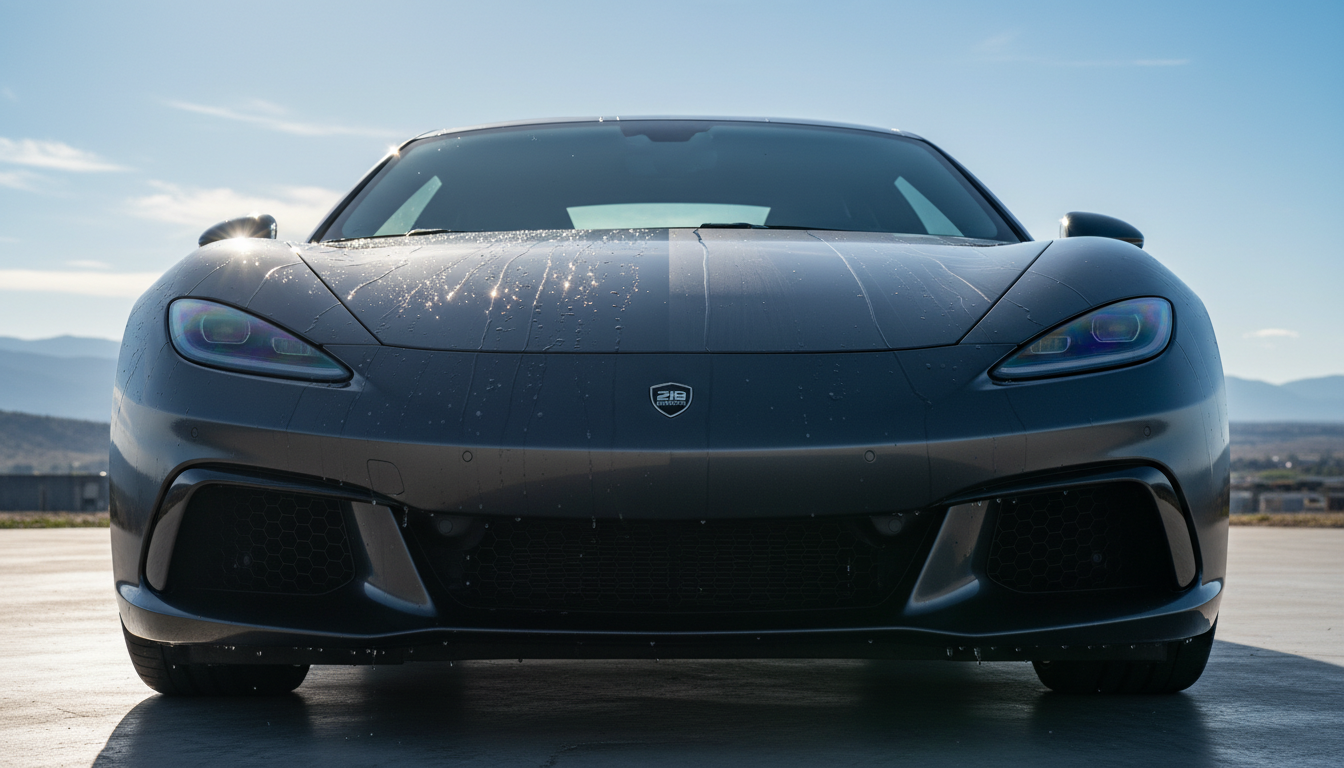
Having a luxury or performance vehicle is a big deal. Protecting its finish is key. The paint job is not just for looks; it keeps the vehicle’s value up.
Protecting your vehicle’s paint is vital. There are two main ways to do this: ceramic coating and Paint Protection Film (PPF).
Both methods are popular among car owners. But they do different things and offer unique benefits. Knowing the differences helps you make a smart choice.
Key Takeaways
- Understanding the purpose of ceramic coating and PPF
- Key differences between the two protection methods
- Factors to consider when choosing between ceramic coating and PPF
- Benefits of each protection method for your vehicle
- How to make an informed decision based on your vehicle’s needs
Understanding Vehicle Paint Protection
Knowing how important paint protection is can help you take better care of your car. Your car’s paint faces many dangers every day. These include rock chips, UV rays, and contaminants that can harm its finish.
The Importance of Protecting Your Vehicle’s Finish
Keeping your car’s paint safe is more than just keeping it looking good. It also helps keep its value high. Ceramic coating and Paint Protection Film (PPF) are two top choices for protecting against many dangers.
Common Environmental and Road Hazards
Cars face many dangers like rock chips, bug splatters, and UV rays. These can cause fading and damage to the paint. UV rays can lead to oxidation, making the paint dull. Also, things like tar and sap can stick to the paint, causing hard stains if not cleaned quickly.
Evolution of Modern Protection Solutions
The car industry has made big steps in paint protection. Ceramic coating and PPFare now top choices. They both protect against environmental damage but are different in how they work, last, and protect.
By knowing the benefits and differences between ceramic coating and PPF, you can pick the best for your car. This way, your car’s paint will stay in great shape for a long time.
What is Ceramic Coating?
Ceramic coating is a nanotechnology-based product that protects and enhances vehicle finishes. It’s a liquid polymer that bonds with the paint. This creates a durable, water-repelling surface.
Composition and Nanotechnology Explained
The ceramic coating is made of nanoparticles that bond strongly with the paint. This nanotechnology goes deep into the paint, making a protective layer that lasts long.
Chemical Bonding Process with Paint
When applied to the paint, the ceramic coating forms a chemical bond. This bond makes the paint more durable and resistant to the environment.
Professional vs DIY Application Methods
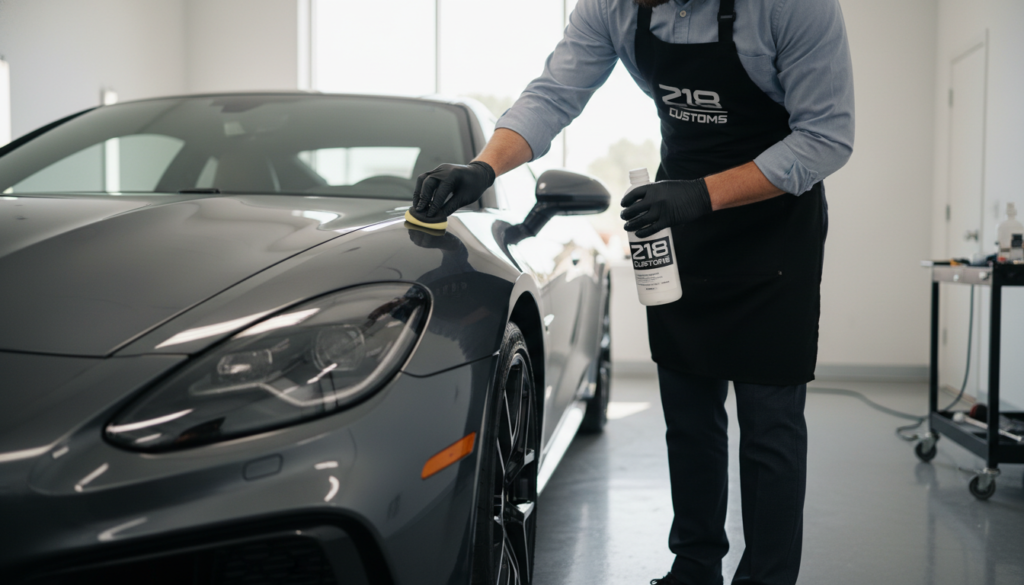
While DIY kits are available, getting a professional to apply ceramic coating is best. Professionals have the skills and tools for a perfect application, ensuring the coating works its best.
Preparation Requirements
Getting ready for ceramic coating is crucial. This means doing a thorough paint correction, cleaning the surface, and making sure the paint is clean and free from dirt.
Application Techniques
To apply the coating, use a microfiber applicator. Spread it evenly on the paint. Then, let it cure to form a strong bond with the paint.
| Aspect | Description |
|---|---|
| Composition | Nanoparticles forming a strong bond with paint |
| Chemical Bonding | Covalent bond enhancing durability and resistance |
| Application | Professional or DIY, with professional recommended |
What is Paint Protection Film (PPF)?
Paint Protection Film, or PPF, is a clear, flexible film for cars. It protects against road debris, rock chips, and more. It’s loved by car lovers for keeping their vehicles looking new and holding their value.
Thermoplastic Urethane Technology
PPF’s strength comes from its thermoplastic urethane. This material is tough and can fix small scratches and marks with heat. It keeps the paint safe from chips and cracks.
Installation and Adhesion Methods
Installing PPF needs skill to do right. Experts use special methods to apply it without air bubbles or wrinkles. The adhesive is strong but won’t harm the paint when removed.
Coverage Options and Customization
PPF comes in many coverage options. You can choose full coverage for total protection or focus on high-risk areas like the front bumper. This way, you can save money while still protecting your car.
Full Vehicle Protection
Full vehicle coverage with PPF offers the best protection. It covers the whole car, keeping it safe from many types of damage.
Partial and High-Impact Area Coverage
For a more budget-friendly option, PPF can be applied to high-risk areas. This includes the front bumper, hood, and mirrors. It’s a smart choice for protecting the most vulnerable parts of your car.
When thinking about PPF, compare it to ceramic coating. Knowing the differences helps you choose the best protection for your car.
Ceramic Coating vs PPF: Key Differences
When it comes to protecting your vehicle’s paint, two popular options are ceramic coating and Paint Protection Film (PPF). Both offer protection, but they differ in their approach, benefits, and application.
Physical Protection Capabilities
Ceramic coating protects against minor scratches and contaminants. But it doesn’t offer the same level of protection as PPF against rock chips and debris. For more information on PPF, visit https://218customs.com/ppf/.
Chemical and Environmental Resistance
Both ceramic coating and PPF resist environmental contaminants. But PPF is more effective against rock chips and road debris. Ceramic coating, on the other hand, provides excellent hydrophobic properties, making maintenance easier.
Thickness and Impact on Vehicle Appearance
PPF is generally thicker than ceramic coating and can be more noticeable, even on edges and curves. Ceramic coating, being thinner, doesn’t alter the vehicle’s appearance significantly.
Longevity and Warranty Considerations
The longevity of both products varies. PPF typically lasts longer (up to 10 years or more with proper care) than ceramic coating (2-5 years). Warranty considerations also differ between manufacturers.
Benefits of Ceramic Coating
Ceramic coating has changed how we protect and keep our cars looking good. It offers many benefits that make the paint look better and last longer.
Enhanced Gloss and Color Depth
Ceramic coating makes a car’s paint look shiny and vibrant. It does this by creating a thin layer that smooths out small imperfections. This layer reflects light better, making the paint look even more stunning.
Hydrophobic Properties and Maintenance Ease
Ceramic coatings are great at keeping water off the car’s surface. This makes it hard for water spots to form and makes cleaning easier. It also keeps dirt and other contaminants from sticking, keeping the car clean for longer.
UV Protection and Oxidation Prevention
Ceramic coating protects against UV damage and prevents oxidation. It acts as a shield against UV rays that can cause paint to fade and become brittle. This helps keep the paint looking new and prevents it from breaking down.
Cost-Effectiveness for Full Vehicle Coverage
When looking at the cost of ceramic coating, it’s important to compare it to other options like PPF. While ceramic coating might cost less upfront, its long-lasting nature and low maintenance needs should be considered in the overall cost.
| Feature | Ceramic Coating | PPF |
|---|---|---|
| Gloss Enhancement | High | Moderate |
| Hydrophobic Properties | Excellent | Good |
| UV Protection | Excellent | Excellent |
| Cost | Moderate | High |
Benefits of Paint Protection Film
Paint Protection Film (PPF) keeps your car looking new. It fights off the elements and is loved by car owners. Its advanced tech makes it a top choice.
Self-Healing Technology for Minor Scratches
PPF’s self-healing tech fixes minor scratches and swirls. It makes your car’s paint look brand new. The film’s special topcoat heals itself when it gets hot.
Rock Chip and Road Debris Protection
PPF guards against rock chips and road debris. It saves your car’s paint from damage. This means fewer repairs and more savings for you.
Stain Resistance and Contaminant Blocking
PPF also fights stains and blocks contaminants. It keeps your car’s paint safe from bug splatters, tar, and bird droppings. Your car stays clean and protected.
Edge-to-Edge Protection Options
PPF covers your car’s paint edge-to-edge. This means every part of your car is protected. You’ll have peace of mind and a car that looks great for years.
Want to know more about PPF and other coatings? Check out our article on Paint Protection Film vs Ceramic Coating.
Choosing Based on Driving Conditions and Vehicle Use
When deciding between ceramic coating or PPF for your car, think about your driving habits and where you drive. The choice also depends on your vehicle’s age and how you use it.
Daily Commuters vs Weekend Vehicles
PPF is great for daily drivers because it guards against rock chips and debris. If you only drive on weekends, ceramic coating might be better. It makes your car look shiny and repels water.
Highway Driving vs City Environments
If you drive on highways, PPF is better because it protects against fast-moving debris. But, if you mostly drive in the city, ceramic coating could be enough. City driving is slower and doesn’t need as much protection.
Extreme Weather Considerations
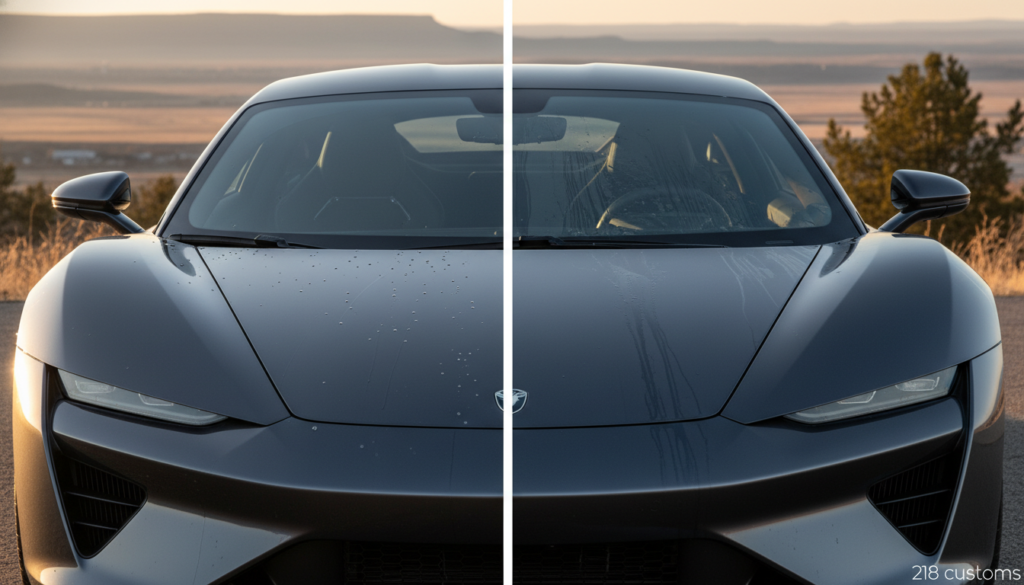
Extreme weather, like intense sun or cold, is better handled by ceramic coating. It offers UV protection. But, if you drive through areas with lots of debris, like construction zones, PPF is a better choice.
Vehicle Age and Paint Condition
New cars should get PPF to keep the paint perfect. Older cars might do well with ceramic coating. It makes the car look better and adds protection. If you’re thinking about vinyl wrap, check out this link for more info.
Choosing between ceramic coating and PPF depends on your specific needs. Think about your driving habits and vehicle type. This way, you can pick the best option for your car.
Maintenance and Long-Term Care
Keeping your vehicle in top shape is key. This means taking good care of both ceramic coating and Paint Protection Film (PPF). Regular upkeep keeps these protective layers working well. It also keeps your car looking great and safe from the elements and road dangers.
Proper Washing Techniques for Protected Vehicles
Washing your car often is a must. Use a gentle, pH-balanced car wash soap. Stay away from high-pressure washes and rough materials that might scratch your car.
For cars with ceramic coating, a soft, microfiber wash mitt is best. When washing PPF, don’t use circular motions or press too hard. This can cause scratches or harm the film.
Maintenance Schedule for Ceramic Coating
Keeping ceramic coatings in top shape needs a regular check-up. Check the coating every 3 to 6 months. Reapply a topcoat if needed.
Try to avoid extreme temperatures and park in shaded spots. This helps your ceramic coating last longer.
PPF Care and Inspection Guidelines
PPF needs regular checks to spot any damage or lifting. Clean the film with mild soap and dry it with a microfiber towel. This stops dirt and debris from getting trapped under the film.
Look at the film’s edges often. These areas are more likely to lift or get damaged.
Professional Maintenance Services
Some maintenance tasks are better left to the pros. A professional detailer can offer expert advice and services. They can help keep your car in the best condition.
Conclusion: Making the Right Choice
Choosing between ceramic coating and PPF for your vehicle’s paint protection can be tough. Each has its own benefits. Think about what your vehicle needs and what you prefer when deciding on ceramic coating vs ppf.
Ceramic coating and PPF both protect your car in different ways. Ceramic coating creates a strong, water-repelling layer that makes your car shiny and easy to clean. PPF, on the other hand, shields your car from rock chips and road debris.
Deciding between ceramic coating or ppf for paint protection depends on several factors. Consider your driving habits, your car’s paint condition, and your budget. If you want a car that’s easy to maintain and looks great, ceramic coating might be best. But if you drive on rough roads a lot, PPF could be a better choice.
Knowing the strengths of each option helps you make a choice that protects your car’s finish well.