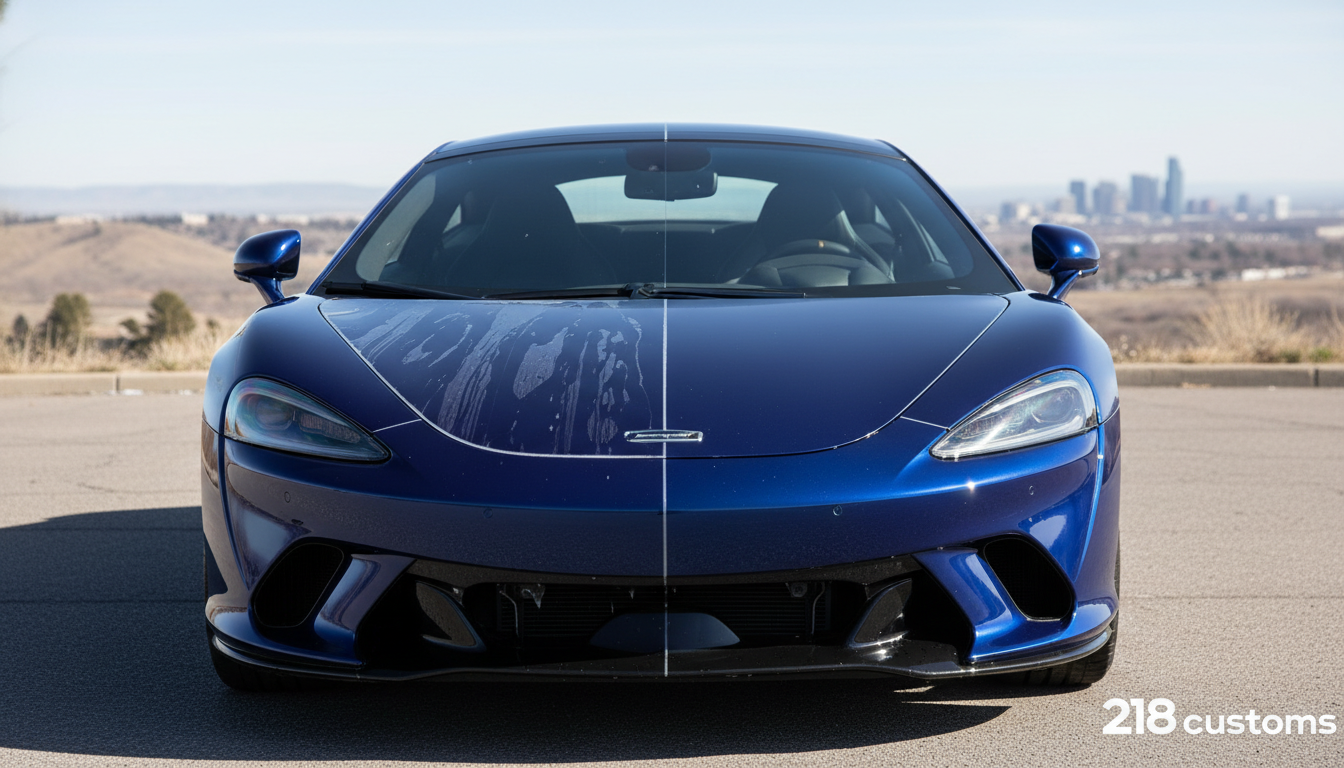
Choosing the right paint protection film (PPF) for your car can be tough. You have two main choices: full PPF, which covers all painted parts, and partial PPF, which protects only high-risk areas.
Full PPF gives your car’s paint complete protection from chips, scratches, and more. Partial PPF, while cheaper, still guards your car’s most vulnerable spots well.
It’s important to know the differences between these two. This helps you make a choice that fits your needs and budget.
Key Takeaways
- Comprehensive PPF covers all painted surfaces for maximum protection.
- Targeted PPF focuses on high-risk areas for a more affordable solution.
- The choice between comprehensive and targeted PPF depends on your specific needs and budget.
- Both options provide effective protection against paint damage.
- Consulting with a professional can help determine the best PPF solution for your vehicle.
Understanding Paint Protection Film (PPF) Basics
The world of car care has grown with Paint Protection Film (PPF). It’s a tech that shields cars from damage. Knowing how PPF works is key to its benefits.
What is Paint Protection Film?
Paint Protection Film is a clear, flexible film for car paint. It’s like a “clear, protective shield for your car’s paint”. It guards against environmental and physical harm.
How PPF Protects Your Vehicle
PPF stops road debris like rocks and gravel from harming your car’s paint. It keeps your car looking good, even in tough driving spots.
Common Materials and Technologies
Today’s PPFs use advanced materials for better protection and lasting power. They include multi-layer films that heal minor scratches on their own.
Learning about PPF helps car owners protect their vehicles. It keeps their cars looking new.
Defining Full Front PPF Coverage
Full Front PPF coverage is a top-notch protective solution. It involves applying a tough film to your vehicle’s front end. This includes the hood, fenders, and bumper. It might also cover the side mirrors and roof, offering the best defense against rock chips, bug splatter, and other damage.
What Areas Are Covered in Full Front PPF
The Full Front PPF covers the front bumper, hood, and fenders. Some deals might also protect the side mirrors and the roof edge. This makes sure your vehicle’s most exposed parts are well-protected.
Standard Components Protected
Standard parts covered by Full Front PPF include:
- The front bumper, which is often hit by rock chips and debris.
- The hood, where bug splatter and stone chips are common.
- The fenders, which are vulnerable to road debris damage.
Optional Add-ons for Full Front Packages
Some Full Front PPF packages come with extra protection options, such as:
- Side mirrors protection, which can be easily damaged.
- Roof edge coverage, adding extra defense against debris.
- Extended protection for other vulnerable spots, based on the vehicle and package.
To discover top installers and learn about Full Front PPF pricing, check out 218customs.com.
Defining Partial PPF Coverage
Partial PPF coverage doesn’t cover the whole car like full PPF does. It focuses on the most vulnerable spots. This way, car owners can protect their vehicle without the full cost.
What Areas Are Included in Partial PPF
Partial PPF usually covers high-risk spots like the front bumper and hood. It might also include side mirrors and fenders. These areas are most likely to get damaged by road debris and small accidents.
Common Partial Coverage Options
There are a few common partial PPF options:
- Front bumper and hood protection
- Addition of side mirror protection
- Inclusion of fender protection for enhanced coverage
Partial PPF offers a balance between protection and cost. It’s a good choice for those who want to protect their car’s most vulnerable spots without spending too much.
Customization Possibilities
One of the key advantages of partial PPF is its customizability. Owners can pick which areas to protect based on their driving and parking habits.
| Area Protected | Typical Damage | Benefit of PPF |
|---|---|---|
| Front Bumper | Road debris, minor collisions | Prevents scratches and chips |
| Hood | Stone chips, bug splatters | Maintains paint finish |
| Fenders | Minor scrapes, debris impact | Protects against costly repairs |
By focusing on the most vulnerable areas, partial PPF coverage is a cost-effective way to protect your vehicle. For more on costs, see our section on partial PPF cost comparison.
Full Front vs Partial PPF: The Key Differences
Choosing between full front and partial Paint Protection Film (PPF) is crucial. It depends on your vehicle’s risk, budget, and style. Each option has its own benefits.
Coverage Area Comparison
Full front PPF covers the whole front of your car, like the hood, bumper, and fenders. Sometimes, it even includes the roof and side mirrors. Partial PPF, on the other hand, focuses on specific parts, like the hood or bumper.
Full front PPF offers total protection, while partial PPF is more budget-friendly. It’s perfect for those who want to protect certain areas.
| Coverage Area | Full Front PPF | Partial PPF |
|---|---|---|
| Hood | Yes | Optional |
| Bumper | Yes | Optional |
| Fenders | Yes | Optional |
Protection Level Differences
Full front PPF shields your car from rock chips, bug splatters, and more. Partial PPF offers some protection but leaves some areas exposed.
How much protection you need depends on your driving and where you drive. If you’re on highways a lot, full front PPF is safer.
Visual Impact Comparison
Full front PPF looks seamless, covering the whole front. Partial PPF might stand out, depending on the paint match.
Looks matter when choosing PPF. If you want your car to look original, go for full front PPF.
Benefits of Full Front PPF
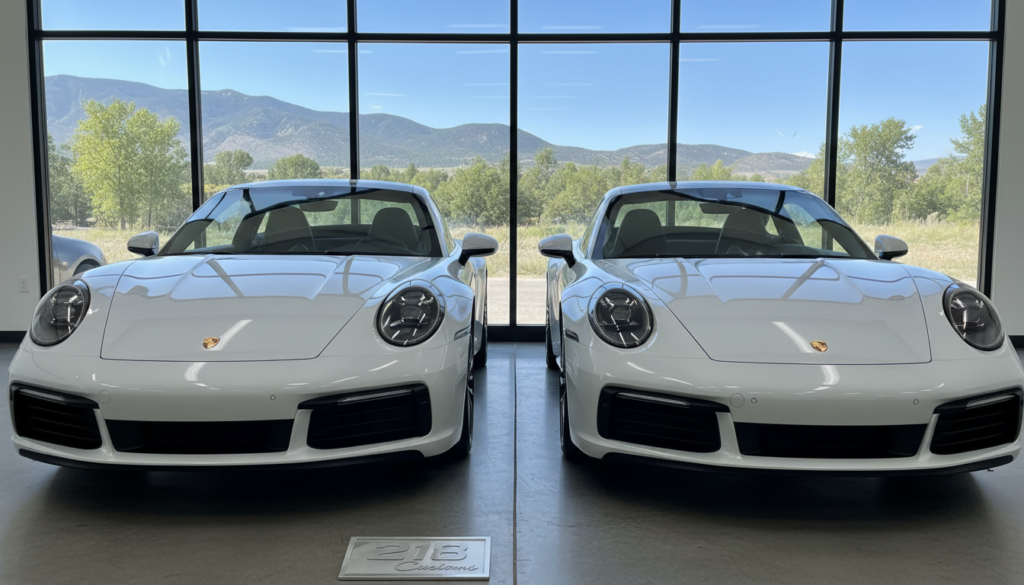
Full Front PPF gives your car’s most exposed parts top-notch protection. It’s key to keeping your car looking great and its value high.
Comprehensive Protection for High-Impact Areas
Full Front PPF guards your car’s most critical spots, like the hood, bumper, and side mirrors. It makes sure these areas stay safe from road debris, bugs, and other environmental hazards.
- Protection against stone chips and scratches
- Resistance to bug splatters and tar
- Shielding against UV damage
Seamless Appearance Benefits
Full Front PPF also makes your car look flawless. The film matches your car’s paint perfectly, giving it a smooth, even look.
Key benefits include:
- A uniform, glossy finish
- Minimal visibility of the film
- Enhanced visual appeal
Long-term Value Preservation
Full Front PPF keeps your car’s paint safe, which helps keep its value high over time. A car with a shiny paint job is more likely to sell for a good price.
Getting Full Front PPF is a smart move to keep your car in top shape and its value up.
Benefits of Partial PPF
Choosing Partial PPF can be smart for those who want to protect certain parts of their car. It lets car owners focus on areas more likely to get damaged.
Targeted Protection for Specific Areas
Partial PPF helps protect the most at-risk parts of your car’s paint. It covers areas like the front bumper, hood, and fenders. This way, it guards against road debris and other dangers.
For more info on protection options, check out 218customs.com. They compare ceramic vs carbon tint.
Budget-Friendly Option
Partial PPF is also cost-effective. It doesn’t cover the whole car, saving money. This is great for those watching their budget or not wanting full coverage.
Minimalist Approach Benefits
Partial PPF uses less material, making installation easier and faster. This saves time and money. It’s a smart choice for those looking for protection without spending too much.
Real-World Protection Scenarios
Protecting your vehicle’s paint depends on where you drive. Whether on highways, city streets, or off-road, the right paint protection film (PPF) matters a lot.
Highway Driving and PPF
Driving on highways comes with its own set of challenges. High speeds, debris, and extreme temperatures are common. A full front PPF can protect your vehicle’s paint from these dangers, keeping it looking great.
| Driving Condition | PPF Recommendation | Benefits |
|---|---|---|
| Highway Driving | Full Front PPF | Comprehensive protection against debris and extreme temperatures |
| Urban Driving | Partial PPF | Targeted protection for high-impact areas, budget-friendly |
| Off-Road/Extreme Conditions | Full Front PPF | Maximum protection against rocks, branches, and other hazards |
Urban Driving and Parking Hazards
Urban driving has its own challenges. Tight parking, pedestrians, and vandalism are common. A partial PPF can protect high-risk areas like the front bumper and hood. It’s also more affordable.
Off-Road and Extreme Conditions
Off-roading or driving in extreme conditions? A full front PPF is a must. It shields your vehicle’s paint from rocks, branches, and other dangers.
Want to know more about paint protection film? Read our article on whether your car really needs PPF.
Cost Considerations Between Options
Choosing between full front and partial PPF coverage means looking at costs closely. The price difference can be big, and it’s key to think about how much protection your car needs.
Typical Price Ranges for Full Front PPF
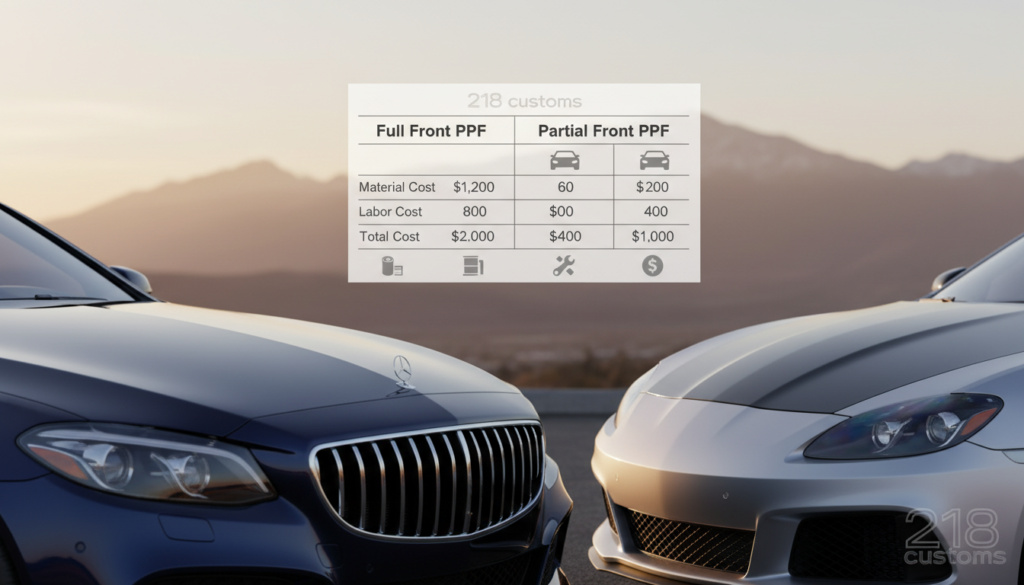
Full front PPF is more expensive because it covers more. Prices can be from $1,500 to $3,000. This depends on your car’s type, size, and where you live.
Typical Price Ranges for Partial PPF
Partial PPF is cheaper, starting at $500 for key areas like the front bumper. Costs can reach up to $1,500, based on how much you want covered and your car’s size.
Value Analysis: Investment vs. Protection
Looking at PPF costs, think about the protection and how long it lasts. Here’s a comparison to help you see the value:
| Coverage Type | Price Range | Protection Level |
|---|---|---|
| Full Front PPF | $1,500 – $3,000 | Comprehensive protection for the entire front end |
| Partial PPF | $500 – $1,500 | Targeted protection for high-impact areas |
Choosing between full front and partial PPF depends on your car’s needs, your budget, and how you drive. Knowing the costs and protection levels helps you make a choice that fits your priorities.
Installation Process Comparison
PPF installation’s success depends on the coverage area. Full front or partial, each has its own complexity and time frame. The process requires precision and expertise.
Full Front PPF Installation Timeline
Full front PPF covers a lot, including the hood, front bumper, and fenders. It can take a professional installer 4 to 8 hours to finish, based on the vehicle and installer’s skill.
Partial PPF Installation Timeline
Partial PPF focuses on key areas like the front bumper and hood. It’s faster, taking 2 to 4 hours. This makes it a good choice for those saving money or needing less protection.
Professional vs. DIY Considerations
While DIY kits exist, getting a pro is best for quality and protection. Experts have the right tools and know-how to avoid mistakes and paint damage.
Combining PPF with Other Protection Methods
Using Paint Protection Film (PPF) with other protective methods can really help keep your car safe. It keeps your car looking good and lasting longer. Mixing PPF with other protection plans can make your car last longer and look better.
PPF and Ceramic Coatings
PPF and ceramic coatings work together to protect your car well. PPF guards against scratches and chips. Ceramic coatings help against chemicals and make cleaning easier. This combo is a top choice for keeping your car safe.
| Protection Method | Primary Benefit | Secondary Benefit |
|---|---|---|
| PPF | Physical Damage Protection | UV Protection |
| Ceramic Coatings | Chemical Resistance | Ease of Cleaning |
PPF and Vinyl Wraps
Want a new look for your car? Try PPF and vinyl wraps together. PPF covers high-risk spots, and then a vinyl wrap goes on top. This gives your car a fresh look and protection.
Creating a Complete Vehicle Protection Strategy
To fully protect your car, think about using PPF with ceramic coatings and vinyl wraps. Look at your car’s needs based on its type and how you drive. Using different protections together can really shield your car from harm.
For a detailed paint protection film comparison, talk to a pro detailer or auto protection expert. They can design a protection plan that’s just right for your car and your needs.
How to Choose Between Full Front and Partial PPF
Choosing between full front and partial PPF depends on your vehicle’s exposure to damage and your future plans. It’s important to think about several factors that affect your vehicle’s protection and upkeep.
Assessing Your Driving Conditions
Your driving habits are key in deciding how much PPF you need. For example, driving on highways often means hitting debris that can harm your paint.
Urban driving means dealing with crowded parking lots and tight streets, raising the risk of small scratches and dings. Off-road driving, on the other hand, puts your vehicle in harsh conditions like rough terrain and bad weather.
Considering Your Vehicle’s Value and Age
The value and age of your vehicle are important. Newer or high-value vehicles might do better with full front PPF to keep their look and value.
Balancing Budget with Protection Needs
Costs can sway your decision between full front and partial PPF. It’s crucial to compare the costs and benefits of each option.
Short-term vs. Long-term Ownership Considerations
Long-term vehicle ownership might make full front PPF a better investment. But if you sell your cars often, partial PPF could save you money.
| Factor | Full Front PPF | Partial PPF |
|---|---|---|
| Driving Conditions | Highway, urban, and off-road driving | Low-risk driving conditions |
| Vehicle Value and Age | New, high-value vehicles | Older vehicles or those with lower value |
| Budget | Higher upfront cost | Lower upfront cost |
By weighing these factors, you can choose the right PPF for your needs and budget.
Conclusion: Making the Right Choice for Your Vehicle
Choosing between full front PPF and partial PPF depends on your needs and preferences. Think about your driving conditions, vehicle value, and budget. This will help you decide what’s best for you.
Key Considerations
When deciding, consider how much protection you need and your budget. Full front PPF covers high-impact areas well. Partial PPF targets specific areas for protection.
Think about your vehicle’s age, value, and how you drive. If you face harsh conditions or have a pricey vehicle, full front PPF might be best. For a cheaper option or safer driving, partial PPF could work.
Knowing the differences between full front PPF and partial PPF helps you choose wisely. This ensures your vehicle stays safe and retains its value.
FAQ
What is Paint Protection Film (PPF) and how does it work?
What areas are covered in Full Front PPF?
What are the benefits of Full Front PPF?
What areas are included in Partial PPF?
What are the advantages of Partial PPF?
How do I choose between Full Front and Partial PPF?
Can PPF be combined with other protection methods?
What is the typical price range for Full Front PPF?
FAQ
What is Paint Protection Film (PPF) and how does it work?
Paint Protection Film is a clear film applied to your vehicle’s surface. It protects against chips, scratches, and minor damages. It absorbs impacts, keeping your paint safe.
What areas are covered in Full Front PPF?
Full Front PPF covers the entire front of your vehicle. This includes the hood, bumper, fenders, and sometimes mirrors and A-pillars.
What are the benefits of Full Front PPF?
Full Front PPF offers full protection for high-impact areas. It keeps your vehicle looking seamless and preserves its value over time.
What areas are included in Partial PPF?
Partial PPF focuses on specific areas like the hood, bumper, or fenders. It can be tailored to fit your needs.
What are the advantages of Partial PPF?
Partial PPF is more affordable and targets specific high-risk areas. It’s great for those who want to protect only the most vulnerable spots.
How do I choose between Full Front and Partial PPF?
Consider your driving habits, vehicle’s value and age, and budget when deciding. Think about what you need and what you can afford.
Can PPF be combined with other protection methods?
Yes, PPF can be paired with ceramic coatings and vinyl wraps. This creates a complete protection plan for your vehicle.
What is the typical price range for Full Front PPF?
Full Front PPF prices vary by vehicle make and model. They usually range from
FAQ
What is Paint Protection Film (PPF) and how does it work?
Paint Protection Film is a clear film applied to your vehicle’s surface. It protects against chips, scratches, and minor damages. It absorbs impacts, keeping your paint safe.
What areas are covered in Full Front PPF?
Full Front PPF covers the entire front of your vehicle. This includes the hood, bumper, fenders, and sometimes mirrors and A-pillars.
What are the benefits of Full Front PPF?
Full Front PPF offers full protection for high-impact areas. It keeps your vehicle looking seamless and preserves its value over time.
What areas are included in Partial PPF?
Partial PPF focuses on specific areas like the hood, bumper, or fenders. It can be tailored to fit your needs.
What are the advantages of Partial PPF?
Partial PPF is more affordable and targets specific high-risk areas. It’s great for those who want to protect only the most vulnerable spots.
How do I choose between Full Front and Partial PPF?
Consider your driving habits, vehicle’s value and age, and budget when deciding. Think about what you need and what you can afford.
Can PPF be combined with other protection methods?
Yes, PPF can be paired with ceramic coatings and vinyl wraps. This creates a complete protection plan for your vehicle.
What is the typical price range for Full Front PPF?
Full Front PPF prices vary by vehicle make and model. They usually range from $1,000 to $3,000 or more.
What is the typical price range for Partial PPF?
Partial PPF prices are generally lower. They can range from $200 to $1,000, depending on the covered areas.
Is it better to install PPF professionally or DIY?
While DIY PPF installation is possible, professional installation is recommended. It ensures a perfect fit, avoids bubbles, and guarantees a top-quality finish.
,000 to ,000 or more.
What is the typical price range for Partial PPF?
Partial PPF prices are generally lower. They can range from 0 to
FAQ
What is Paint Protection Film (PPF) and how does it work?
Paint Protection Film is a clear film applied to your vehicle’s surface. It protects against chips, scratches, and minor damages. It absorbs impacts, keeping your paint safe.
What areas are covered in Full Front PPF?
Full Front PPF covers the entire front of your vehicle. This includes the hood, bumper, fenders, and sometimes mirrors and A-pillars.
What are the benefits of Full Front PPF?
Full Front PPF offers full protection for high-impact areas. It keeps your vehicle looking seamless and preserves its value over time.
What areas are included in Partial PPF?
Partial PPF focuses on specific areas like the hood, bumper, or fenders. It can be tailored to fit your needs.
What are the advantages of Partial PPF?
Partial PPF is more affordable and targets specific high-risk areas. It’s great for those who want to protect only the most vulnerable spots.
How do I choose between Full Front and Partial PPF?
Consider your driving habits, vehicle’s value and age, and budget when deciding. Think about what you need and what you can afford.
Can PPF be combined with other protection methods?
Yes, PPF can be paired with ceramic coatings and vinyl wraps. This creates a complete protection plan for your vehicle.
What is the typical price range for Full Front PPF?
Full Front PPF prices vary by vehicle make and model. They usually range from $1,000 to $3,000 or more.
What is the typical price range for Partial PPF?
Partial PPF prices are generally lower. They can range from $200 to $1,000, depending on the covered areas.
Is it better to install PPF professionally or DIY?
While DIY PPF installation is possible, professional installation is recommended. It ensures a perfect fit, avoids bubbles, and guarantees a top-quality finish.
,000, depending on the covered areas.
Is it better to install PPF professionally or DIY?
While DIY PPF installation is possible, professional installation is recommended. It ensures a perfect fit, avoids bubbles, and guarantees a top-quality finish.
FAQ
What is Paint Protection Film (PPF) and how does it work?
Paint Protection Film is a clear film applied to your vehicle’s surface. It protects against chips, scratches, and minor damages. It absorbs impacts, keeping your paint safe.
What areas are covered in Full Front PPF?
Full Front PPF covers the entire front of your vehicle. This includes the hood, bumper, fenders, and sometimes mirrors and A-pillars.
What are the benefits of Full Front PPF?
Full Front PPF offers full protection for high-impact areas. It keeps your vehicle looking seamless and preserves its value over time.
What areas are included in Partial PPF?
Partial PPF focuses on specific areas like the hood, bumper, or fenders. It can be tailored to fit your needs.
What are the advantages of Partial PPF?
Partial PPF is more affordable and targets specific high-risk areas. It’s great for those who want to protect only the most vulnerable spots.
How do I choose between Full Front and Partial PPF?
Consider your driving habits, vehicle’s value and age, and budget when deciding. Think about what you need and what you can afford.
Can PPF be combined with other protection methods?
Yes, PPF can be paired with ceramic coatings and vinyl wraps. This creates a complete protection plan for your vehicle.
What is the typical price range for Full Front PPF?
Full Front PPF prices vary by vehicle make and model. They usually range from
FAQ
What is Paint Protection Film (PPF) and how does it work?
Paint Protection Film is a clear film applied to your vehicle’s surface. It protects against chips, scratches, and minor damages. It absorbs impacts, keeping your paint safe.
What areas are covered in Full Front PPF?
Full Front PPF covers the entire front of your vehicle. This includes the hood, bumper, fenders, and sometimes mirrors and A-pillars.
What are the benefits of Full Front PPF?
Full Front PPF offers full protection for high-impact areas. It keeps your vehicle looking seamless and preserves its value over time.
What areas are included in Partial PPF?
Partial PPF focuses on specific areas like the hood, bumper, or fenders. It can be tailored to fit your needs.
What are the advantages of Partial PPF?
Partial PPF is more affordable and targets specific high-risk areas. It’s great for those who want to protect only the most vulnerable spots.
How do I choose between Full Front and Partial PPF?
Consider your driving habits, vehicle’s value and age, and budget when deciding. Think about what you need and what you can afford.
Can PPF be combined with other protection methods?
Yes, PPF can be paired with ceramic coatings and vinyl wraps. This creates a complete protection plan for your vehicle.
What is the typical price range for Full Front PPF?
Full Front PPF prices vary by vehicle make and model. They usually range from $1,000 to $3,000 or more.
What is the typical price range for Partial PPF?
Partial PPF prices are generally lower. They can range from $200 to $1,000, depending on the covered areas.
Is it better to install PPF professionally or DIY?
While DIY PPF installation is possible, professional installation is recommended. It ensures a perfect fit, avoids bubbles, and guarantees a top-quality finish.
,000 to ,000 or more.
What is the typical price range for Partial PPF?
Partial PPF prices are generally lower. They can range from 0 to
FAQ
What is Paint Protection Film (PPF) and how does it work?
Paint Protection Film is a clear film applied to your vehicle’s surface. It protects against chips, scratches, and minor damages. It absorbs impacts, keeping your paint safe.
What areas are covered in Full Front PPF?
Full Front PPF covers the entire front of your vehicle. This includes the hood, bumper, fenders, and sometimes mirrors and A-pillars.
What are the benefits of Full Front PPF?
Full Front PPF offers full protection for high-impact areas. It keeps your vehicle looking seamless and preserves its value over time.
What areas are included in Partial PPF?
Partial PPF focuses on specific areas like the hood, bumper, or fenders. It can be tailored to fit your needs.
What are the advantages of Partial PPF?
Partial PPF is more affordable and targets specific high-risk areas. It’s great for those who want to protect only the most vulnerable spots.
How do I choose between Full Front and Partial PPF?
Consider your driving habits, vehicle’s value and age, and budget when deciding. Think about what you need and what you can afford.
Can PPF be combined with other protection methods?
Yes, PPF can be paired with ceramic coatings and vinyl wraps. This creates a complete protection plan for your vehicle.
What is the typical price range for Full Front PPF?
Full Front PPF prices vary by vehicle make and model. They usually range from $1,000 to $3,000 or more.
What is the typical price range for Partial PPF?
Partial PPF prices are generally lower. They can range from $200 to $1,000, depending on the covered areas.
Is it better to install PPF professionally or DIY?
While DIY PPF installation is possible, professional installation is recommended. It ensures a perfect fit, avoids bubbles, and guarantees a top-quality finish.
,000, depending on the covered areas.
Is it better to install PPF professionally or DIY?
While DIY PPF installation is possible, professional installation is recommended. It ensures a perfect fit, avoids bubbles, and guarantees a top-quality finish.
What is the typical price range for Partial PPF?
FAQ
What is Paint Protection Film (PPF) and how does it work?
Paint Protection Film is a clear film applied to your vehicle’s surface. It protects against chips, scratches, and minor damages. It absorbs impacts, keeping your paint safe.
What areas are covered in Full Front PPF?
Full Front PPF covers the entire front of your vehicle. This includes the hood, bumper, fenders, and sometimes mirrors and A-pillars.
What are the benefits of Full Front PPF?
Full Front PPF offers full protection for high-impact areas. It keeps your vehicle looking seamless and preserves its value over time.
What areas are included in Partial PPF?
Partial PPF focuses on specific areas like the hood, bumper, or fenders. It can be tailored to fit your needs.
What are the advantages of Partial PPF?
Partial PPF is more affordable and targets specific high-risk areas. It’s great for those who want to protect only the most vulnerable spots.
How do I choose between Full Front and Partial PPF?
Consider your driving habits, vehicle’s value and age, and budget when deciding. Think about what you need and what you can afford.
Can PPF be combined with other protection methods?
Yes, PPF can be paired with ceramic coatings and vinyl wraps. This creates a complete protection plan for your vehicle.
What is the typical price range for Full Front PPF?
Full Front PPF prices vary by vehicle make and model. They usually range from
FAQ
What is Paint Protection Film (PPF) and how does it work?
Paint Protection Film is a clear film applied to your vehicle’s surface. It protects against chips, scratches, and minor damages. It absorbs impacts, keeping your paint safe.
What areas are covered in Full Front PPF?
Full Front PPF covers the entire front of your vehicle. This includes the hood, bumper, fenders, and sometimes mirrors and A-pillars.
What are the benefits of Full Front PPF?
Full Front PPF offers full protection for high-impact areas. It keeps your vehicle looking seamless and preserves its value over time.
What areas are included in Partial PPF?
Partial PPF focuses on specific areas like the hood, bumper, or fenders. It can be tailored to fit your needs.
What are the advantages of Partial PPF?
Partial PPF is more affordable and targets specific high-risk areas. It’s great for those who want to protect only the most vulnerable spots.
How do I choose between Full Front and Partial PPF?
Consider your driving habits, vehicle’s value and age, and budget when deciding. Think about what you need and what you can afford.
Can PPF be combined with other protection methods?
Yes, PPF can be paired with ceramic coatings and vinyl wraps. This creates a complete protection plan for your vehicle.
What is the typical price range for Full Front PPF?
Full Front PPF prices vary by vehicle make and model. They usually range from $1,000 to $3,000 or more.
What is the typical price range for Partial PPF?
Partial PPF prices are generally lower. They can range from $200 to $1,000, depending on the covered areas.
Is it better to install PPF professionally or DIY?
While DIY PPF installation is possible, professional installation is recommended. It ensures a perfect fit, avoids bubbles, and guarantees a top-quality finish.
,000 to ,000 or more.
What is the typical price range for Partial PPF?
Partial PPF prices are generally lower. They can range from 0 to
FAQ
What is Paint Protection Film (PPF) and how does it work?
Paint Protection Film is a clear film applied to your vehicle’s surface. It protects against chips, scratches, and minor damages. It absorbs impacts, keeping your paint safe.
What areas are covered in Full Front PPF?
Full Front PPF covers the entire front of your vehicle. This includes the hood, bumper, fenders, and sometimes mirrors and A-pillars.
What are the benefits of Full Front PPF?
Full Front PPF offers full protection for high-impact areas. It keeps your vehicle looking seamless and preserves its value over time.
What areas are included in Partial PPF?
Partial PPF focuses on specific areas like the hood, bumper, or fenders. It can be tailored to fit your needs.
What are the advantages of Partial PPF?
Partial PPF is more affordable and targets specific high-risk areas. It’s great for those who want to protect only the most vulnerable spots.
How do I choose between Full Front and Partial PPF?
Consider your driving habits, vehicle’s value and age, and budget when deciding. Think about what you need and what you can afford.
Can PPF be combined with other protection methods?
Yes, PPF can be paired with ceramic coatings and vinyl wraps. This creates a complete protection plan for your vehicle.
What is the typical price range for Full Front PPF?
Full Front PPF prices vary by vehicle make and model. They usually range from $1,000 to $3,000 or more.
What is the typical price range for Partial PPF?
Partial PPF prices are generally lower. They can range from $200 to $1,000, depending on the covered areas.
Is it better to install PPF professionally or DIY?
While DIY PPF installation is possible, professional installation is recommended. It ensures a perfect fit, avoids bubbles, and guarantees a top-quality finish.
,000, depending on the covered areas.
Is it better to install PPF professionally or DIY?
While DIY PPF installation is possible, professional installation is recommended. It ensures a perfect fit, avoids bubbles, and guarantees a top-quality finish.
FAQ
What is Paint Protection Film (PPF) and how does it work?
Paint Protection Film is a clear film applied to your vehicle’s surface. It protects against chips, scratches, and minor damages. It absorbs impacts, keeping your paint safe.
What areas are covered in Full Front PPF?
Full Front PPF covers the entire front of your vehicle. This includes the hood, bumper, fenders, and sometimes mirrors and A-pillars.
What are the benefits of Full Front PPF?
Full Front PPF offers full protection for high-impact areas. It keeps your vehicle looking seamless and preserves its value over time.
What areas are included in Partial PPF?
Partial PPF focuses on specific areas like the hood, bumper, or fenders. It can be tailored to fit your needs.
What are the advantages of Partial PPF?
Partial PPF is more affordable and targets specific high-risk areas. It’s great for those who want to protect only the most vulnerable spots.
How do I choose between Full Front and Partial PPF?
Consider your driving habits, vehicle’s value and age, and budget when deciding. Think about what you need and what you can afford.
Can PPF be combined with other protection methods?
Yes, PPF can be paired with ceramic coatings and vinyl wraps. This creates a complete protection plan for your vehicle.
What is the typical price range for Full Front PPF?
Full Front PPF prices vary by vehicle make and model. They usually range from
FAQ
What is Paint Protection Film (PPF) and how does it work?
Paint Protection Film is a clear film applied to your vehicle’s surface. It protects against chips, scratches, and minor damages. It absorbs impacts, keeping your paint safe.
What areas are covered in Full Front PPF?
Full Front PPF covers the entire front of your vehicle. This includes the hood, bumper, fenders, and sometimes mirrors and A-pillars.
What are the benefits of Full Front PPF?
Full Front PPF offers full protection for high-impact areas. It keeps your vehicle looking seamless and preserves its value over time.
What areas are included in Partial PPF?
Partial PPF focuses on specific areas like the hood, bumper, or fenders. It can be tailored to fit your needs.
What are the advantages of Partial PPF?
Partial PPF is more affordable and targets specific high-risk areas. It’s great for those who want to protect only the most vulnerable spots.
How do I choose between Full Front and Partial PPF?
Consider your driving habits, vehicle’s value and age, and budget when deciding. Think about what you need and what you can afford.
Can PPF be combined with other protection methods?
Yes, PPF can be paired with ceramic coatings and vinyl wraps. This creates a complete protection plan for your vehicle.
What is the typical price range for Full Front PPF?
Full Front PPF prices vary by vehicle make and model. They usually range from $1,000 to $3,000 or more.
What is the typical price range for Partial PPF?
Partial PPF prices are generally lower. They can range from $200 to $1,000, depending on the covered areas.
Is it better to install PPF professionally or DIY?
While DIY PPF installation is possible, professional installation is recommended. It ensures a perfect fit, avoids bubbles, and guarantees a top-quality finish.
,000 to ,000 or more.
What is the typical price range for Partial PPF?
Partial PPF prices are generally lower. They can range from 0 to
FAQ
What is Paint Protection Film (PPF) and how does it work?
Paint Protection Film is a clear film applied to your vehicle’s surface. It protects against chips, scratches, and minor damages. It absorbs impacts, keeping your paint safe.
What areas are covered in Full Front PPF?
Full Front PPF covers the entire front of your vehicle. This includes the hood, bumper, fenders, and sometimes mirrors and A-pillars.
What are the benefits of Full Front PPF?
Full Front PPF offers full protection for high-impact areas. It keeps your vehicle looking seamless and preserves its value over time.
What areas are included in Partial PPF?
Partial PPF focuses on specific areas like the hood, bumper, or fenders. It can be tailored to fit your needs.
What are the advantages of Partial PPF?
Partial PPF is more affordable and targets specific high-risk areas. It’s great for those who want to protect only the most vulnerable spots.
How do I choose between Full Front and Partial PPF?
Consider your driving habits, vehicle’s value and age, and budget when deciding. Think about what you need and what you can afford.
Can PPF be combined with other protection methods?
Yes, PPF can be paired with ceramic coatings and vinyl wraps. This creates a complete protection plan for your vehicle.
What is the typical price range for Full Front PPF?
Full Front PPF prices vary by vehicle make and model. They usually range from $1,000 to $3,000 or more.
What is the typical price range for Partial PPF?
Partial PPF prices are generally lower. They can range from $200 to $1,000, depending on the covered areas.
Is it better to install PPF professionally or DIY?
While DIY PPF installation is possible, professional installation is recommended. It ensures a perfect fit, avoids bubbles, and guarantees a top-quality finish.
,000, depending on the covered areas.
Is it better to install PPF professionally or DIY?
While DIY PPF installation is possible, professional installation is recommended. It ensures a perfect fit, avoids bubbles, and guarantees a top-quality finish.