
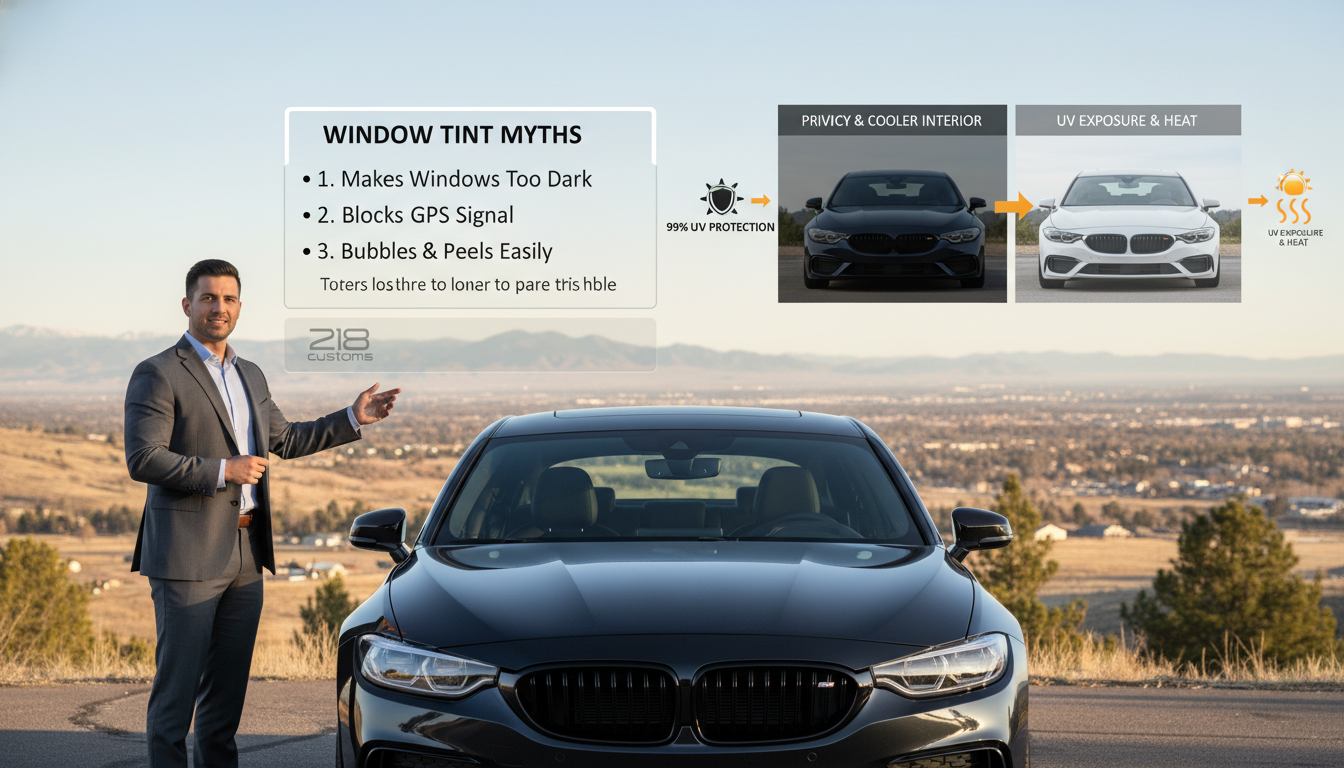
Many car owners don’t know the truth about window tinting. There are lots of wrong ideas out there. It’s key to know what’s real and what’s not. Learning about the laws and benefits of window tinting helps you make smart choices for your car.
Window tinting has many good points, like blocking UV rays and keeping your car cool. But, there are still myths about it being legal or effective. In this article, we’ll clear up the most common wrong ideas about window tinting.
Key Takeaways
- Window tinting laws vary significantly by state.
- High-quality tints can block up to 99% of UV radiation.
- Ceramic tint films offer excellent heat reduction and UV protection.
- Tint percentage is measured with a tint meter.
- Understanding Visible Light Transmission (VLT) is crucial for compliance.
The Real Purpose of Modern Vehicle Window Tinting
Today, window tinting does more than just look good. It protects and saves energy. The main reasons for using quality window film are its practical benefits.
Beyond Aesthetics: Functional Benefits of Quality Window Film
Modern window tinting has many advantages. It offers UV protection and heat reduction. These features make driving more comfortable and protect the car’s interior from UV damage.
For example, top-notch window films can block up to 99% of UV rays. This helps prevent skin cancer and stops interior fading. Also, new technologies like ceramic and carbon tint reject heat well without losing visibility.
How Window Tint Technology Has Evolved
Window tinting has changed a lot over time. Old tints were mostly dyed films that offered some UV protection but didn’t last long or perform well.
| Feature | Old Generation Films | Modern Films |
|---|---|---|
| UV Protection | Limited | Up to 99% |
| Heat Rejection | Poor | High Efficiency |
| Durability | Prone to Bubbling and Fading | Long-lasting |
The growth of window tint technology has brought about different types of films. Each has its own benefits. Knowing about these changes helps you choose the right tint for your car.
The Science Behind Window Tint Performance
Window tint uses advanced science to offer many benefits. These include UV protection and heat rejection. Today, there are many options for car owners.
How Different Window Film Technologies Work
Each window film technology works in its own way. For example, ceramic window films block heat and UV rays with ceramic particles. On the other hand, metalized films reflect solar radiation with metallic layers.
Measuring Window Tint Effectiveness
Understanding window tint effectiveness requires two key metrics. These are Visible Light Transmission (VLT) and heat rejection. VLT shows how much light the film lets through. Heat rejection shows how well it blocks solar heat.
Understanding VLT (Visible Light Transmission)
VLT is key in determining tint darkness. A lower VLT means a darker tint. This can offer more privacy but might make it harder to see at night.
Heat Rejection
Heat rejection is also vital. Good window films can block a lot of solar heat. This keeps the car cooler and cuts down on air conditioning use. For more on window tinting, visit https://218customs.com/window-tinting-2/.
Myth 1: Window Tint is Only for Privacy and Looks
Window tinting does more than just make your vehicle or home look good. It also offers many practical benefits. One key advantage is its ability to provide UV protection.
UV Protection and Skin Cancer Prevention
Window tinting can block up to 99% of harmful UV rays. These rays are a big cause of skin cancer and early aging. By cutting down UV exposure, tinting protects people inside and keeps surfaces from damage.
Interior Protection from Fading and Damage
UV rays can make interior surfaces fade and get damaged. This includes things like upholstery, carpets, and furniture. Window tinting blocks these rays, keeping surfaces looking good and lasting longer, which means you won’t have to spend a lot on repairs or replacements.
Energy Efficiency and Comfort Benefits
Window tinting also helps with energy use. It keeps your place cooler in summer and warmer in winter. This can save you money on energy bills and make your place more comfortable by keeping the temperature steady.
| Benefits | Without Window Tint | With Window Tint |
|---|---|---|
| UV Protection | Limited | Up to 99% |
| Interior Fading | Significant | Reduced |
| Energy Efficiency | Lower | Higher |
Knowing the many benefits of window tinting helps people make smart choices for their vehicles or homes.
Myth 2: All Window Tint Films Deliver Similar Results
The idea that all window tint films work the same is not true. The truth is, their performance changes a lot based on their type and quality.
Budget vs. Premium Film Performance Differences
Window tint films vary a lot, from cheap to expensive. Premium films give better UV protection, block more heat, and last longer. For example, a top ceramic film can block up to 99% of UV rays. But a cheaper one might only block 70%.
This big difference can really protect your car’s interior and your skin.
Ceramic vs. Dyed vs. Metalized Films
There are many kinds of window tint films, each with its own features. Ceramic films block heat and UV rays well without metal. Dyed films are cheaper but don’t perform as well. Metalized films use metal to reflect heat and UV rays, balancing cost and performance.
Longevity Comparisons
How long window tint films last can vary a lot. Premium films are made to last longer, often with 10-year warranties. But cheaper films might start to break down in a few years, losing their effectiveness and possibly bubbling or fading.
Performance in Extreme Conditions
Window tint films are tested in extreme temperatures. High-quality films keep working well in both very hot and very cold, ensuring protection and comfort. As an expert says, “A good window film should handle extreme temperatures without losing its strength.”
Choosing the right window tint film is key for your car’s comfort, safety, and energy use. Knowing the differences between film types helps you make a smart choice that fits your needs.
Myth 3: Darker Tint Always Means Better Protection
Many think a darker tint means better protection. But, the truth is more complex. While darker tints do shade better, they don’t always protect more.
The Disconnect Between Shade and UV/Heat Protection
People often believe darker tints block more UV and heat. But, the tint’s shade isn’t the only thing that matters. High-performance clear films can block UV and heat well, even if they’re not dark. These films reject solar energy and stay clear.
High-Performance Films
Clear window films block a lot of UV radiation, up to 99%. They also cut down on heat gain by reflecting the sun’s energy. Their success comes from advanced tech, not how dark they are. Some use ceramic or metallic coatings for their high performance.
Finding the Right Balance for Your Needs
Choosing a window tint needs careful thought. If you want top UV protection and heat blockage, clear films are great. But, if you want privacy or a darker look, there are tints for that too. The best tint balances protection, privacy, and visibility for you.
Understanding the difference between tint shade and protection helps you choose wisely. Whether you pick a clear or darker tint, make sure it’s from a trusted maker. Also, get it installed by a pro for the best results.
Myth 4: Window Tint Will Bubble and Turn Purple Within a Few Years
Many think window tint bubbles and changes color over time. But this is mostly true for older tints. They were more likely to have these problems.
Why Older Generation Films Failed
Older window tints were made with less advanced materials. This made them more prone to degrading, bubbling, or changing color. UV radiation, heat, and other factors sped up this process.
Modern Film Composition and Durability
Today’s window tints are much better than the old ones. They are made with new materials and technologies. This makes them less likely to bubble or change color.
Modern tints also block UV rays, protecting your car’s interior. The manufacturing process has improved, making tints more reliable and lasting longer.
Proper Maintenance to Prevent Degradation
Even though modern tints are durable, you still need to take care of them. Clean them regularly with the right materials. Avoid harsh chemicals to keep them looking good.
Following the manufacturer’s care instructions is key. This way, your window tint will last longer, without the problems of older tints.
In summary, the idea that window tint will bubble and change color quickly is a myth. Thanks to new technology, your tint can stay in great shape for many years. Just remember to take good care of it.
Myth 5: Window Tinting is Illegal or Heavily Restricted
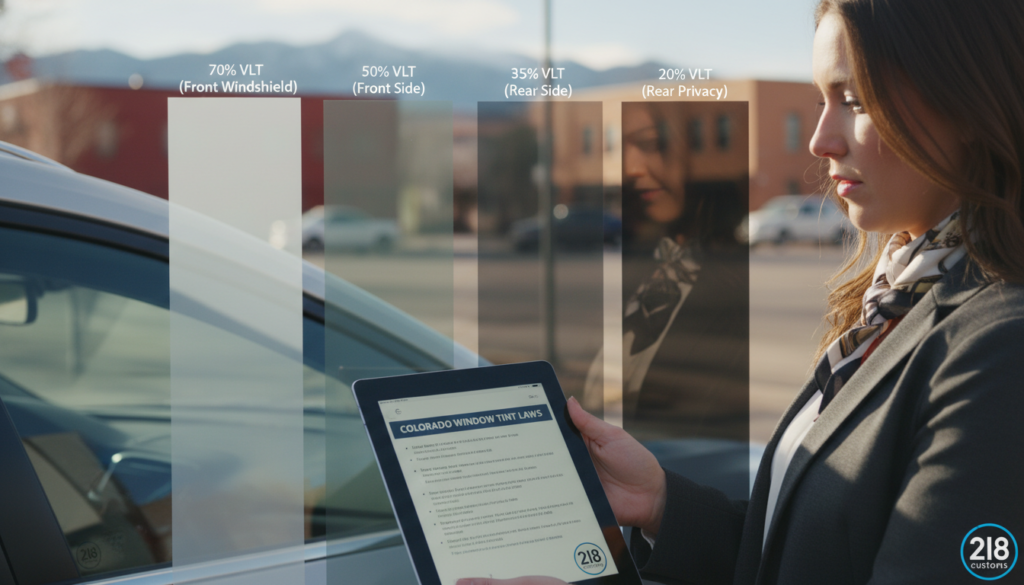
Window tinting laws vary a lot from state to state. Some places have strict rules about tint darkness and reflectivity. Others are more relaxed. It’s key for car owners to know these rules before tinting their windows.
Understanding State-Specific Regulations
Window tint laws are not the same everywhere in the U.S. For example, some states let you tint rear windows but not front ones. Always check your local laws before tinting your car windows. You can learn more about these laws on the window tinting myths and facts page.
Medical Exemptions for Darker Tints
In many places, people with certain health issues can get special permits for darker tints. These issues might include being very sensitive to UV light or having skin problems that need extra protection. To get this permit, you usually need a doctor’s note.
Legal Options That Still Provide Benefits
Even if you can’t get very dark tints in your state, there are still good choices. For example, high-performance window films that block UV and infrared light but aren’t too dark are available. These films can protect and make your car more comfortable without breaking the law. Some benefits include:
- UV protection for skin and interior
- Reduced heat gain
- Glare reduction
By picking the right tint, you can get these benefits while following the law.
Myth 6: Professional Installation Isn’t Worth the Extra Cost
Many think professional installation is too expensive. But it offers benefits that DIY can’t. The quality of installation greatly affects how well the tint works and lasts.
Common DIY Installation Pitfalls
DIY tinting kits are easy to find, but they come with problems. Issues like air bubbles, uneven application, and wrong sizes are common. These problems can make the tint look bad and not work as well.
Air bubbles can distort your view. Uneven application can cause the tint to peel off early. These are just a few reasons why DIY might not be the best choice.
The Technology Behind Professional Application
Professionals use special tools and skills for perfect tinting. They know how to fit different tints on various windows. This ensures a precise fit and less waste.
They also know how important it is to clean and prepare the window. This is key for a bubble-free job. A study shows that proper installation makes the tint last longer and work better https://www.ucoolzkulai.com.my/7-common-myths-about-window-tinting-debunked/.
Long-term Value Comparison
DIY might seem cheaper at first, but it’s not as good in the long run. A tint installed by a pro lasts longer and looks better for years. DIY tints might need to be replaced often, costing more over time.
Choosing professional installation means saving money in the long term. It also means you can relax knowing your tint is done right.
In short, the extra cost for professional installation is worth it. It ensures quality, durability, and performance. As the saying goes, “you get what you pay for.” Professional installation means better results and long-term satisfaction.
Myth 7: Window Tint Makes Night Driving Dangerous
Many think window tint makes night driving risky. But is this true? Modern window tint tech is made to keep visibility good, even at night.
Visibility Facts With Modern Window Films
Today’s window tint has improved a lot. It lets in more light while still offering UV protection and cooling. This means you can see better and stay safe.
How Quality Tint Affects Light Perception
The quality of the tint is key for night driving. Top-notch tints keep your view clear. This way, you can drive safely without any issues.
Adaptation Period for New Tint
Getting used to a new tint might take a little time, mainly at night. But, most people adjust fast. Soon, you’ll get used to the tint and drive safely.
The Most Persistent Window Tint Myths in the Industry
Window tinting has become very popular. But, with its rise, many myths have come up. It’s important to clear up these myths to know the real benefits and limits of window tinting.
Myth: Tint Interferes With Electronics and Signals
Many think window tint messes with electronic devices and signals. But, most modern window tints are made to be clear to electronics. This means your devices will keep working right.
Myth: You Can’t Roll Down Windows After Installation
Some believe you can’t roll down your windows after tinting. But, this is not true. You can still roll down your windows, but wait a few days first. This lets the tint stick well.
Myth: Tint Voids Vehicle Warranties
Some think tinting your windows voids your car’s warranty. While some warranties might have rules about changes, many makers are okay with tinting. As long as it’s done right.
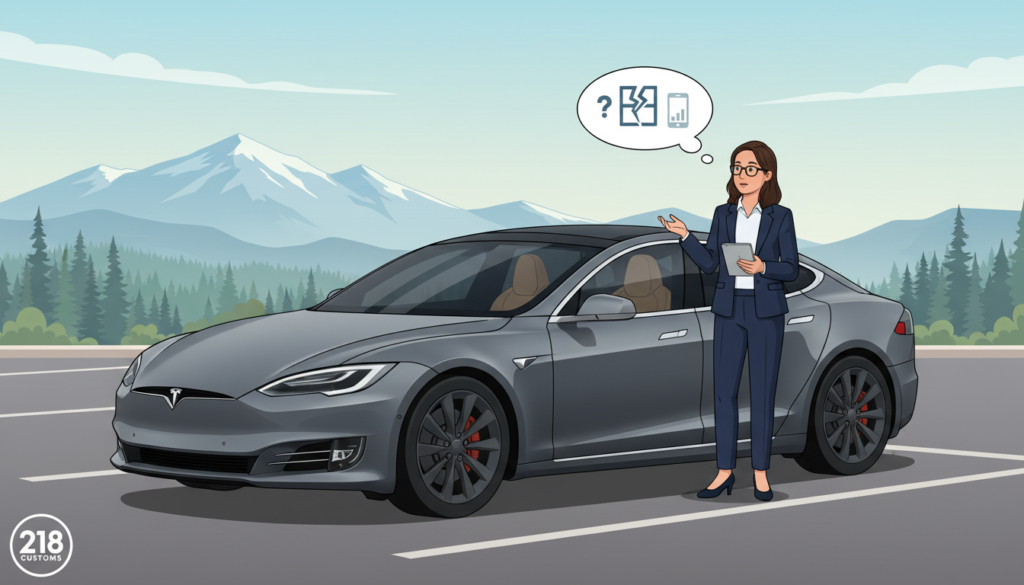
Knowing these myths helps you make better choices about window tinting. Always talk to experts and pick top-notch products. This way, you get the good stuff without the bad.
How to Evaluate Window Tint Claims and Promises
When you’re thinking about window tint for your car, it’s key to know what’s real and what’s not. The window tint world is full of big claims and promises. This makes it hard for people to choose wisely.
Red Flags in Window Tint Marketing
Watch out for window tint sellers or installers who make too-good-to-be-true promises. Unrealistic promises like “lifetime guarantee” or “100% UV protection without testing data” should raise a red flag. Look for products with documented testing and certification to support their claims.
Certifications and Standards That Matter
Good window tint products usually have certifications from trusted third-party groups. For example, look for tints that meet ISO standards or have been tested by reputable laboratories. These signs show the product’s quality and how well it works.
Questions to Ask Your Installer
Before you get your window tint installed, ask your installer about the product’s details, how it’s installed, and the warranty. Important questions are: “What’s the tint’s expected life?” and “Can you show me proof of the product’s performance claims?”
By being well-informed and careful, you can make a better choice when picking a window tint product.
Conclusion: Making Informed Decisions About Window Tinting
Understanding window tinting helps car owners make informed decisions for better driving. We’ve cleared up common myths about window tinting. This shows its many window tinting benefits, like UV protection and energy saving.
We’ve also shown that not all window tints are the same. The film quality, technology, and installation matter a lot. They affect how well and long the tint lasts.
With this knowledge, people can choose the right window tinting for their cars. Whether you want to improve your car’s look, function, or just make a smart choice, knowing the truth about window tinting is essential.