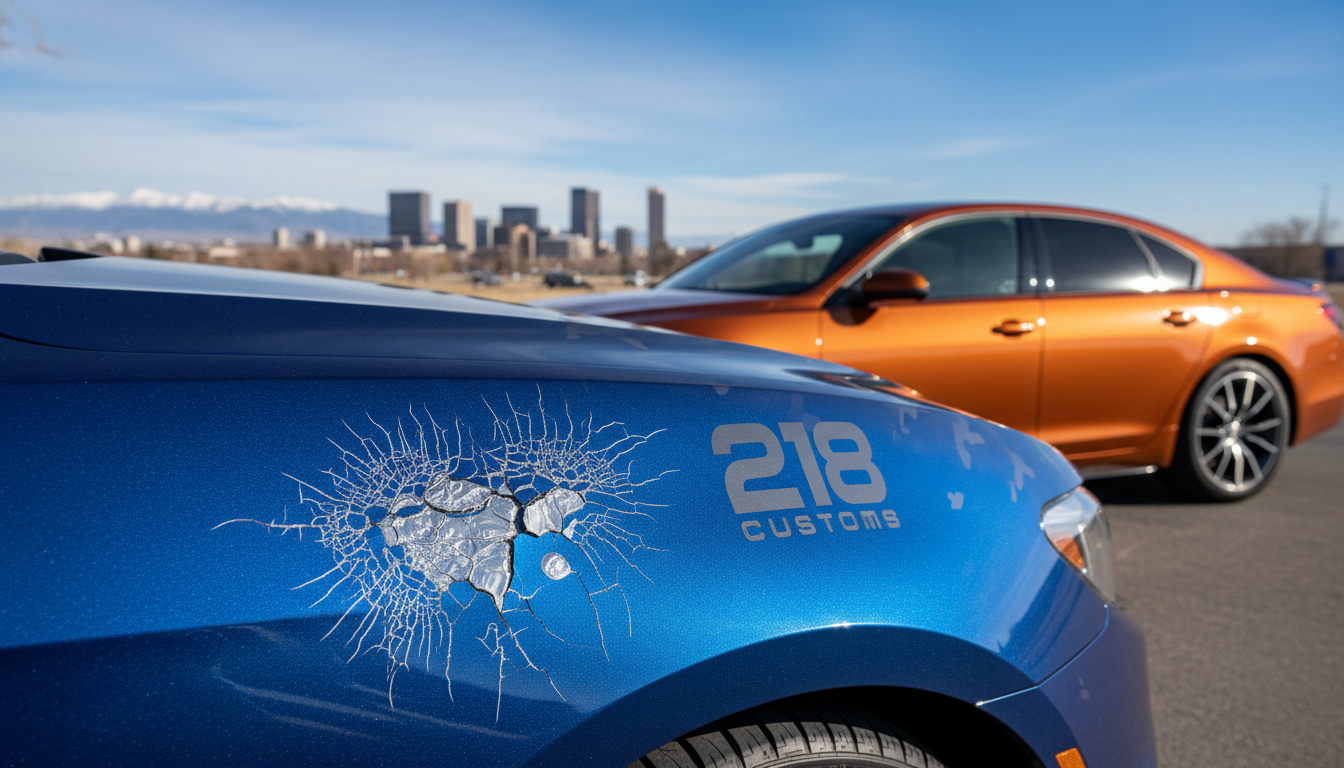
Many car owners choose vinyl wraps and Paint Protection Film (PPF) to protect and customize their vehicles. But, these choices can be affected by environmental factors. Knowing how different conditions impact vinyl wraps is key to keeping them looking good and lasting longer.
UV radiation, extreme temperatures, and moisture can harm vinyl wraps. For example, living in sunny or cold areas can make them wear out faster. To find out how to make your car wrap last longer, check out our guide on how long a car wrap lasts.
Key Takeaways
- UV radiation can cause significant fading and degradation.
- Extreme temperatures affect the durability of vinyl wraps.
- Moisture exposure can lead to damage and peeling.
- Regular maintenance is crucial for extending wrap life.
- Professional installation can mitigate environmental wear.
Understanding Vehicle Protection Films and Wraps
Vehicle protection films and wraps can keep your car’s paint safe and make it look cool. They’re popular because they protect and enhance your car’s look.
What is Paint Protection Film (PPF)?
Paint Protection Film, or PPF, is a clear shield for your car’s paint. It guards against chips, scratches, and more. PPF is made from a tough, self-healing material that stands up to the elements.
What are Vinyl Vehicle Wraps?
Vinyl wraps are vinyl sheets that change your car’s look or show off a brand. They come in many colors, finishes, and designs. Vinyl wraps also protect against small scratches.
Key Differences Between PPF and Vinyl Wraps
PPF and vinyl wraps serve different purposes. PPF protects, while vinyl wraps are for looks. Here’s what sets them apart:
- Purpose: PPF protects, while vinyl wraps are for style.
- Appearance: PPF is clear, while vinyl wraps have colors and designs.
- Durability: PPF is more durable than vinyl wraps.
Knowing these differences helps you choose the right option for your car’s protection and style.
Environmental Effects on Vinyl Wrap and PPF Materials
Environmental exposure can greatly affect the durability and look of vinyl wraps and Paint Protection Film (PPF). Knowing these effects is key to keeping them in good shape for a long time.
Material Composition of Modern Wraps and PPF
Today’s vinyl wraps and PPF are made from advanced materials. Vinyl wraps are usually PVC with an adhesive backing. PPF is made of a flexible, impact-resistant thermoplastic urethane material.
The type of material used in these products is very important. The thickness and quality of vinyl or PPF can impact how well they handle environmental stressors.
How Environmental Factors Trigger Chemical Changes
UV radiation, temperature changes, and moisture can cause vinyl wraps and PPF to change chemically. UV radiation, for example, can make them fade and lose their protective abilities over time.
Temperature changes can also affect how well the adhesive sticks. High temperatures can make the adhesive too strong, causing issues like bubbling or peeling. Low temperatures can make the materials brittle and prone to cracking.
Adhesive Systems and Environmental Vulnerability
The adhesives in vinyl wraps and PPF are made to last. But, they can still be affected by environmental stressors. Exposure to chemicals and pollutants can weaken the adhesive, leading to delamination or other problems.
To understand how vinyl wraps and PPF compare in terms of environmental vulnerability, let’s look at the following table:
| Environmental Factor | Vinyl Wrap | PPF |
|---|---|---|
| UV Radiation | Prone to fading and degradation | More resistant to UV damage |
| Temperature Fluctuations | Can become brittle or sticky | Generally more stable |
| Chemical Exposure | Vulnerable to certain chemicals | More resistant to chemicals |
For a more detailed comparison between vinyl wraps and paint, you can refer to this article.
In conclusion, it’s important to understand how environmental factors affect vinyl wraps and PPF. By considering material composition, environmental exposure, and adhesive systems, you can make a smart choice that meets your needs.
UV Radiation and Sun Exposure Impact
Sun exposure, mainly UV radiation, is key in breaking down vinyl wraps and PPF. This part will look at how UV radiation harms these materials. It will also cover how sun intensity changes across the US and the effects on color and material.
How UV Damages Vinyl and PPF Materials
UV radiation breaks down the molecules in vinyl wraps and PPF. This leads to color fading, cracking, and a loss of elasticity. The damage’s extent depends on UV’s intensity and how long it lasts.
Regional Sun Intensity Variations Across the US
UV radiation’s strength varies across the US. Places near the equator and at high elevations get more UV. For example, Arizona and Florida get more UV than northern states.
Color Fading and Material Degradation Patterns
UV exposure causes color fading in vinyl wraps and PPF. The fading rate depends on the material’s UV resistance and sun exposure. UV also makes materials brittle, leading to cracking and more damage.
| Material Type | UV Resistance | Color Retention | Degradation Rate |
|---|---|---|---|
| Standard Vinyl Wrap | Low | Poor | High |
| UV-Resistant Vinyl Wrap | High | Good | Low |
| PPF with UV Protection | Very High | Excellent | Very Low |
Temperature Extremes and Thermal Cycling
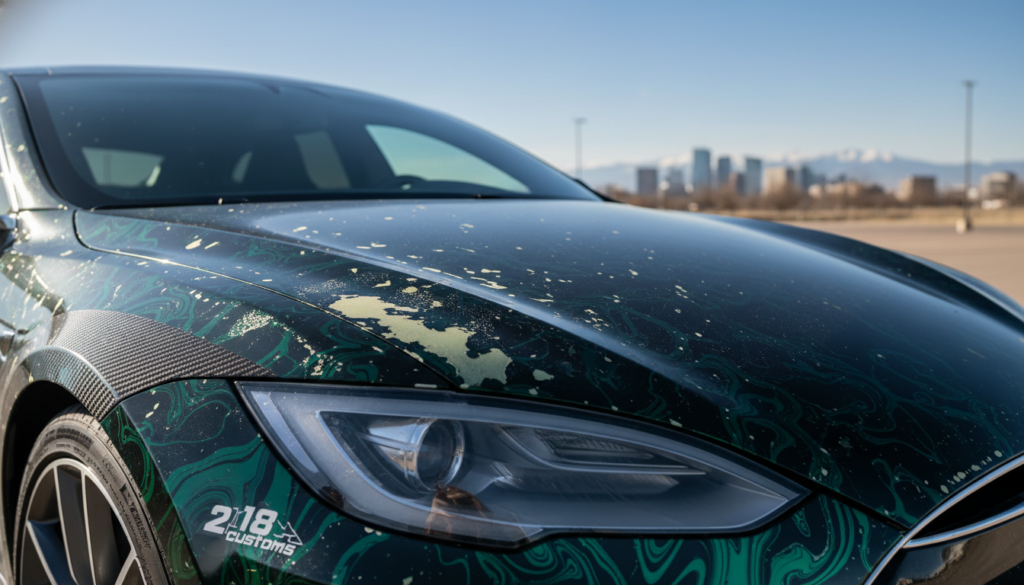
Temperature changes can harm the look and durability of vinyl wraps and Paint Protection Films (PPF). These materials expand and contract with the weather, causing stress. This stress can weaken their structure.
Heat Effects on Wrap Adhesion and Elasticity
High heat makes vinyl wraps softer, which can hurt their stickiness to the car. This softness can cause the wrap to lose its tightness. It becomes more likely to peel or bubble.
Long-term heat exposure also weakens the adhesive. This makes the wrap’s stickiness even worse.
Cold Weather Challenges for Vehicle Wraps
Cold weather makes vinyl wraps and PPF brittle, making them more prone to cracking. The material’s reduced flexibility can also cause it to contract. This can lead to edge lifting or other damage.
Expansion and Contraction Stress on Materials
Temperature changes cause vinyl wraps and PPF to expand and contract repeatedly. This stress can lead to material fatigue. It affects the wrap’s longevity and appearance.
To fight these issues, consider your area’s weather. Protect your vinyl wrap or PPF with the right care. Regular checks can spot problems early, keeping your car looking good.
Moisture, Humidity and Precipitation Factors
Moisture, like rain and humidity, greatly affects how long vehicle wraps and protective films last. It impacts both their looks and how well they protect. This is true for vinyl wraps and PPF.
Rain and Water Exposure Consequences
Rain and water can cause problems with vinyl wraps and PPF. Issues include water spots and delamination. Water spots happen when minerals in the water dry on the surface, leaving marks. Delamination occurs when water gets between the wrap and the paint, making the adhesive lose its grip.
To avoid these problems, dry the vehicle often, after rain or washing. Use a microfiber towel and avoid strong washes to prevent damage.
Key consequences of rain and water exposure include:
- Water spots
- Delamination
- Adhesive degradation
Snow, Ice and Winter Maintenance Chemicals
Winter brings extra challenges for vinyl wraps and PPF, like snow, ice, and de-icing chemicals. These can harm the material from the inside.
For example, road salt can corrode wrap edges if not cleaned well. Wash the vehicle often in winter and use gentle cleaners that won’t harm the wrap or film.
For more tips on keeping your car wrap safe in harsh weather, check out VinylFrog’s guide on car wrap longevity in Florida.
High Humidity Environments and Adhesive Performance
High humidity can weaken the adhesive of vinyl wraps and PPF. Moisture can get into the material, making the bond between the wrap and the vehicle’s surface weaker.
In humid areas, make sure the wrap or film is installed right, with no air bubbles or lifted edges. Regular checks can spot problems early.
To keep adhesive strong in humid places:
- Ensure proper installation
- Regularly inspect for signs of lifting or delamination
- Keep the surface clean and dry
Chemical Exposure and Pollution Effects
Chemicals and pollution can harm vinyl wraps and PPF if not handled right. These factors can shorten the life and look of vehicle wraps and protective films.
Road Salt and De-icing Chemicals
Road salt and de-icing chemicals are used in winter to keep roads safe. But, they can damage vinyl wraps and PPF, causing harm and color changes. It’s important to clean and maintain them regularly to fight off these effects.
Industrial Fallout and Air Pollution
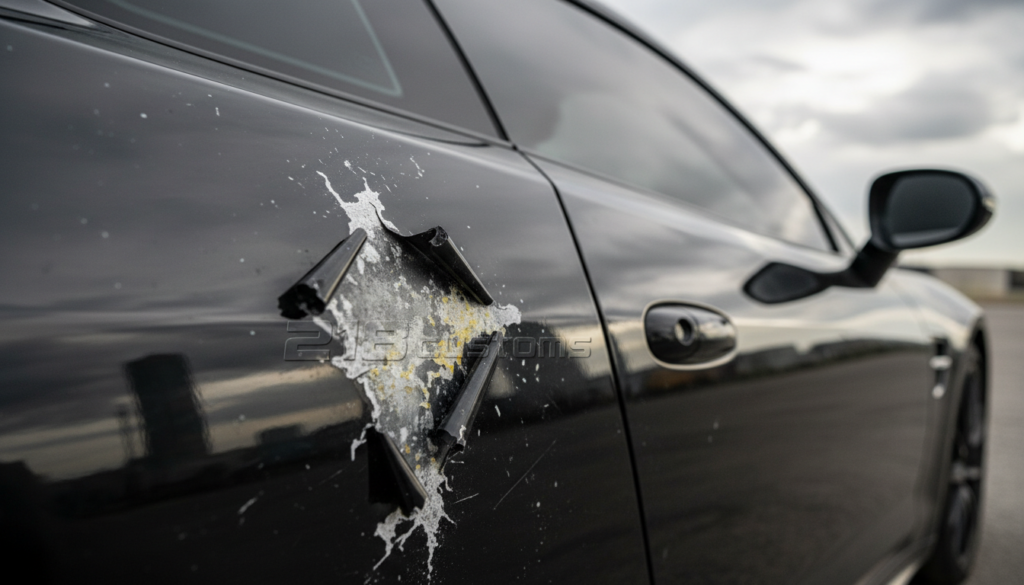
Industrial fallout and air pollution can also harm vinyl wraps and PPF. Air pollutants can settle on the surface, leading to contamination and damage. Washing them often and using protective coatings can help lessen the damage.
Fuel, Oil and Automotive Fluid Spills
Fuel, oil, and other car fluids can spill on vehicles, risking vinyl wraps and PPF. These spills can stain, change color, and weaken the material. Quick cleaning and protective steps can prevent lasting damage.
Knowing the dangers of chemical exposure and pollution helps car owners protect their vinyl wraps and PPF. This way, they can keep them in good shape for longer.
Physical Damage from Environmental Elements
Environmental factors can harm vinyl wraps and Paint Protection Films (PPF) a lot. Road debris, sand, dust, and organic matter can cause many problems. These issues affect how they look and last over time.
Road Debris and Gravel Impact
Road debris and gravel can scratch and chip vinyl wraps and PPF. The fast impact of these particles can damage them a lot. This is true, mainly on highways and roads with loose gravel.
This damage can make the wrap or film more likely to get worse.
Sand, Dust, and Abrasive Particles
Sand, dust, and other abrasive particles can also harm vinyl wraps and PPF. They can scratch and wear down the material’s surface. This makes it look dull and can let moisture and contaminants in.
Tree Sap, Bird Droppings, and Organic Matter
Tree sap, bird droppings, and other organic matter can damage vinyl wraps and PPF too. These substances can etch into the material’s surface. This causes discoloration and damage.
If not cleaned, these substances can permanently harm the wrap or film. This might need expensive repairs or a new one.
To fight environmental damage on vinyl wraps and PPF, it’s key to act early. Regular washing and care can remove debris and contaminants. Applying a protective coating can also add extra protection against the elements.
Knowing the risks and taking steps to prevent them can help. Vehicle owners can keep their vinyl wraps and PPF in good shape. This ensures long-term protection and keeps them looking great.
Identifying and Preventing Environmental Damage
Vinyl wraps and PPF can last longer if you take care of them. But, they can fade, crack, or lose their stickiness because of the environment.
Early Warning Signs of Material Degradation
Knowing the first signs of damage is key. Look out for color changes, bubbles, and peeling. Catching these early can save your wrap or PPF.
Proper Maintenance Routines by Climate Type
Every climate needs its own care plan. In sunny places, protect from UV rays. In cold areas, guard against ice and salt. The right cleaning can make your wrap or PPF last longer.
Professional Inspection and Repair Options
Regular upkeep is important, but so is getting a pro to check and fix things. They can spot problems early and fix them right. For big issues, a pro is your best bet.
When to Seek Professional Help
If your wrap or PPF looks bad and you can’t fix it yourself, get help. Experts have the skills and tools to fix it right.
Partial Replacement vs. Full Replacement
Deciding between fixing part or all of it depends on the damage. Small issues might just need a patch, but big ones might mean a whole new wrap. A pro can help decide what’s best.
For more on car wrap costs, check out 218customs.com. They have a detailed guide on prices.
Conclusion: Protecting Your Investment Against Environmental Challenges
It’s important to know how the environment affects vinyl wraps and Paint Protection Films (PPF). Things like UV rays, extreme temperatures, moisture, and chemicals can harm them. This can shorten the vinyl wrap lifespan and make them less sustainable.
To keep your vehicle’s wrap looking good, take care of it regularly. Wash it by hand with mild soap and water. Dry it with a microfiber cloth. Applying a ceramic coating can also help.
Stay away from automatic car washes and high-pressure water. These can damage your wrap. By choosing quality wraps, getting them installed right, and caring for them, you can keep your car looking great. Taking steps to fight environmental damage will help your vehicle last longer.