
As a car owner, you know how vital it is to protect your vehicle’s paint. Two top choices are Paint Protection Film and Ceramic Coating. But can you put one over the other?
It’s not wise to put Paint Protection Film over Ceramic Coating. Many experts say it can cause sticking problems and reduce how well both work. We’ll look into why this is and talk about the best ways to shield your car’s paint.
Knowing the differences between Paint Protection Film and Ceramic Coating is key. Both protect your car, but they do different things and need different care.
Key Takeaways
- Applying Paint Protection Film over Ceramic Coating is not recommended.
- Both products offer protection, but serve distinct purposes.
- Understanding the differences is crucial in making an informed decision.
- Adhesion issues can arise when applying PPF over Ceramic Coating.
- Proper application is key to ensuring the effectiveness of both products.
Understanding Paint Protection Film (PPF) and Ceramic Coating
The world of car protection is led by two main players: Paint Protection Film (PPF) and ceramic coating. Both aim to shield a car’s paint, but they do it in different ways. They each bring their own set of benefits.
What is Paint Protection Film?
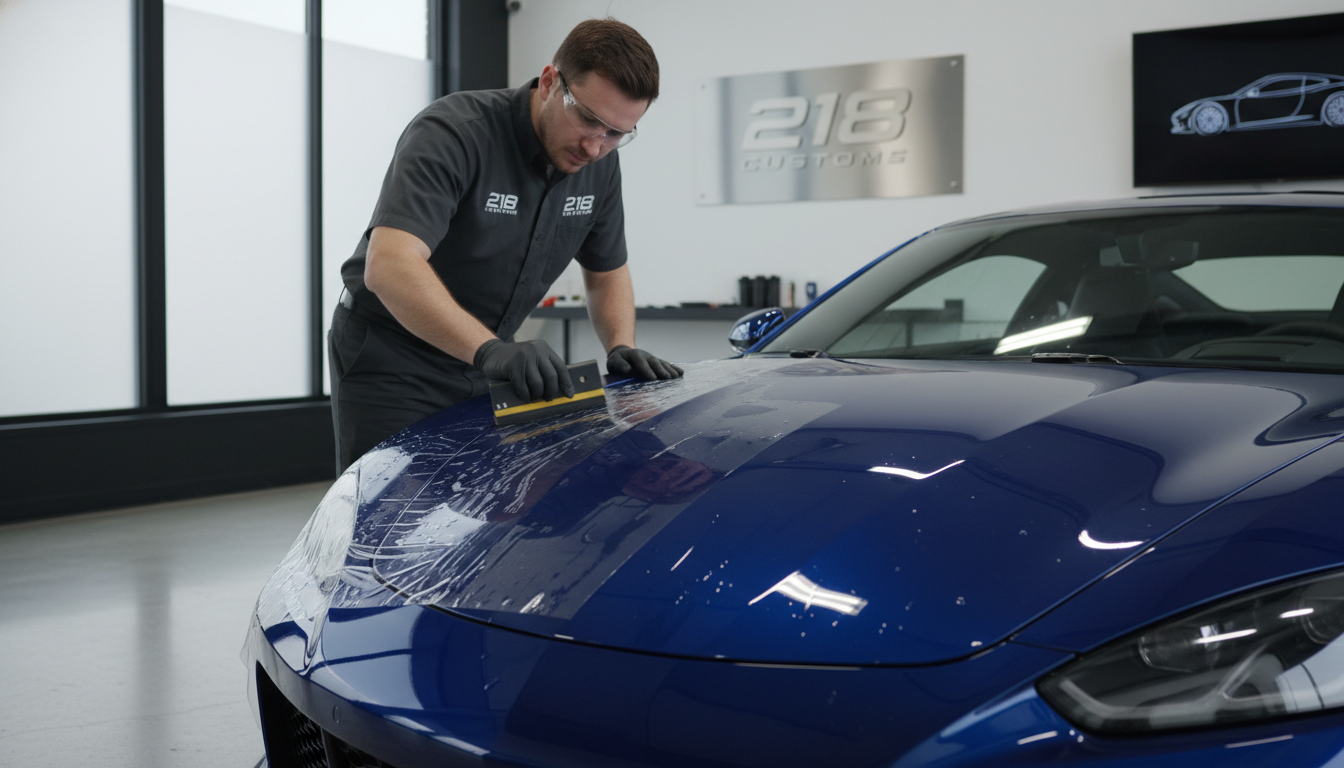
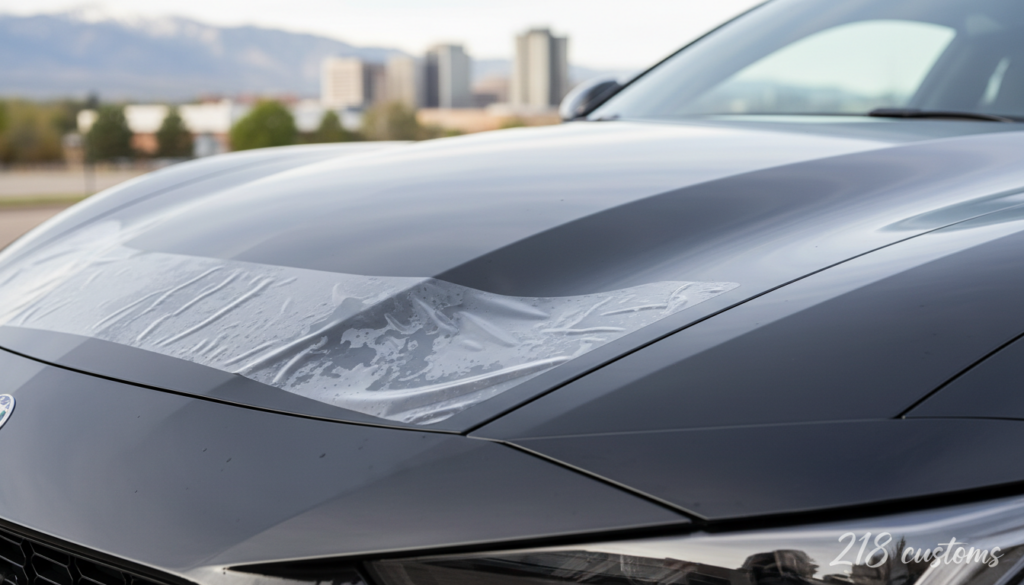
Paint Protection Film is a thin, clear film put on a car’s paint. It guards against damage like rock chips, scratches, and bug splatters. It’s often applied to areas at high risk, like the front bumper, hood, and side mirrors.
What is Ceramic Coating?
Ceramic coating is a liquid polymer that sticks to the paint, forming a protective layer. It shields against chemical damage, UV rays, and minor scratches. It’s also known for repelling water and dirt, thanks to its hydrophobic properties.
Primary Functions of Each Protection Method
PPF’s main job is to soak up physical impacts, saving the paint from damage. On the other hand, ceramic coating protects the paint from chemicals and the environment. While PPF focuses on physical defense, ceramic coating boosts the paint’s durability and upkeep.
Knowing the differences between PPF and ceramic coating is key for car owners. It helps them choose the best protection for their vehicle.
The Science Behind PPF Over Ceramic Coating
Understanding how PPF and ceramic coating work together is key to protecting your vehicle. The way these materials interact can greatly affect their performance and how long they last.
Chemical Compatibility Factors
It’s important to know if PPF and ceramic coating can mix well. Some ceramic coatings might not stick well to PPF. Choosing a ceramic coating that works with PPF is crucial for a strong bond.
Adhesion Properties of PPF
PPF sticks better to some surfaces than others. Ceramic coatings can change the surface energy, which might affect how well PPF sticks. Knowing this is key for a good application.
How Ceramic Coatings Affect Surfaces
Ceramic coatings make surfaces water-repellent, which helps PPF last longer. But, the type of ceramic coating used matters a lot. Below is a table showing how different coatings affect PPF adhesion.
| Ceramic Coating Type | Effect on PPF Adhesion |
|---|---|
| Type A | Strong Adhesion |
| Type B | Moderate Adhesion |
| Type C | Weak Adhesion |
Can You Apply PPF Over Ceramic Coating?
Car owners are looking for the best way to protect their vehicles. They wonder if they can put PPF over ceramic coating. This section will explore the technical aspects, what manufacturers say, and how it works in real life.
Technical Considerations
Putting PPF over ceramic coating has its technical challenges. The main issue is how well both products stick to the car’s paint. Ceramic coatings bond strongly with the paint. PPF is made to stick to surfaces. It’s important to make sure they work well together to avoid sticking problems.
Manufacturer Recommendations
It’s key to check what the makers say about using PPF over ceramic coating. Some might have special rules or warnings. For example, some ceramic coating makers might say not to use PPF on top because of sticking issues.
For more info on PPF and ceramic coating, visit https://www.clearpro.com/ppf-over-ceramic-coating/.
Real-World Application Results
Results from using PPF over ceramic coating vary. Some people say it works well, while others face problems. It’s important to apply it right and use the right products. The quality of the application greatly affects how well both PPF and ceramic coating work.
By knowing the technical stuff, what manufacturers say, and what happens in real life, car owners can make smart choices about using PPF over ceramic coating.
Common Misconceptions About Combining PPF and Ceramic Coating
Many car lovers are into using PPF and ceramic coating together. But, there are a lot of wrong ideas about how these protectors work together.
Myth: Ceramic Coating Makes PPF Unnecessary
Some think ceramic coating is enough, so PPF is not needed. But, PPF protects against scratches and rock chips better than ceramic coating. Ceramic coating, on the other hand, makes cleaning easier because it repels water.
Myth: Combined Products Always Cause Adhesion Issues
It’s true that mixing PPF and ceramic coating can lead to sticking problems. But, this doesn’t happen all the time. If you apply them right and use the right products, you can avoid these issues. Always follow the instructions from the makers of these products.
Myth: DIY Application Is Just as Effective as Professional Installation
Some people think doing it themselves is as good as a pro. But, a pro can do it better. They have the skills and tools to make sure it’s done right. This means you get the most out of your car’s protection.
Benefits of Applying PPF Over Ceramic Coating
Using Paint Protection Film (PPF) over ceramic coating brings many advantages. It offers better protection, makes both products last longer, and looks great. This combo shields your car from the environment and road debris.
Enhanced Protection Capabilities
PPF’s main benefit is its extra protection. It takes hits from road debris, saving your paint and ceramic coating. This is key for areas like the front bumper and hood.
Extended Longevity of Both Products
PPF and ceramic coating work well together. The ceramic coating makes cleaning easier, which helps the PPF last longer. The PPF, in turn, guards the ceramic coating from damage.
Aesthetic Advantages
PPF also makes your car look better. It adds a glossy finish that makes your vehicle stand out. The ceramic coating keeps water and dirt away, keeping your car looking new.
So, using PPF over ceramic coating is a smart choice. It gives your car top-notch protection and a shiny, lasting finish.
Potential Drawbacks and Challenges
Using PPF and ceramic coating together can protect your car well. But, it’s important to know the possible downsides. The application process has its own challenges that need to be handled right for success.
Adhesion Issues to Consider
Applying PPF over ceramic coating might face adhesion problems. If the ceramic isn’t ready or the PPF isn’t applied right, it can cause bubbles or peeling. It’s key to have a clean and ready surface.
Installation Complications
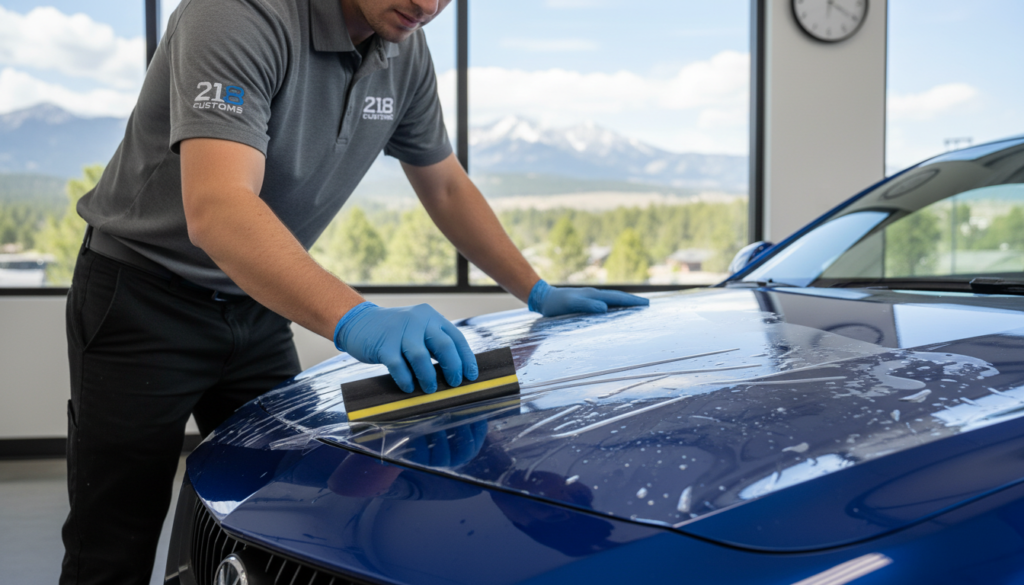
Installing PPF over ceramic coating is complex and needs skill. If done wrong, it can cause air bubbles, wrinkles, and unevenness. It’s best to let a pro handle it to avoid these issues.
Cost Implications
The cost of using PPF and ceramic coating together is another thing to think about. Both are high-end products, making the total cost high. Weigh the cost against the protection benefits and consider the long-term value.
The Reverse Approach: Ceramic Coating Over PPF
Applying ceramic coating over PPF is a new trend in vehicle protection. It combines PPF’s top-notch protection with ceramic coating’s water-repelling and shiny effects.
Benefits of This Alternative Method
One big advantage of using ceramic coating over PPF is better protection against dirt and water. The coating makes it easier to keep your car clean and shiny.
This combo might also make both products last longer. The ceramic coating shields the PPF from UV rays and harmful chemicals. The PPF, in turn, protects the car from small scratches and bumps.
Application Process
Applying ceramic coating over PPF needs careful steps. First, make sure the PPF is installed right and has no flaws. Then, clean the surface well before applying the coating.
Professional installation is key to get the best results. It ensures the coating goes on smoothly and works well with the PPF.
Long-Term Performance
The mix of PPF and ceramic coating works well over time. The coating keeps water away, and the PPF guards against scratches and chips.
But, you still need to take care of both to keep them going strong. Use gentle cleaners and avoid harsh chemicals to help them last longer.
Best Practices for Combining PPF and Ceramic Coating
To get the best results, knowing how to apply PPF over ceramic coating is key. You need to understand the right order of application, how long to wait between steps, and whether to do it yourself or get a pro.
Recommended Application Sequence
When combining PPF and ceramic coating, the order matters. Ceramic coating is applied first to the paint. Then, PPF goes over it once it’s dry. This way, the ceramic coating makes a smooth surface for the PPF to stick to.
Curing Times Between Applications
Waiting the right amount of time between applications is crucial. The ceramic coating must dry fully before adding PPF. This can take a few hours to a few days, depending on the product and the environment.
Professional vs. DIY Considerations
While you can install it yourself, getting a professional to do it is best. Pros have the skills and tools to apply it perfectly, avoiding mistakes like air bubbles or wrong placement.
By following these tips, you can protect your car’s paint better. You’ll get the best of both worlds with PPF and ceramic coating.
Vehicle-Specific Considerations
When thinking about using Paint Protection Film (PPF) with ceramic coating, it’s important to consider your car’s details. The car’s age, paint condition, and type can greatly impact how well these protective layers work.
New vs. Used Vehicles
New cars have a clean paint job that’s perfect for protective coatings. PPF and ceramic coating can keep them safe from the environment and road debris for a long time. But, older cars might have paint issues that need fixing before applying any protective films.
New Vehicles
For new cars, keeping the paint in top shape is key. PPF can shield against scratches and chips, while ceramic coating adds extra protection against UV rays and dirt.
Used Vehicles
Older cars need a closer look before applying PPF or ceramic coating. Any paint damage or imperfections must be fixed first.
Paint Type and Condition Factors
The paint type and condition of your car are important for choosing PPF and ceramic coating.
Paint Type Considerations
Each paint type, like matte or metallic, has its own needs. For example, matte finishes need special PPF that won’t change their look.
Paint Condition Assessment
The paint’s state, like swirl marks or fading, can affect how you apply protective coatings. Sometimes, you need to fix the paint before adding protection.
Special Considerations for Exotic and Luxury Vehicles
Exotic and luxury cars often have special paint jobs that need extra care.
Unique Paint Finishes
Cars with special paints, like iridescent or color-shifting, might need custom PPF. This ensures the film works well with these unique finishes.
High-Value Vehicle Considerations
For expensive cars, using PPF and ceramic coating is about more than just protection. It’s also about keeping the car looking great and its value high. Getting a professional to install these coatings is usually the best choice.
In summary, it’s vital to think about your car’s specific needs when deciding on PPF and ceramic coating. Things like the car’s age, paint type, and condition, and if it’s an exotic or luxury model, all matter. Knowing these details helps car owners make the best choice for their vehicle’s protection.
By understanding these factors, car owners can make informed decisions that ensure their vehicle receives the best possible protection.
Maintenance Requirements for Combined Protection
Using PPF and ceramic coating together gives your car top-notch protection. But, you need to follow a special care routine. This ensures both layers work well for a long time.
Washing and Cleaning Protocols
Washing your car regularly is key to keeping PPF and ceramic coating in good shape. Use a mild, pH-balanced car shampoo. This helps avoid harming the protective layers.
Don’t use high-pressure washes near the PPF edges. This can lift the film.
Recommended Products
For cleaning, choose microfiber towels. They’re soft on your car’s surface. Stay away from harsh household cleaners or rough materials. They can scratch or wear down the PPF and ceramic coating.
| Product Type | Recommended Brand | Usage |
|---|---|---|
| pH-Balanced Shampoo | Meguiar’s | Washing |
| Microfiber Towels | Chemical Guys | Drying |
| Ceramic Coating Booster | Gtechniq | Maintenance |
Long-Term Care Strategies
Regular checks are important to spot any problems early. Reapply ceramic coating when it’s needed to keep it working well. For PPF over ceramic coating, fix any issues quickly. This prevents damage to the ceramic coating underneath.
By sticking to these care tips, your car’s protective layers will stay effective. This keeps your car looking great and in top condition.
Real-World Durability and Performance
Car owners want their vehicles to last long. Using PPF and ceramic coating together helps a lot. These two protect against many dangers.
Expected Lifespan of Combined Protection
With the right care, this combo can last for years. PPF can last up to 5-7 years. Ceramic coating usually lasts 2-5 years. Together, they offer extended protection against UV, scratches, and chemicals.
Performance in Extreme Conditions
This combo shines in harsh weather. The ceramic coating keeps water and dirt off. PPF spreads out impacts, saving the paint from damage.
Signs That Indicate Replacement Needs
Look out for signs like tears in PPF or less hydrophobic coating. Catching these early means your car stays protected.
Conclusion
Using Paint Protection Film (PPF) over ceramic coating is a good choice. But, it’s important to talk to a pro to make sure it’s done right. SunTek Paint Protection Film, used by 218 Customs, is a strong option. It’s 8 mils thick, self-healing, and keeps water away.
This combo protects against scratches, chips, and UV damage. It keeps your car looking new and its value high.
Applying ceramic coating over PPF is even better. It makes your car water-repellent and easier to clean. To get the best results, follow the right steps for applying and caring for it. Wash and wax your car regularly and avoid harsh chemicals.
For more details on PPF, check out 218 Customs’ PPF page.
Knowing the pros and cons of PPF and ceramic coating helps you protect your car well. With the right care, your car will stay beautiful and valuable.