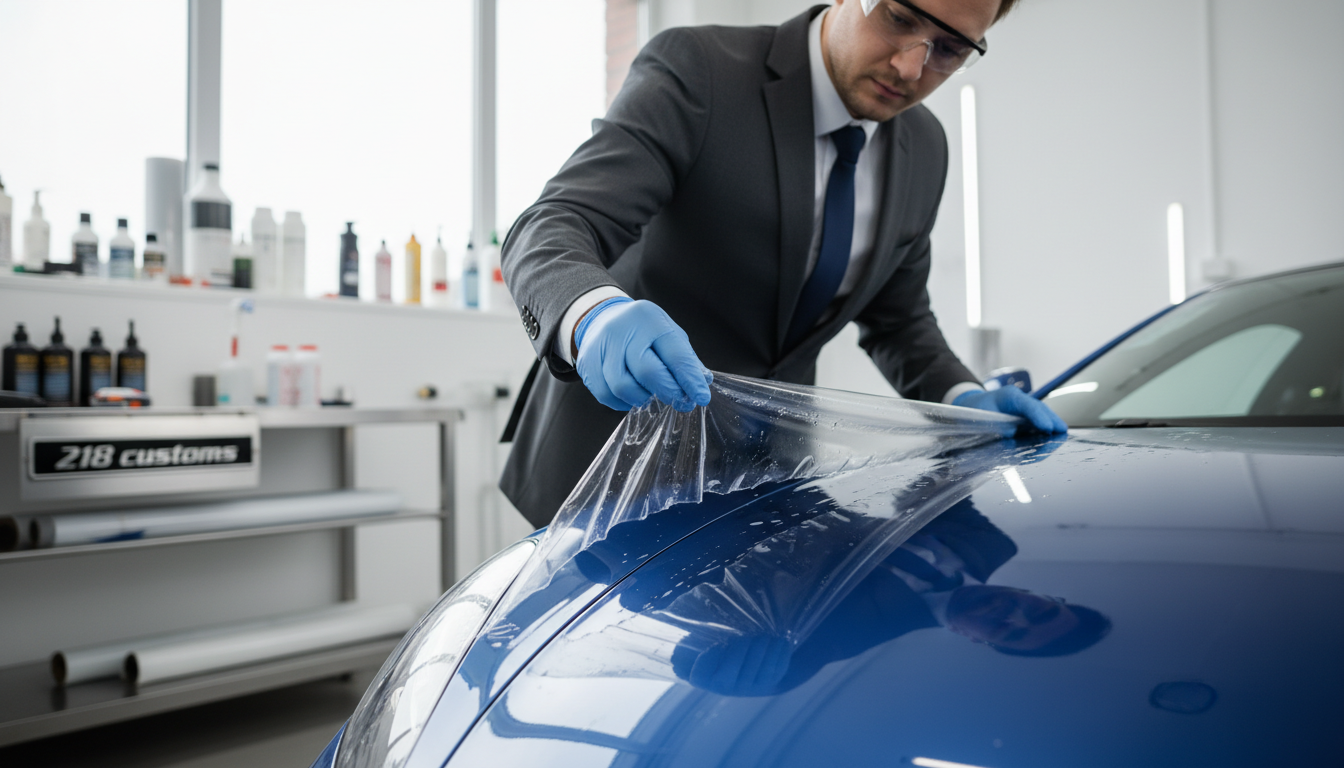
Many car owners ask if paint protection film can be taken off without harming their car’s exterior finish. The question of how to remove this film safely is a big concern. It’s important to know what’s at stake.
Removing PPF needs careful thought to avoid hurting the paint underneath. The good news is that it can be done safely if done right. Car owners should know the risks and take steps to protect their vehicle.
Key Takeaways
- PPF removal is a delicate process that requires care.
- Understanding the removal process can help prevent damage.
- Proper removal techniques are essential for a safe outcome.
- Car owners should be aware of the potential risks involved.
- Precautions can be taken to minimize the risk of damage.
What Is Paint Protection Film and How Does It Work
Paint protection film is a clear, durable layer applied to a vehicle’s paint. It shields it from various forms of damage. This solution is popular among car owners who want to keep their vehicle looking good.
“The primary function of PPF is to act as a sacrificial layer,” says an expert. “It absorbs impacts from road debris, such as rocks and gravel, that could damage the paint.” This helps prevent chips and scratches that can ruin the vehicle’s look.
Composition and Materials of Modern PPF
Modern paint protection film is made from thermoplastic polyurethane (TPU). TPU is known for its durability and flexibility. It’s designed to resist abrasion and withstand wear and tear without losing its protective qualities.
For more information on installation or finding a professional, check out https://218customs.com/find-paint-protection-film-near-you-best-installers-pricing/. The composition of modern PPF also includes advanced adhesives. These adhesives ensure a strong bond with the vehicle’s paint without leaving residue upon removal.
The use of high-quality materials in PPF manufacturing has made it more effective. As a result, paint protection film is a trusted solution for protecting vehicles.
Can Paint Protection Film Be Removed Without Damaging Your Vehicle?
Many car owners wonder if Paint Protection Film (PPF) can be removed safely. The answer depends on several important factors. These factors affect how safe and easy the removal process is.
Factors That Determine Safe Removal
The age of the film, the quality of its installation, and the type of PPF used are key. For example, a well-installed, high-quality PPF removed within a few years is usually safe to remove without damage.
Different Types of PPF and Their Removal Characteristics
PPF types vary in how they can be removed. Some are easier to remove because they are less adhesive. Others might leave residue or damage the paint if not removed right.
| Type of PPF | Removal Ease | Adhesive Residue |
|---|---|---|
| Premium PPF | Easy | Minimal |
| Standard PPF | Moderate | Moderate |
| Budget PPF | Difficult | Significant |
To ensure a safe removal process, knowing your PPF type is crucial. For more details on PPF and its benefits, check out this guide on PPF benefits and.
Signs That Your Paint Protection Film Needs Removal
## Signs That Your Paint Protection Film Needs Removal
Paint Protection Film (PPF) is a great way to keep your car’s paint safe. But, it can wear out over time and need to be removed. Knowing when to take it off is key to keeping your car looking good.
### Age-Related Deterioration Indicators
PPF changes as it gets older. Look out for these signs:
– Yellowing or discoloration
– Cracking or brittleness
– Lifting at the edges
These changes can make the film look bad and not protect as well.
### Damage and Wear Patterns to Watch For
PPF can also get damaged or worn out. Watch for:
– Scratches or tears
– Bubbles or delamination
– Adhesive failure
Spotting these problems early helps you know when to remove and possibly replace the PPF.
By recognizing these signs, you can keep your car’s paint and look in top shape.
Professional vs. DIY PPF Removal: What You Need to Know
Removing Paint Protection Film (PPF) from your vehicle can be done two ways: by professionals or yourself. Each method has its good and bad sides. Knowing these can help you choose wisely.
Benefits of Professional Removal Services
Professional services bring many benefits. They have the skills, tools, and promise to remove the film without harm. Experts know how to handle different PPF types safely.
A study by the Automotive Coating Association shows thatprofessional PPF removal reduces paint damage by up to 90%. They use special techniques and tools, like heat and adhesive removers, for safe removal.
Some key advantages of professional removal services include:
- Expertise in handling various PPF types
- Access to specialized tools and equipment
- Guarantee of a damage-free removal process
- Time-saving, as professionals can complete the job efficiently
When DIY Removal Might Be Appropriate
While experts are recommended, DIY can work if you’re experienced or comfortable with the process. It’s cheaper but comes with risks like paint damage or adhesive residue.
When considering DIY removal, keep in mind:
- The type of PPF used and its removal characteristics
- The tools and materials needed for safe removal
- The time required for the removal process
Time Requirements and Project Planning
The time needed for PPF removal varies. It depends on the film’s size, adhesive type, and your experience. DIY removal can take a few hours to a whole day.
Plan your DIY project well. Make sure you have enough time to avoid rushing, which can lead to damage.
To plan your DIY removal project, consider:
- Assessing the PPF’s condition and size
- Gathering the necessary tools and materials
- Allocating sufficient time for the removal process
For more information on PPF and its removal, you can visithttps://218customs.com/do-car-wraps-damage-your-paint-truth-myths-explained/.
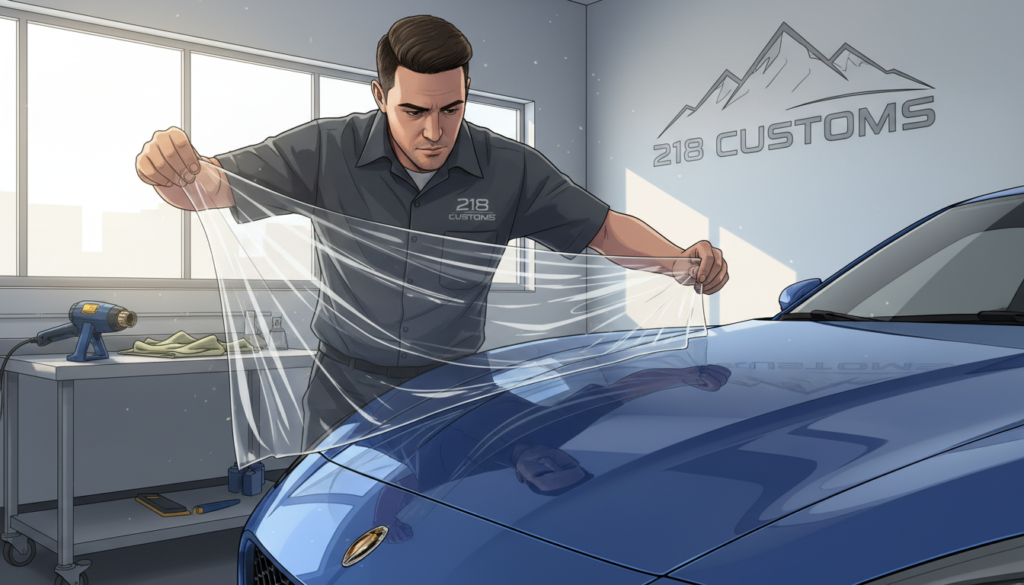
In conclusion, both professional and DIY PPF removal have their benefits and drawbacks. Understanding these can help you choose the best method for a safe and successful removal.
Tools and Materials Needed for Safe PPF Removal
Removing Paint Protection Film (PPF) from your car needs the right tools and materials. This is to avoid damaging the paint. Having the correct equipment is key for a successful DIY removal.
Essential Equipment for DIY Removal
To safely remove PPF, you’ll need a few essential tools. A heat gun is necessary for applying heat to the film, loosening the adhesive. Microfiber cloths are also vital for cleaning the surface and removing any residue. A plastic scraper or a credit card can be used to gently pry the film off the paint.
Recommended Products and Solutions
Using the right products can make the PPF removal process smoother. Adhesive removers can help dissolve any remaining adhesive, making it easier to remove the film. It’s also recommended to have a cleaning solution and microfiber towels on hand to clean the surface after removal. Some popular products for PPF removal include 3M Adhesive Remover and Gtechniq Adhesive Remover.
Having the right tools and materials is crucial for a successful PPF removal. By using the recommended products and equipment, you can ensure a safe and effective removal process.
Step-by-Step Guide to Removing Paint Protection Film
Removing paint protection film (PPF) needs careful planning to avoid paint damage. This guide will help you remove it safely and effectively.
Preparation and Surface Assessment
First, check the PPF for damage or wear. Clean the surface well to avoid dirt during removal. Then, see how well the film sticks to assess the best removal method.
- Look for any areas where the film might be lifting or damaged.
- Make sure the paint around the film is clean and free of debris.
Heat Application Techniques
Heat is key to loosen the adhesive. Use a heat gun or hair dryer to warm the film. But, be careful not to overheat, which can harm the paint.
After warming, peel the film slowly and carefully, starting from one edge. If some adhesive stays, use a dedicated adhesive remover to get rid of it without damaging the paint.
- Peel the film at a 45-degree angle to protect the paint.
- Apply adhesive remover as needed, following the product’s instructions.
Environmental Considerations for Optimal Results
Work in a well-ventilated area, away from direct sunlight. This helps prevent the adhesive from getting too sticky and the paint from being affected by heat or chemicals.
By following these steps and considering the environment, you can ensure a successful PPF removal process.
Common Challenges During PPF Removal and How to Overcome Them
Removing Paint Protection Film (PPF) can be tough, with issues like stubborn adhesive, old and brittle film, and complex surfaces. Knowing how to handle these problems is key for a smooth removal process.
Dealing with Stubborn Adhesive Residue
Stubborn adhesive residue is a common problem when removing PPF. This residue is hard to get rid of, even more so if the PPF has been on the car for a long time. To solve this, a gentle adhesive remover or a soap and water mix works well. It’s important to avoid harsh chemicals or rough materials that could harm the car’s paint.
Addressing Aged and Brittle Film Issues
Aged PPF can become brittle and tear easily, making removal harder. Applying heat to the film can soften the adhesive, making it easier to remove. It’s important to work slowly and carefully to avoid tearing the film more.
Removing PPF from Complex Surfaces and Curves
PPF on complex surfaces and curves is hard to remove because of how well it fits these areas. Using heat and careful handling can help remove the film without damage. Specialized tools for PPF removal are also helpful in these tricky areas.
Potential Risks and How to Minimize Paint Damage
Removing paint protection film (PPF) is a delicate task. There are risks that could harm your car’s paint. Knowing these risks and how to avoid them is key to a safe removal.
Understanding Paint Sensitivity and Film Bonding
Car paints vary in sensitivity and how well they stick to PPF. Some paints might scratch easily or react badly to adhesives. Knowing your car’s paint type helps predict how it will react during removal.
| Paint Type | Bonding Characteristics | Removal Risks |
|---|---|---|
| Acrylic | Strong adhesion | High risk of paint damage |
| Polyurethane | Moderate adhesion | Moderate risk |
| Metallic | Variable adhesion | Variable risk |
Preventative Measures to Protect Your Paint
To avoid paint damage, use the right tools and methods for PPF removal. Apply heat to loosen the adhesive or use special solutions to prevent scratches.
What to Do If Damage Occurs During Removal
Even with precautions, damage can still happen. If you see scratches or adhesive residue, fix them right away. For small scratches, a polishing compound can help. For bigger damage, a professional detailer or auto body shop might be needed.
Understanding risks and taking steps to prevent them ensures a safe PPF removal process.
Post-Removal Care for Your Vehicle’s Paint
After taking off Paint Protection Film (PPF) from your car, it’s key to take good care of the paint. Good care after removal keeps your car’s paint looking great.
Cleaning and Polishing After PPF Removal
To clean the paint, use a mild soap and water. Stay away from harsh chemicals or rough materials that can harm the paint.Gently wash and dry the car to avoid scratches. For polishing, use a top-notch polish made for car paint. Apply it with a soft, clean cloth, moving in small circles to get rid of any leftover adhesive or small flaws.
Assessing Paint Condition and Addressing Issues
After removing PPF, check the paint for any damage or flaws. Look for leftover adhesive, scratches, or areas where the paint might have been hurt during removal.Fix any problems right away to stop more damage. If needed, get help from a pro detailer or auto body shop to fix the paint.
For more info on PPF removal and care, visit218customs.com/ppf/.
By following these steps, you can keep your car’s paint in top shape after PPF removal. Regular upkeep and checks will help keep the paint looking good and lasting longer.
Professional PPF Removal Services: What to Expect and Costs
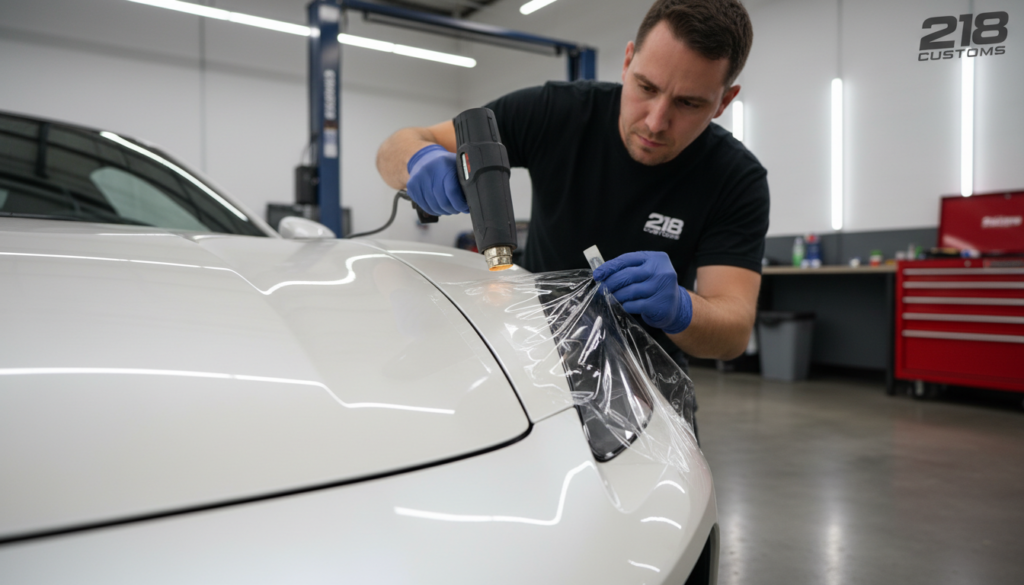
Professional PPF removal services make it easy to remove your car’s protective film. They use special tools and know-how for a safe and quick job.
Average Price Ranges and Service Inclusions
The price for PPF removal services varies. It depends on where you are, your car’s size, and the film’s condition. Prices usually fall between $200 and $500. You’ll get a detailed check, careful film removal, and a clean car surface.
How to Choose a Qualified PPF Removal Specialist
Finding the right specialist is key for a good removal. Look for someone with PPF removal experience and good customer feedback. A trusted service will use the right tools and methods to protect your car’s paint.
Questions to Ask Before Hiring a Professional
- What experience do you have with PPF removal?
- Can you provide references or reviews from previous customers?
- What is included in your service, and what are the costs?
- How do you ensure the protection of my vehicle’s paint during removal?
Choosing a skilled professional and knowing what to expect will lead to a great PPF removal experience.
Conclusion: Ensuring a Damage-Free PPF Removal Experience
Removing paint protection film (PPF) without harming your car’s paint is possible. Knowing what PPF is made of and when to remove it helps. Using the right tools and techniques is also key.
Success in removing PPF comes from careful preparation and patience. It’s important to know the process and possible issues. This knowledge helps avoid damaging your car’s paint.
By following the advice in this article, you can keep your car’s paint looking great. A successful PPF removal not only keeps your car looking good. It also helps maintain its value when you sell it.