
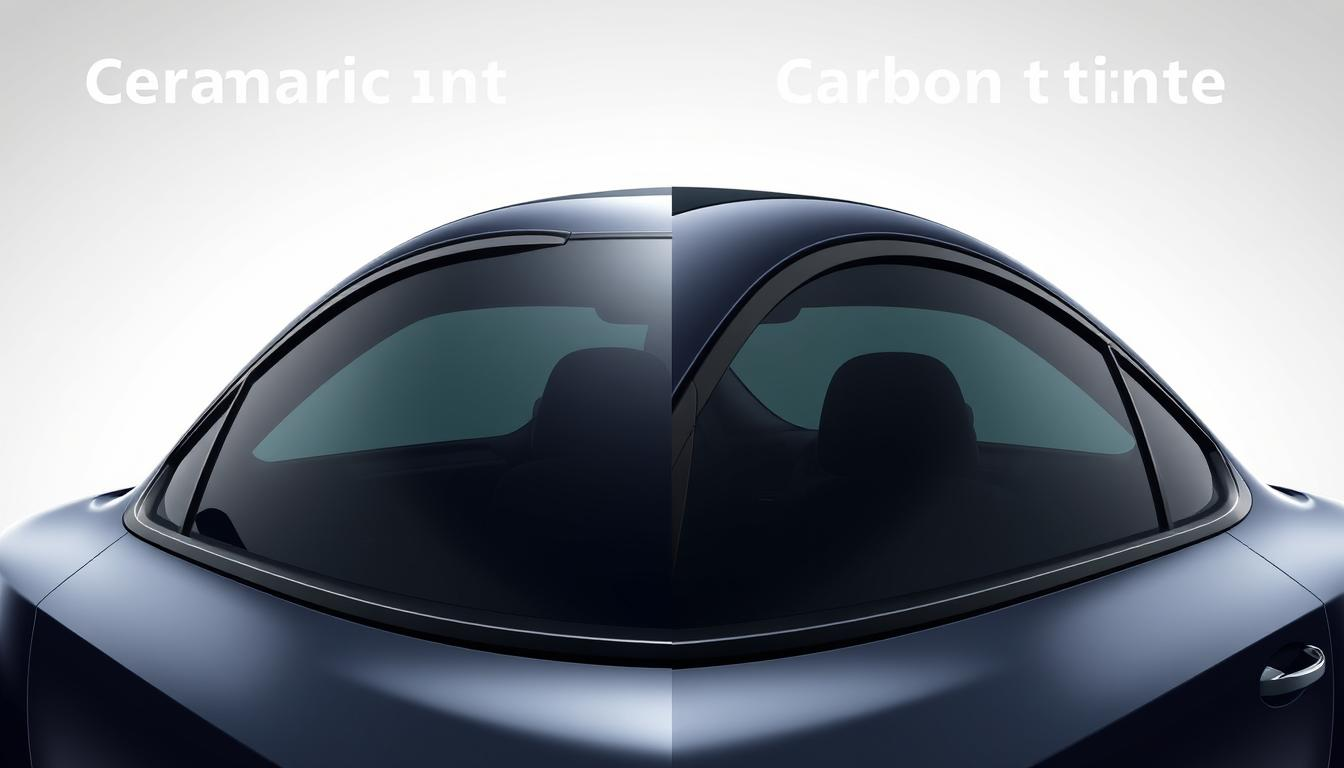
Choosing the right window tint for your car can be hard. There are many options out there. You might be thinking about ceramic vs carbon tint for your car.
At 218 Customs, we know how important the right tint is. It can make your drive better. We offer tints for heat, UV protection, and style.
When you look at ceramic tint and carbon tint, think about durability and style. In this article, we’ll explain each type. This will help you choose the best one for you.
Key Takeaways
- Understand the key differences between ceramic and carbon tint.
- Learn about the benefits of each type of tint.
- Discover how 218 Customs can help you choose the right tint.
- Find out which tint is best for your specific needs.
- Get insights into the importance of proper window tinting.
Understanding Car Window Tinting
Car window tinting is more than just a style statement. It serves several important purposes. As a car owner, knowing the basics of window tinting helps you choose the right tint for your vehicle.
The Purpose of Window Tinting
Window tinting blocks sunlight and reduces heat inside the car. It also gives UV protection. This helps prevent interior parts from fading and keeps your skin safe. Plus, it makes your car look sleek and sophisticated.
How Window Tint Works
Window tinting involves applying a thin film to your car’s windows. This film absorbs or reflects sunlight. It keeps the heat and light out of your car. The type of tint affects its performance, like how well it blocks heat and UV rays.
| Purpose | Description | Benefit |
|---|---|---|
| Heat Reduction | Blocks sunlight and reduces heat gain | Cooler interior, reduced AC usage |
| UV Protection | Prevents UV rays from entering | Prevents interior fading, skin protection |
| Aesthetic Appeal | Enhances the car’s appearance | Sleek, sophisticated look |
What is the Difference Between Ceramic Tint and Carbon Tint
It’s important to know the difference between ceramic and carbon tint for your car. These tints vary in what they’re made of, how they’re made, and what they do. Your choice depends on these factors.
Basic Composition
Ceramic tint uses ceramic particles to block heat and UV rays. It doesn’t use metals. Carbon tint, on the other hand, has carbon particles for a matte look and to cut down glare.
The makeup of these tints affects how well they work. Ceramic tint is great at keeping heat out. Carbon tint looks good and cuts glare.
Manufacturing Process
Ceramic tint is made with nanotechnology. This embeds ceramic particles into the film. It makes the tint consistent and effective. Carbon tint is made by mixing carbon particles into the film. This can make it look different each time.
Primary Functional Differences
Ceramic and carbon tint have different main uses. Here’s what sets them apart:
- Ceramic tint blocks more heat and UV rays than carbon tint.
- Carbon tint looks unique and cuts glare, but doesn’t block as much heat.
- Ceramic tint keeps signals strong for gadgets better than carbon tint.
Ceramic Window Tint: A Closer Look
Ceramic window tint is top-notch for cars. It’s durable and performs well. If you’re thinking about tinting your car windows, ceramic is a great choice.
Composition and Technology
Ceramic tint uses special ceramic materials. These materials help block heat without hiding your view. The ceramic particles soak up heat, making your car cooler.
Key Features
Ceramic tint blocks heat and UV rays well. It also cuts down on glare. It’s metal-free, so it won’t mess with your car’s electronics. You’ll get improved heat rejection and UV protection with it.
Typical Performance Metrics
Ceramic tint rejects heat really well, often over 50%. It also blocks up to 99% of UV rays. The exact numbers can change, but ceramic tint is known for being top-notch.
Carbon Window Tint: Understanding the Basics
Carbon window tint is popular for improving your car’s windows. You might wonder why it’s so good. Let’s learn the basics.
Composition and Technology
Carbon tint is made from carbon particles mixed into the film. This mix blocks heat and UV rays without metals. The making of carbon tint involves layers and bonds to make it strong and work well.

Key Features
Carbon window tint has great features. These include:
- Excellent Heat Rejection: It keeps your car cool.
- UV Protection: It protects your car’s interior from UV rays.
- Non-Metallic: It doesn’t have metals, so it won’t mess with electronics.
Typical Performance Metrics
When looking at carbon tint, check its performance. Look at its VLT percentage, UV rejection, and heat rejection. Carbon tint blocks up to 99% of UV rays and keeps your car cool.
Knowing these basics helps you decide if carbon tint is right for your car.
Heat Rejection Capabilities Compared
Choosing the right window tint is key to keeping your car cool. Ceramic and carbon tints are popular for blocking heat. But, how do they stack up against each other?
Ceramic Tint Heat Rejection Performance
Ceramic tint is top-notch at keeping your car cool. It blocks infrared radiation, a major heat source. This makes your car’s interior stay cool, even when it’s very hot outside.
Some benefits of ceramic tint include:
- High infrared radiation rejection
- Significant reduction in interior temperature
- Enhanced comfort during hot weather
Carbon Tint Heat Rejection Performance
Carbon tint also blocks heat, but in a different way. It absorbs and spreads out heat. This makes it cooler inside your car.
Benefits of carbon tint include:
- Effective heat absorption
- Reduced glare and improved visibility
- Energy savings through reduced air conditioning use
Real-World Temperature Differences
Studies show ceramic tint beats carbon tint in heat rejection. For example, ceramic tint can lower the interior temperature by up to 10°F more on very hot days.
To wrap it up, both ceramic and carbon tints block a lot of heat. But ceramic tint has a slight edge in extreme heat. Think about what you need and want before choosing.
UV Protection and Fade Prevention
Keeping your car’s inside safe from UV rays is key. It’s not just about looks. UV rays can make materials fade, crack, and get damaged.
Ceramic Tint UV Blocking Capabilities
Ceramic tint blocks a lot of UV rays. It can stop up to 99% of UV radiation. This helps keep your car’s inside looking new.
Carbon Tint UV Blocking Capabilities
Carbon tint also blocks UV rays, but not as much as ceramic. It stops about 90-95% of UV rays. Still, it offers good protection against UV damage.
Interior Protection Benefits
UV protection does more than stop fade. It also stops materials from getting old too fast. A car expert says, “UV protection is key to keeping your car’s inside looking good.”
“UV protection is crucial for maintaining the integrity and appearance of your vehicle’s interior.” – Automotive Expert
Here’s how ceramic and carbon tints compare in blocking UV rays:
| Tint Type | UV Blocking Capability |
|---|---|
| Ceramic Tint | Up to 99% |
| Carbon Tint | 90-95% |
Choosing the right tint can really help protect your car’s inside. It keeps it looking great for many years.
Signal Transmission and Electronic Device Performance
Window tint affects how your devices work. It blocks UV rays and heat. But it can also change how devices talk to the world.
Impact on Cell Phone Reception
Ceramic tint is best for cell phone signals. It doesn’t mess with signals like carbon tint can. Ceramic is made of non-conductive stuff for better reception.
GPS and Bluetooth Connectivity
Both tints can mess with GPS and Bluetooth. But ceramic tint is better. It keeps your GPS and Bluetooth working well.
Electronic Toll Collection Systems
Drivers using toll systems should pick their tint wisely. Metallic tints like carbon can mess with RFID signals. Ceramic tint is safer for these systems.
| Tint Type | Cell Phone Reception | GPS Connectivity | Bluetooth Connectivity |
|---|---|---|---|
| Ceramic Tint | Minimal Interference | Stable | Stable |
| Carbon Tint | Potential Interference | Possible Disruption | Possible Disruption |
The table shows ceramic tint is better. It’s great for those who use devices a lot while driving.
Clarity, Visibility and Appearance
When picking between ceramic and carbon tint for your car’s windows, think about clarity and visibility. The right tint makes driving better by giving you a clear view, no matter the weather.
Visual Clarity Differences
Ceramic tint is clear and sharp, better than carbon tint. It uses new tech to keep views clear.
Carbon tint is good but looks darker. This can make it harder to see at night.
Nighttime Visibility Comparison
Ceramic tint is better for seeing at night. It lets more light through, helping you see in the dark.
Carbon tint can make it harder to see at night. It’s darker and might cause glare from headlights.
Aesthetic Considerations
The look of your car’s windows matters too. Ceramic tint looks natural and doesn’t darken too much.
Carbon tint makes your car look cool and dark. But, think about how it affects driving before choosing.
Choosing between ceramic and carbon tint depends on what you value most. Think about clarity, visibility, and looks to pick the best for you.
Durability and Longevity Factors
Ceramic and carbon tints are popular for car windows. But, they last differently. Knowing how long they last helps you choose better.
Lifespan of Ceramic Tint
Ceramic tint lasts a long time. It can stay good for 10 years or more. This depends on the tint’s quality and how well it’s put on.
Lifespan of Carbon Tint
Carbon tint is also durable but doesn’t last as long. It can last 5 to 7 years before it starts to fade.
Factors Affecting Durability
Many things can change how long a tint lasts. These include:
- Quality of the tint product
- Professional installation
- Exposure to sunlight and weather
- Maintenance and cleaning
| Tint Type | Average Lifespan | Resistance to Fading |
|---|---|---|
| Ceramic Tint | 10+ years | High |
| Carbon Tint | 5-7 years | Medium |
The table shows ceramic tint lasts longer and fades less. Choosing a good tint and proper installation and care can make it last longer.
Legal Considerations for Window Tinting
Window tinting laws change a lot from state to state. It’s very important to know the rules in your area. This helps you avoid fines and make sure your tint is legal.
Understanding VLT Percentages
VLT (Visible Light Transmission) shows how much light goes through the tint. A lower number means it’s darker. For example, a 5% VLT lets only 5% of light through. A 50% VLT lets 50% of light through.
- Front windshield: Most places say you can have a 70% VLT or higher here.
- Front side windows: Rules vary, but many places want at least 35% VLT.
- Back side and rear windows: These usually have looser rules, but always check local laws.
State-by-State Regulations
Window tinting laws are not the same everywhere in the U.S. They change by state and sometimes by local areas. For example:
- California: Allows 70% VLT on front side windows.
- New York: Requires a minimum of 70% VLT on front windshield and 35% on front side windows.
- Florida: Permits 28% VLT on front side windows for certain medical conditions.
Always check your state’s specific rules before getting window tint.
Certification and Documentation
Many places need window tint installers to show proof that the tint meets state rules. This proof is key for:
- Staying out of trouble during traffic stops.
- Meeting requirements when selling your car.
- Showing you followed the rules in case of an accident or inspection.
By knowing and following these laws, you can enjoy window tinting safely and legally.
Cost Analysis and Value Proposition
Choosing the right window tint means looking at the cost and value. Ceramic and carbon tint have different things to consider.
Initial Investment Comparison
Ceramic tint costs more than carbon tint. It’s because of its advanced tech and better performance. The initial cost of ceramic tint can be up to 50% higher than carbon.
But, ceramic tint’s quality and durability might make it worth the extra money.
Long-Term Value Considerations
Carbon tint is cheaper at first. But, ceramic tint saves money in the long run. It helps use less energy and protects your car’s inside better.
Ceramic tint blocks heat and UV rays well. This means your car’s inside parts last longer.
Energy Savings Potential
Ceramic tint blocks heat better. This means you use less air conditioning. You save money on fuel and stay cooler while driving.
In short, ceramic tint costs more at first. But, its long-term benefits and energy savings make it a good choice for your car.
Why Choose 218 Customs for Your Window Tinting Needs
Looking for the best window tinting? 218 Customs is your place. They are all about quality and making sure you’re happy. They’re the top choice in Lakewood and Denver for car owners.
Expertise in Premium Products Including SunTek PPF
At 218 Customs, you get more than just tinting. They use premium products that last. They’re experts in SunTek PPF, a film that protects your car’s paint.
Comprehensive Service Offerings: Wraps, Tint, and PPF
218 Customs does it all. They tint windows, apply wraps, and use PPF. They’re your one-stop shop for car care. You can count on them to protect and beautify your car.
Serving the Lakewood and Denver Area with Excellence
218 Customs is all about top service in Lakewood and Denver. Their team makes sure you’re happy with your car’s look and protection.
| Service | Benefits |
|---|---|
| Window Tinting | Reduces heat, blocks UV rays, and enhances privacy |
| Wraps | Protects paint, offers customization options |
| PPF (Paint Protection Film) | Guards against scratches, rock chips, and damage |
Conclusion
Choosing the right window tint for your car can be tough. We’ve looked at the main differences and benefits of ceramic and carbon tints. Now, it’s time to decide.
Ceramic tint is great for blocking heat and UV rays, perfect for sunny places. Carbon tint looks cool and cuts heat too, but it’s cheaper. Think about what matters most to you: how it works, looks, or price.
At 218 Customs, you get top-notch tinting services in Lakewood and Denver. They use SunTek PPF and offer many services. No matter your choice, 218 Customs will install it right.
Now, you know the good and bad of ceramic and carbon tints. Visit 218 Customs to see your options. Experience the difference for yourself today.