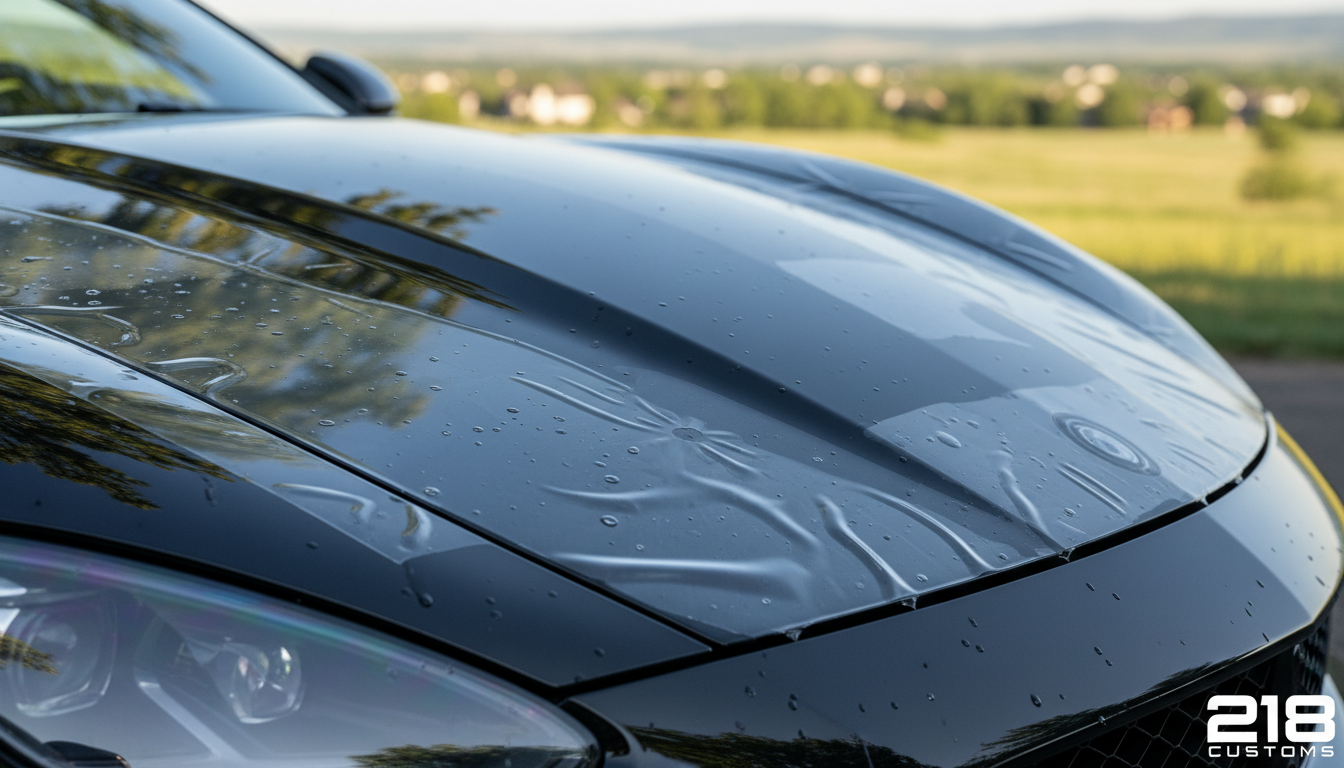
As a car owner, you worry about your vehicle’s paint lasting long and looking good. Rock chips and scratches are big problems, often found on highways or rough roads. That’s why Paint Protection Film (PPF) is here. It’s a clear, tough material that takes the hit and keeps your car’s paint safe.
PPF acts as a protective shield for your car’s paint against the outside world. With PPF, your car stays looking great and you avoid expensive fixes. For more details on PPF’s benefits and how to get it, check out 218 Customs. They offer top-notch PPF solutions.
Key Takeaways
- PPF is a clear, durable film that protects your vehicle’s paint from rock chips and scratches.
- It works by absorbing impacts and providing a protective barrier between your car’s paint and the elements.
- High-quality PPF can last 5 to 10 years or more, depending on the film quality and maintenance.
- PPF is available from reputable providers like 218 Customs, which offers SunTek PPF with a 10-year warranty.
- Professional installation is recommended to ensure a proper fit and maximum protection.
Understanding Paint Protection Film (PPF)
Paint Protection Film (PPF) is a new way to keep your car’s paint safe. It’s a key part of car care, helping your vehicle stay in top shape. It’s a smart move against the daily wear and tear.
What Is PPF and How It Works
PPF is a clear, flexible film made of thermoplastic urethane. It’s put on your car’s paint to shield it from damage. It covers areas like the hood, bumper, and side mirrors.
PPF works by taking hits and healing small scratches on its own. The latest PPF has advanced tech. This includes self-healing topcoats that fix the film’s look after it’s been in the sun or heat.
| PPF Feature | Description | Benefit |
|---|---|---|
| Impact Resistance | Protects against rock chips and debris | Maintains vehicle paint integrity |
| Self-Healing | Topcoat heals minor scratches | Enhances durability and appearance |
| Clarity | Transparent film | Preserves original paint appearance |
Advancements in PPF Technology
New PPF tech makes the film stronger, clearer, and better at healing itself. Modern PPF lasts longer and looks better, without turning yellow or cracking.
There are now premium PPF options. They offer better stickiness, easier to apply, and work well with different paints.
Does PPF Protect Against Rock Chips?
The open road can be tough, with rock chips and debris threatening your car’s paint. Paint Protection Film (PPF) is a popular choice for protecting your car’s exterior. But does clear bra prevent rock chips well?
The Science Behind Impact Resistance
To understand PPF’s effectiveness against rock chips, we need to know how it works. Its impact resistance comes from its material and how it absorbs energy.
PPF Material Composition
PPF is made from a multi-layered polyurethane film. This makes a strong, flexible barrier that can absorb impacts without breaking. The top layer is clear, giving a smooth finish. The layers below offer most of the protection.
Energy Absorption Properties
PPF’s ability to prevent rock chips comes from how it absorbs energy. When debris hits, the energy spreads out, reducing the impact on any one spot. This helps keep the paint underneath from chipping or cracking.
Real-World Performance Against Rock Chips
In real life, PPF works well against rock chips. Many car owners say it greatly reduces paint damage from road debris. For example, drivers on highways or rural roads, where rock chips are common, find PPF for car protection keeps their paint looking new.
PPF combines advanced materials with a deep understanding of impact dynamics. It offers a strong defense against road hazards. Whether you drive daily or love road trips, PPF is a smart choice for keeping your car looking good and its value high.
PPF’s Effectiveness Against Scratches
## PPF’s Effectiveness Against Scratches
Paint Protection Film (PPF) is made to shield your car’s paint from scratches and rock chips. Knowing how well PPF prevents scratches is key for car owners.
### Types of Scratches PPF Can Prevent
PPF fights off various scratches. It stops light surface scratches from dust or minor bumps. Its smooth surface blocks minor scratches.
#### Light Surface Scratches
These scratches come from daily driving. PPF acts as a shield for your paint.
#### Swirl Marks and Wash Scratches
PPF also helps against swirl marks and wash scratches. It lets you clean your car without harming the paint, reducing scratch risks from bad washing.
### Limitations of PPF Scratch Protection
Even though PPF works well, it’s not perfect. Deep or hard scratches can still hurt the film or paint. Keeping your PPF in good shape is important.
For more on PPF’s rock chip protection, check outhttps://218customs.com/windshield-protection-film/.
Knowing what PPF can and can’t do helps car owners choose the best protection for their vehicles.
Self-Healing Properties of Modern PPF
Modern Paint Protection Film (PPF) has changed the car world with its self-healing feature. This tech lets PPF fix small scratches and damage on its own. It keeps your car looking great without needing you to do anything.
How Self-Healing Technology Works
Self-healing PPF has a special topcoat that fixes itself with heat or light. When exposed to sunlight or warmth, the PPF’s molecules move to cover up small scratches. This makes it easy and hassle-free for car owners.
Conditions That Activate Self-Healing
The self-healing in PPF starts when it’s exposed to sunlight. The UV rays in sunlight give the PPF’s molecules the energy to fix small damage. Heat can also start the healing process, but it depends on the temperature and the PPF type.
For more info on PPF and rock chip prevention, visit https://topline-autospa.com/ppf-protect-against-rock-chips/.
Different Grades of PPF and Their Applications
It’s important to know about the different PPF grades for your car’s protection. PPF has various levels, each with its own protection against rock chips, scratches, and more.
Standard vs. Premium PPF Options
Standard PPF is good for most drivers. It helps absorb minor impacts and prevents scratches. Premium PPF, on the other hand, offers better protection with advanced features like self-healing and durability. It’s best for those who want top-notch protection, like for the front bumper and hood.
Key differences between standard and premium PPF include:
- Thickness: Premium PPF is thicker, offering better protection against deeper scratches and rock chips.
- Self-healing properties: Premium options have better self-healing technology, recovering from scratches more effectively.
- Durability: Premium PPF lasts longer, keeping its protective abilities longer.
Thickness Variations and Their Impact
PPF thickness is key to its effectiveness. Thicker films protect better against rock chips and deeper scratches. But, they can be harder to install, around complex shapes and edges.
Thickness options typically range from:
| Thickness | Protection Level | Installation Difficulty |
|---|---|---|
| 4mil | Basic | Easy |
| 6mil | Enhanced | Moderate |
| 8mil | Maximum | Challenging |
Choosing the right thickness depends on your needs and desired protection level. Talking to a professional installer can help find the best fit for your car.
Common Vehicle Areas That Benefit Most from PPF
Some parts of a vehicle are more likely to get rock chips and scratches. Paint Protection Film (PPF) is great for these high-risk spots. It helps a lot in keeping these areas safe from damage.
High-Impact Zones for Rock Chip Protection
The front bumper and hood face a lot of danger from rock chips and debris. Front Bumper and Hood Protection is key. These areas get hit first when driving on highways or through construction zones.
Front Bumper and Hood Protection
The front bumper meets debris kicked up by other cars. The hood also gets chips and scratches from gravel or road debris. PPF on these spots can take the hit and prevent damage.
Side Mirror and Rocker Panel Coverage
Side mirrors and rocker panels are easy to scratch and chip. PPF can shield these spots from harm. It keeps the car looking good and its value up.
Areas Prone to Scratching
Some areas are more likely to get scratched. Door edges, sills, and other exposed spots are at risk. Protecting these areas with PPF keeps the paint looking new.
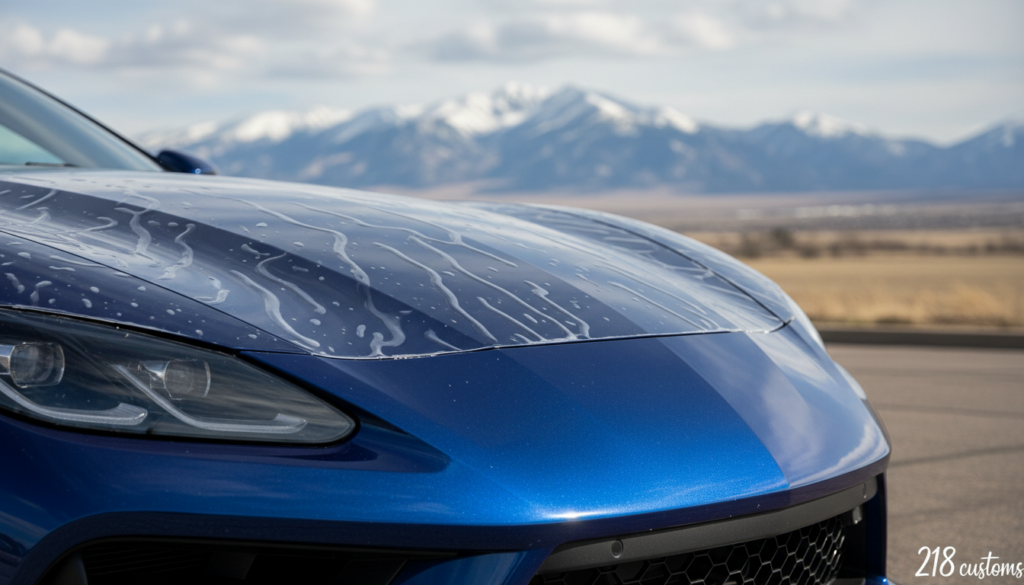
Professional Installation vs. DIY PPF Application
PPF is key for keeping your car’s paint looking great. But should you get it done by a pro or try it yourself? It depends on your skills, the job’s complexity, and your budget.
Benefits of Professional Installation
Going for PPF for car protection with a pro has many perks. They know how to apply it right, giving you a smooth finish and top-notch protection.
Precision Cutting and Fitting
One big plus of pro installation is the precise cutting and fitting. They use special tools to make sure it fits perfectly, avoiding bubbles and wrinkles.
Warranty Considerations
Many warranties need a pro to install PPF. Choosing a pro ensures your PPF guards against rock chips well and keeps your warranty valid.
Common DIY Mistakes to Avoid
DIY PPF can save money, but it’s not without risks. Mistakes like bad surface prep, air bubbles, and wrong sizing can happen. To avoid these, carefully follow the maker’s guide and be ready to put in the time and effort.
| Installation Method | Advantages | Disadvantages |
|---|---|---|
| Professional Installation | Expert application, warranty validity, optimal protection | Higher cost |
| DIY Installation | Cost-effective, personal control over the process | Risk of mistakes, potential voiding of warranty |
Maintaining Your PPF for Maximum Protection
To keep your Paint Protection Film (PPF) working well, regular care is key. This means using the right cleaning methods and products.
Recommended Cleaning Practices
It’s important to clean your PPF often to keep it effective. First, rinse your car with water to get rid of loose dirt. Next, use a gentle soap or a cleaner made for PPF. Don’t use household cleaners or rough materials that can harm the film.
Use a soft, microfiber cloth to clean the surface gently, starting from the top. Rinse well with water and dry with a microfiber towel to avoid water spots.
Products to Use and Avoid
The products you choose for cleaning your PPF matter a lot. Go for mild, pH-balanced cleaners without harsh chemicals. Don’t use wax-based products, as they can leave residue on the PPF. Also, avoid abrasive cleaners or scrubbers, as they can scratch the film.
Safe Cleaning Products
For safe cleaning, use products made for PPF. Look for mild soap solutions, pH-balanced cleaners, and microfiber cloths. Brands like 3M and XPEL offer high-quality PPF cleaning products.
Harmful Chemicals to Avoid
Some chemicals can harm your PPF, making it less effective. Stay away from bleach, ammonia, and abrasive particles. These can cause the PPF to break down, lose clarity, or become brittle.
By following these tips, you can keep your PPF in top shape. This ensures it continues to protect your car’s paint.
PPF vs. Other Protection Methods
Many car owners look for the best way to protect their vehicles. They compare PPF with other methods. We will explore how PPF compares to popular options.
PPF Compared to Ceramic Coatings
PPF and ceramic coatings have different main uses. PPF protects against scratches and rock chips. Ceramic coatings, on the other hand, keep water, dirt, and contaminants away.
- Key Benefits of PPF over Ceramic Coatings:
- PPF is better at stopping physical damage like rock chips and scratches.
- It can last many years with the right care.
- Limitations:
- PPF costs more to apply than ceramic coatings.
- It needs a pro to install it right.
PPF vs. Vinyl Wraps for Protection
Vinyl wraps are also used to protect a car’s paint. They can take minor impacts and scratches. But, they are different from PPF in many ways.
- Key Differences:
- Vinyl wraps are mainly for looks, changing the car’s color or design. PPF is for protection.
- PPF lasts longer and resists UV damage better than regular vinyl wraps.
In summary, PPF, ceramic coatings, and vinyl wraps all have their uses in car protection. The right choice depends on what the car owner needs. PPF is great for those who want strong protection against physical damage.
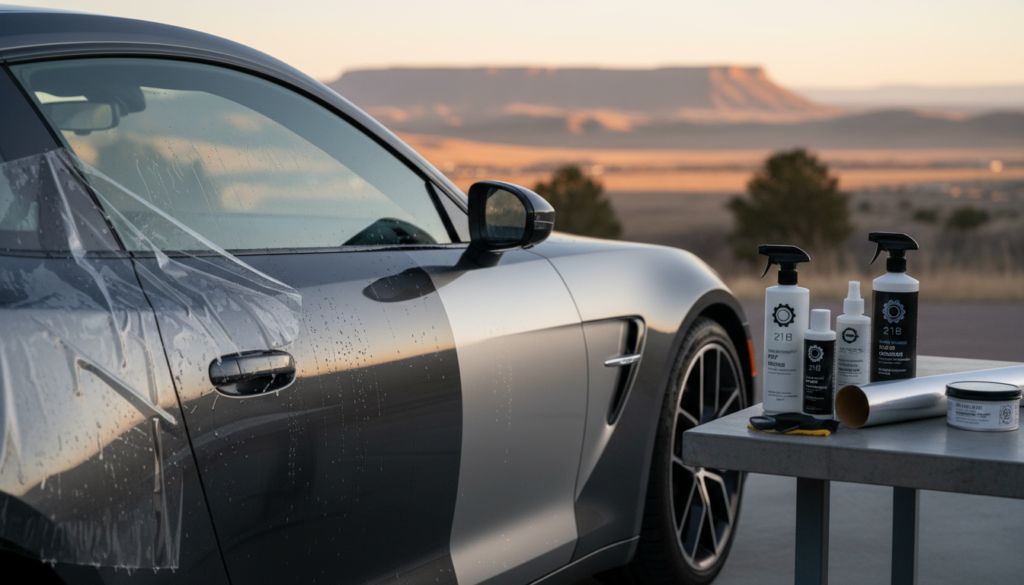
Long-Term Value: Is PPF Worth the Investment?
Thinking about Paint Protection Film (PPF) means looking at the upfront cost and long-term gains. PPF shields your car’s paint from chips, scratches, and more. This could save you a lot on future repairs.
Cost Analysis: PPF vs. Paint Repairs
PPF installation prices vary based on vehicle size, film quality, and installer skill. A full-body PPF job can cost between $1,000 and $3,000 or more. Paint repairs, on the other hand, can be pricey, from a few hundred to several thousand dollars.
By choosing PPF, you might dodge these high repair costs. This keeps your car looking great.
A study by218customs.com showed PPF-protected cars have less paint damage than unprotected ones. This makes PPF a smart choice for car owners who want to protect their investment.
Resale Value Benefits of PPF-Protected Vehicles
PPF also boosts your car’s resale value. A car with a protected paint job can sell for more. Experts say a PPF-protected car can keep up to 10% more of its original price.
To get the most resale value, pick a top-notch film and have it installed by a pro. This ensures the film is applied right and lasts your car’s lifetime.
In summary, while PPF costs a bit upfront, its long-term benefits are worth it. It protects your car’s paint, saves on repairs, and increases resale value.
Conclusion
Paint Protection Film (PPF) is a top choice for keeping vehicles safe from rock chips and scratches. It works well and offers many benefits. This makes it a smart pick for car owners.
PPF stops rock chips and minor scratches thanks to its advanced tech and self-healing abilities. It’s great for keeping your car’s paint looking new. It also helps keep your car’s value up.
Choosing the right PPF grade and thickness is key for your car’s needs. Getting it installed by a pro is also important for the best results. With proper care, your PPF will keep your car looking perfect for a long time.
Does PPF protect against rock chips? Yes, it does. PPF is a smart choice for anyone wanting to protect their car. It keeps your car’s paint safe from rock chips and minor scratches.