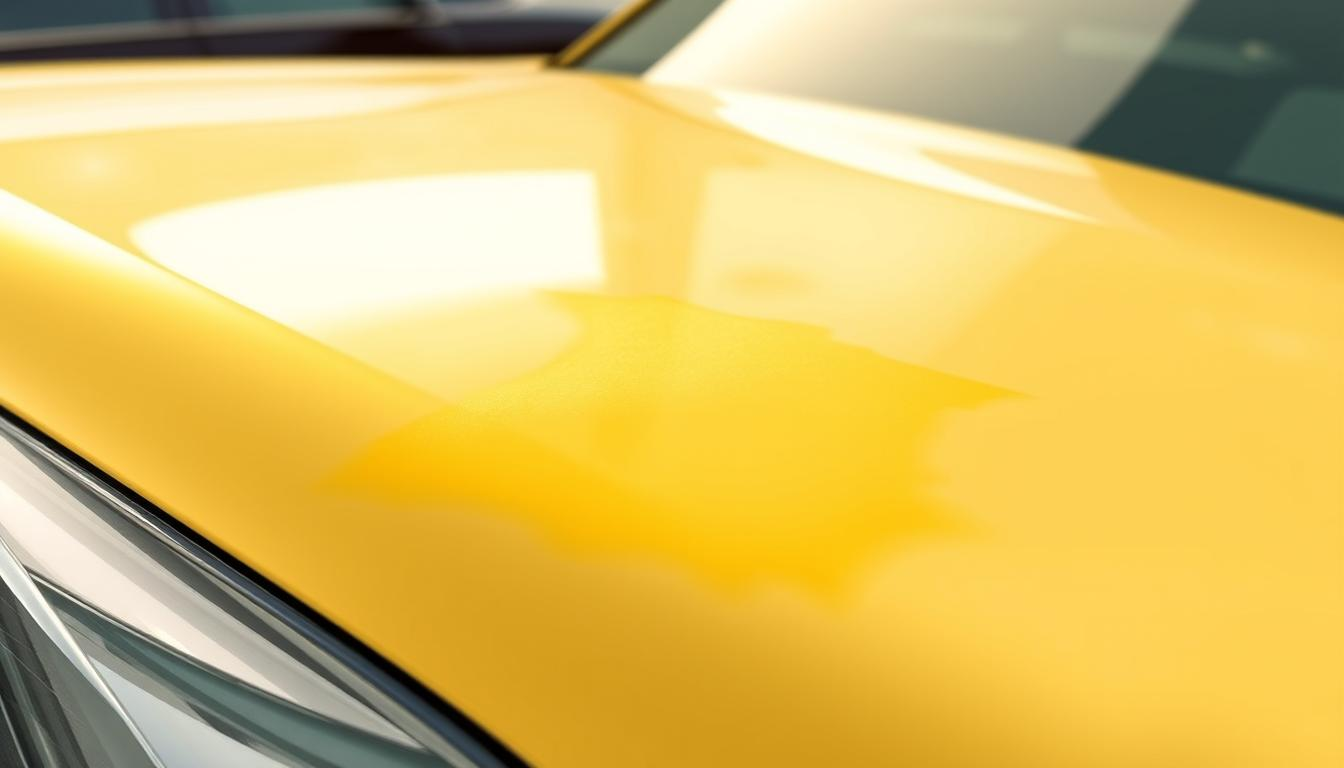
You’ve spent money on Paint Protection Film (PPF) to keep your car’s paint safe. But, you’ve seen it start to yellow or change color over time. This makes you worry if the film is still protecting your car’s paint.
At 218 Customs, we’ve seen many car owners worry about this. The yellowing of PPF is a common problem. It can be caused by sunlight, the environment, and the film’s quality. Knowing why it happens is key to keeping your car’s protective coating looking good.
Key Takeaways
- PPF yellowing is a common issue that can be caused by several factors.
- Exposure to sunlight and environmental conditions play a significant role.
- The quality of the PPF affects its durability and resistance to discoloration.
- Proper maintenance can help minimize the risk of yellowing.
- Understanding the causes can help you take preventive measures.
Understanding Paint Protection Film (PPF)
Paint Protection Film, or PPF, is a special product. It keeps your car’s paint safe from harm. It’s a clear, strong film that goes on the outside of your car. It acts as a shield against things like bugs and rocks.
What is PPF and How Does It Work
PPF catches impacts from things like rocks and gravel. It keeps your car’s paint safe. It also fixes small scratches on its own, so your car looks good longer.
Benefits of Installing PPF on Your Vehicle
Using top-notch PPF, like SunTek, really helps protect your car. It keeps the paint looking new for a long time. It also saves you money on car care and keeps your car’s value up. Taking good care of your PPF helps it last longer, keeping your car safe for years.
| Benefits of PPF | Description |
|---|---|
| Paint Preservation | Protects against road debris and environmental hazards |
| Self-Healing | Recovers from minor scratches |
| Resale Value | Maintains vehicle’s aesthetic appeal and resale value |
Does PPF Turn Yellow Over Time? The Truth
Many worry about PPF turning yellow. But what’s the real story? Paint Protection Film (PPF) is known for its durability and effectiveness. Yet, doubts about its color staying the same over time have raised questions.
Common Misconceptions About PPF Yellowing
Some think all PPF will turn yellow. But that’s not true. While some PPFs might change color, top-quality films are made to stay clear and bright.
The film’s quality is what matters most. Top brands spend a lot on research to keep their PPF looking good for a long time.
Quality Differences Between PPF Brands
PPF quality can really vary. Things like the film’s material, adhesive, and thickness affect how well it works. These factors also play a big part in preventing yellowing.
| Brand | PPF Thickness | UV Resistance | Adhesive Quality |
|---|---|---|---|
| SunTek | 8 mil | High | Excellent |
| Brand X | 6 mil | Medium | Good |
| Brand Y | 7 mil | High | Very Good |
As the table shows, SunTek and similar brands offer better thickness, UV protection, and adhesive. This makes them less likely to yellow or degrade.
The Science Behind PPF Yellowing
Many scientific factors cause PPF to turn yellow. This affects its clear look and how well it works. Knowing these factors helps stop or lessen the color change.
Chemical Composition of PPF
The makeup of PPF is very important. Good PPFs have special polyurethane that keeps them clear and strong against UV damage. These films stick well to cars without harming the paint.
How UV Radiation Affects PPF
UV rays make PPF turn yellow. Sunlight’s UV rays can damage the film’s molecules, causing color change. Top PPFs have UV blockers to help, but too much sun can still harm them over time.
The Role of Adhesives in Discoloration
The glue that sticks PPF to the car can also make it yellow. Bad adhesives break down quickly, releasing stuff that can change color. Using a good adhesive is key to keeping PPF clear and yellow-free.
Knowing about PPF’s makeup, UV damage, and glue’s role helps prevent yellowing. This keeps your car looking great and protected.
Primary Causes of PPF Discoloration
Knowing why PPF gets discolored is key to keeping your car looking good. Many things can make your Paint Protection Film look bad. Knowing these can help you avoid problems.
Prolonged Sun Exposure
Too much sun can make PPF turn yellow. Good PPFs have special stuff to fight UV rays. But, even the best can get damaged by too much sun.
Chemical Contaminants and Pollution
Stuff like pollution and chemicals can also hurt your PPF. Things like acid rain can make it look bad. Washing it often can help keep it looking good.

Poor Installation Techniques
How it’s put on is very important. Bad installation can lead to problems like bubbles. It’s best to have a pro do it.
Low-Quality Film Materials
The type of PPF matters a lot. Cheap PPF might not last as long or look as good. It’s better to choose a high-quality one.
Knowing why PPF gets discolored helps you keep it looking good. PPF maintenance tips include washing it right and avoiding harsh cleaners. Also, check it often for damage.
Signs Your PPF is Beginning to Yellow
Wondering if your PPF is turning yellow? Look for these signs. Paint Protection Film (PPF) keeps your car’s paint safe. But, it can wear out over time. It’s important to check its condition to keep your car looking good.
Visual Indicators of PPF Degradation
One sign of PPF yellowing is a color change. You might see a yellow or amber tint, mostly around the edges. Regular checks can spot these changes early. For more on PPF and its benefits, visit 218 Customs.
Timeline for When Yellowing Typically Occurs
PPF yellowing happens at different times. It depends on the film’s quality and the environment. Usually, you’ll see yellowing after 2-5 years. Knowing this can help you prevent it.
How to Prevent PPF from Turning Yellow
To keep your car’s paint protection film (PPF) looking great, it’s key to know how to stop it from turning yellow. Yellowing can make your car look bad. But, with the right steps, you can keep the film clear.
Choosing High-Quality Films
Choosing top-notch films is a smart way to stop PPF from yellowing. These films are made to fight off UV rays and harmful chemicals. This helps them stay colorless longer. “Getting a high-quality PPF is a smart move to keep your car looking good,” say experts.
Professional vs. DIY Installation
How you install the PPF matters a lot. A pro will put it on right, avoiding air bubbles and creases. These problems can cause yellowing. DIY might save money, but it often doesn’t work as well.
Regular Maintenance Practices
Keeping up with maintenance is key to a long-lasting PPF. Wash your car with gentle soap and avoid harsh chemicals. Also, check the film for damage often. A regular care routine helps a lot.
By picking the best films, getting a pro to install them, and keeping up with care, you can stop PPF from yellowing. Your car will stay looking sharp.
Proper PPF Maintenance to Extend Longevity
To keep your car’s paint film in great shape, regular care is key. This helps the film last longer and keep your car’s paint safe.
Recommended Cleaning Products and Techniques
Choosing the right cleaning stuff and methods is important for your PPF. Don’t use strong chemicals or rough stuff that can hurt the film. Use gentle soap and water or special PPF cleaners instead.
Recommended cleaning products:
- Mild soap
- Specialized PPF cleaning solutions
- Microfiber cloths
Maintenance Schedule for Optimal Results
Having a regular care plan is key to making your PPF last. Here’s a good routine:
| Maintenance Task | Frequency |
|---|---|
| Wash with mild soap | Every 2 weeks |
| Inspect for damage | Monthly |
| Apply PPF-specific cleaning solution | Quarterly |
Stick to this care plan and use the right cleaning stuff. This way, you can make your PPF last longer and keep your car looking great.
PPF vs. Other Protection Options
Choosing the right protection for your car is important. You should know how PPF compares to vinyl wraps and ceramic coatings. Each option has its own good points and not-so-good points.
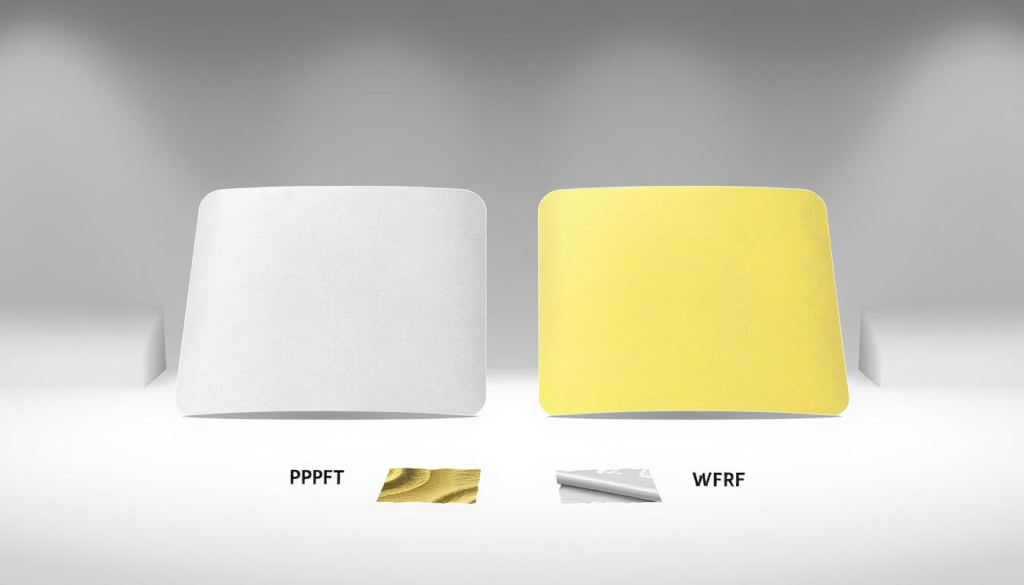
PPF vs. Vinyl Wraps: Yellowing Comparison
Vinyl wraps and PPF are both used to protect cars. But, they handle yellowing differently. Vinyl wraps can yellow easily because of their makeup and adhesives.
On the other hand, PPF is made to not yellow. It stays clear for a long time. PPF’s advanced materials help it keep its color.
PPF vs. Ceramic Coatings: Long-term Clarity
Ceramic coatings also protect your car’s paint. But, how do they compare to PPF for keeping paint clear? Ceramic coatings are great at keeping water away and minor scratches off. Yet, they don’t protect as well as PPF.
But, ceramic coatings don’t yellow like PPF or vinyl wraps do. They don’t have the same adhesives or polymers.
In short, PPF is a top choice for car protection. It offers great physical protection and doesn’t yellow easily. This makes it a favorite among car owners.
Premium PPF Options That Resist Yellowing
SunTek PPF is a top choice for preventing yellowing. It keeps your car looking new for a long time. Look for advanced PPF products for the best protection.
SunTek PPF: Industry-Leading Technology
SunTek PPF is known for its quality and technology. It stops yellowing and keeps your car looking great.
- Advanced UV protection to prevent degradation
- High-gloss finish that maintains the vehicle’s appearance
- Self-healing properties for minor scratches
| Feature | Benefit | Result |
|---|---|---|
| UV Protection | Prevents yellowing and degradation | Long-lasting clarity |
| High-Gloss Finish | Maintains vehicle’s original appearance | Enhanced aesthetic appeal |
| Self-Healing Properties | Repairs minor scratches | Durable protection |
Advanced Features of Modern PPF Products
Modern PPF products, like SunTek PPF, have new tech. They work better and last longer. Some cool features include:
Improved Adhesives: These stick well without leaving marks when removed.
Enhanced Optical Clarity: They look clear and shiny, without harming your car’s paint.
Choosing SunTek PPF means your car stays safe and looks good for years.
When to Replace Your PPF
Knowing when to replace your PPF can save you money and time. You should replace your vehicle’s Paint Protection Film (PPF) when it’s old, damaged, or not protecting well anymore.
Average Lifespan of Quality PPF
A good PPF lasts from 5 to 10 years. This depends on the brand, type, and where it’s used. Things that affect PPF longevity include:
- UV radiation
- Film quality
- How it’s installed
- Maintenance
Cost-Benefit Analysis of Replacement
Thinking about replacing your PPF? It’s important to look at the costs and benefits. Replacing it might cost a lot, but it keeps your car looking good and safe. Things to think about in this cost-benefit analysis are:
- Your PPF’s current state
- The price of a new PPF
- How it might affect your car’s resale value
By looking at these points, you can decide wisely. This ensures you’re spending your money well and keeping your car safe and looking great.
Why Professional Installation Matters for Preventing Yellowing
Getting a pro to install PPF is key to stopping it from turning yellow. It keeps your car looking good and protected for a long time.
A pro installer makes sure the PPF sticks well to your car. This means no air bubbles or wrinkles that can cause color changes. They also apply the film just right, which helps prevent yellowing.
Common Installation Errors That Lead to Yellowing
Some common mistakes can make PPF turn yellow. These include:
- Air bubbles trapped between the film and the vehicle’s surface
- Insufficient cleaning of the surface before application
- Incorrect tensioning of the film
- Using low-quality installation tools
These errors can weaken the PPF, making it more likely to yellow. A pro installer can help you avoid these problems.
What to Look for in a Professional Installer
When picking a pro for your PPF job, look for these things:
| Factor | Description |
|---|---|
| Experience | Choose installers with a good history of PPF jobs |
| Training | Make sure they’ve been trained by well-known makers |
| Reviews | Check what past customers say online |
| Warranty | Look for a warranty on their work |
By picking a pro who checks all these boxes, you’ll get a PPF job done right. This means less chance of yellowing and more protection for your car.
Why Choose 218 Customs for Your PPF Needs
218 Customs is a top choice for protecting your car’s paint. They are known for their quality PPF installations. Car lovers in Lakewood and Denver trust them.
The team at 218 Customs is very skilled. They use premium SunTek PPF products. Your car will get the best protection against the weather.
Expertise in Premium SunTek PPF Products
218 Customs is great at using SunTek PPF products. These products are strong and clear. You get:
- Advanced training in PPF installation techniques
- Access to top-tier PPF materials
- Proven track record of successful installations
Comprehensive Vehicle Protection Services
218 Customs does more than just PPF. They protect your car in many ways. Their services include:
| Service | Description | Benefit |
|---|---|---|
| PPF Installation | Expert installation of premium PPF | Long-lasting paint protection |
| Ceramic Coating | Advanced ceramic coating for enhanced protection | Improved durability and gloss |
| Window Tinting | Professional window tinting services | UV protection and heat reduction |
Serving Lakewood and Denver with Excellence
218 Customs is proud to serve Lakewood and Denver. They offer great service and pay attention to details. Their work shows they care a lot.
“The team at 218 Customs went above and beyond to ensure our vehicle was protected to the highest standard. Their professionalism and expertise are unmatched!”
Choosing 218 Customs means your car is in safe hands. They focus on quality. They also give PPF maintenance tips and care about PPF longevity. Your car will stay protected for a long time.
Conclusion
You now know that Paint Protection Film (PPF) can turn yellow over time. This happens due to sun exposure, chemicals, and bad installation. Does PPF turn yellow over time? Yes, it can, depending on the film’s quality, how it’s installed, and how well it’s maintained.
To stop PPF from turning yellow, pick high-quality films. Make sure they’re installed right. Also, keep up with regular care. This way, you get to enjoy PPF’s benefits like protecting against chips, bugs, and UV rays.
At 218 Customs, you get top-notch SunTek PPF products. They offer great vehicle protection and are all about being the best. Choosing 218 Customs means your car’s finish is safe and stays clear for a long time.
With the right care, your PPF will keep your car’s paint safe for years. Don’t let yellowing PPF ruin your car’s look. Take steps to prevent discoloration and keep your car’s finish shiny and long-lasting.