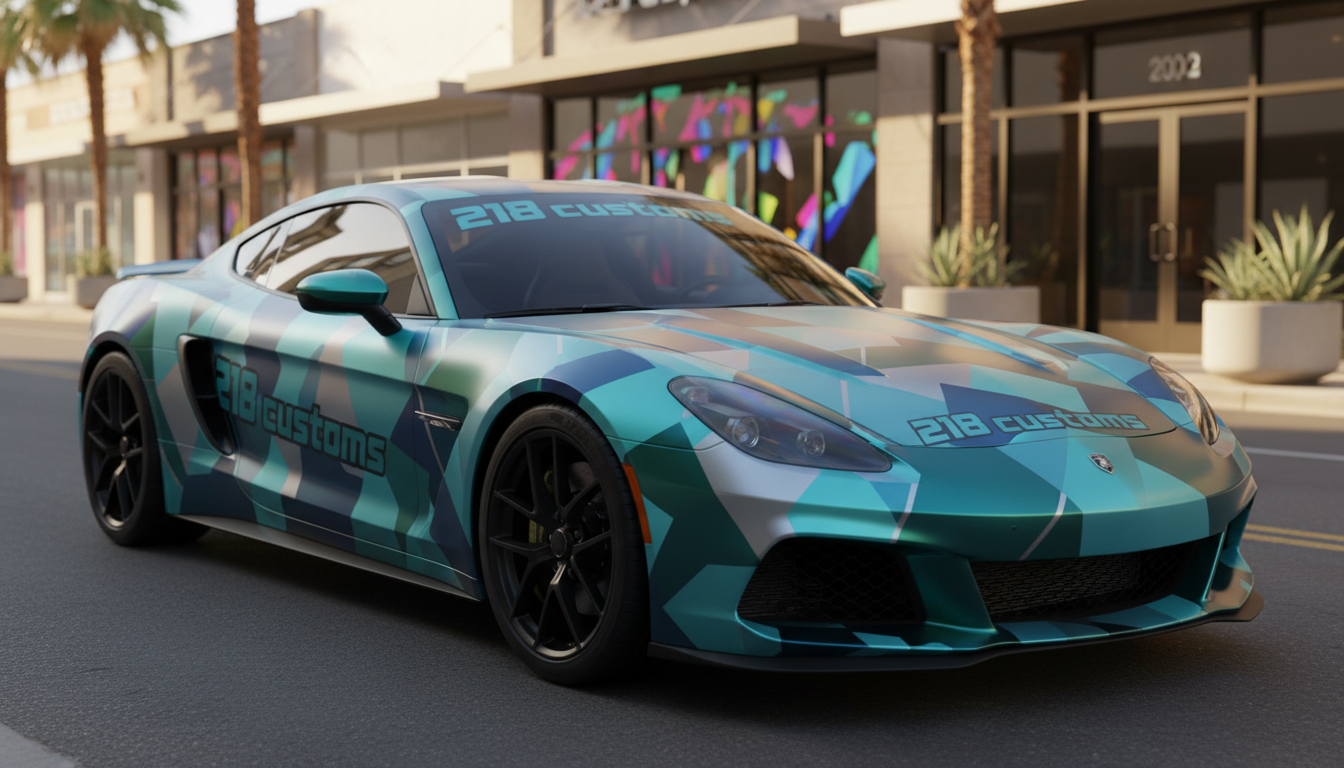
More and more car owners are choosing car wraps to make their vehicles unique. A vinyl wrap can change a car’s look completely. It offers many colors and finishes.
Using a vinyl wrap has a big plus: it protects the paint. People worry it might damage the paint, but a well-applied wrap actually keeps it safe. It guards against weather damage and small scratches.
Key Takeaways
- Car wraps offer a versatile way to change a vehicle’s appearance.
- Vinyl wraps can protect the underlying paint.
- Proper application is key to avoiding damage.
- Wraps come in a variety of colors and finishes.
- They provide a non-committal alternative to painting.
The Relationship Between Car Wraps and Paint Protection
Many car owners wonder if car wraps protect their vehicle’s paint. The answer depends on the wrap type, paint condition, and how well it’s installed and cared for.
Modern car wraps are not just for looks. They also protect the original paint from the environment. To see how well they work, we need to look at their materials and how they interact with the paint.
What Modern Vehicle Wraps Are Made Of
Today’s wraps are made from vinyl materials that last a long time. They come in finishes like gloss, matte, and satin. This lets owners change their car’s look. The vinyl is also removable, which is key for keeping the paint safe.
Wraps have layers: an adhesive, a vinyl layer for color and design, and a topcoat for protection. This helps us understand how wraps can protect the paint.
| Layer | Function |
|---|---|
| Topcoat | Protects vinyl from fading and damage |
| Vinyl Layer | Provides color and design |
| Adhesive Layer | Sticks to the vehicle’s paint |
How Wraps Interact with Factory Paint
When applied right, a wrap sticks well to the paint. This bond is key for paint protection. A good wrap can block UV rays, minor scratches, and other damage.
The wrap’s effect on the paint also depends on the paint’s condition. If the paint is good, the wrap can keep it looking great. But if the paint is damaged, the wrap might not stick well or could make things worse.
Does Wrapping a Car Damage Paint? The Truth Revealed
Many car owners worry if wrapping their vehicle will harm the paint. This worry is understandable, as a car’s paint job is a big investment. We must look into how car wraps affect paint protection.
The idea that wrapping a car damages its paint is a myth. Modern vinyl wraps are safe for a car’s paint. A study in the Journal of Vinyl and Wrap Technology found that vinyl wraps protect paint from UV rays, road debris, and more.
Common Misconceptions About Vinyl Wraps
Many think vinyl wraps harm a car’s paint when removed. But, high-quality vinyl wraps are made to be removed without damage. In fact, car makers use vinyl wraps to protect paint during shipping and storage.
Some believe vinyl wraps don’t work with all paints. While some paints might be more vulnerable, most modern paints are fine with vinyl wraps. Always talk to a pro to see what’s best for your car.
Scientific Evidence on Wrap-Paint Interaction
Studies show vinyl wraps can help a car’s paint. The Vinyl Institute found vinyl wraps reduce paint fading from UV rays. They also protect against bug splatters and tar, which can harm paint.
Scientific evidence proves vinyl wraps are safe for a car’s paint and offer extra protection. Knowing how vinyl wraps and paint interact helps car owners decide if they should wrap their vehicle.
Types of Vehicle Wraps and Their Impact on Paint
Vehicle wraps can affect your paint in different ways. The type of vinyl used is key. Knowing how each type impacts paint is important for choosing the right one.
Cast Vinyl Wraps
Cast vinyl wraps offer a high-quality finish and last long. They fit well on complex shapes and don’t shrink much. This makes them great for detailed designs. Cast vinyl is pricier but its durability is worth it.
Calendered Vinyl Wraps
Calendered vinyl wraps are also popular. They might shrink more and fit less well on complex shapes than cast vinyl. Still, they’re a good choice for those watching their budget. Think carefully about calendered vinyl before deciding.
Color Change vs. Clear Protection Films
Color change films change your vehicle’s look, offering many colors and finishes. Clear protection films, on the other hand, keep the paint safe without changing its look. Your choice depends on what you want. For more on car wraps and paint, check out 218customs.com.
| Type of Vinyl Wrap | Durability | Conformability | Cost |
|---|---|---|---|
| Cast Vinyl | High | Excellent | Higher |
| Calendered Vinyl | Medium | Good | Lower |
| Color Change Films | Varies | Good | Varies |
| Clear Protection Films | High | Excellent | Higher |
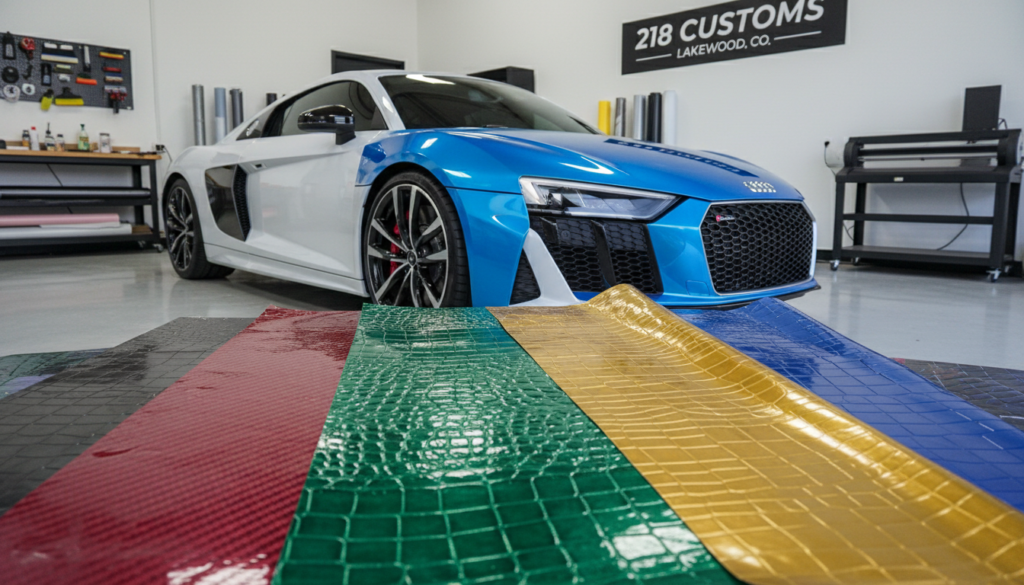
In conclusion, the wrap you choose can greatly affect your paint. By understanding the differences between cast vinyl, calendered vinyl, and other wraps, you can protect your paint and get the look you want.
Potential Benefits of Wrapping for Paint Preservation
Car wrapping is more than just a cosmetic touch. It also protects the vehicle’s paint. This makes it a great choice for car owners who want to keep their car looking good and lasting longer.
UV Protection Properties
Wrapping a car offers UV protection by blocking harmful ultraviolet rays. These rays can make paint fade and degrade. High-quality wraps use materials that absorb or reflect UV radiation. This helps keep the paint’s original color and finish.
For more details on the cost and durability of wraps versus paint, check out 218customs.com.
Physical Barrier Against Environmental Contaminants
A car wrap also acts as a physical barrier against dust, dirt, and pollutants. These can damage paint by causing scratches or chemical reactions that change its color. By covering the paint, a wrap keeps it safe from these harmful effects.
In summary, car wrapping not only makes your car look better. It also protects it from UV rays and environmental contaminants, keeping the paint in great condition.
Situations Where Wraps Could Potentially Harm Paint
Car wraps are usually safe for most vehicles. But, there are times when they might harm the paint. Knowing these situations is key to keeping your car’s paint in good shape.
Pre-existing Paint Damage Concerns
If your car’s paint is already damaged, a wrap could make it worse. Scratches, fading, or rust can get worse under the wrap. Fix any paint problems before you wrap your car.
Poor Installation Practices
Bad installation can also damage the paint. If the wrap is not put on right, it might bubble, crease, or even pull off the paint. Getting a pro to install it can help avoid these problems. For more on car wrap costs and why professional installation matters, check out car wrap cost.
Low-Quality Vinyl Materials
Using cheap vinyl for your wrap can also harm the paint. Low-quality vinyl might not stick well or could leave marks when you take it off. It’s important to use high-quality vinyl to protect your car’s paint.
In summary, car wraps are great for protecting your car’s paint. But, there are certain situations where they might cause harm. Knowing these risks can help you make a better choice.
The Importance of Paint Condition Before Wrapping
Before you wrap your vehicle, check the paint first. A good look will tell you if wrapping is right for your car.
Ideal Paint Preparation Steps
To wrap your car well, follow these steps:
- Inspect the paint: Check for scratches, chips, or fading.
- Clean the surface: Wash and dry the car to remove dirt and wax.
- Repair any damage: Fix paint problems before wrapping.
When to Reconsider Wrapping Your Vehicle
If your car’s paint is bad, think twice about wrapping. Pre-existing paint damage can get worse with wrapping.
| Paint Condition | Wrapping Suitability |
|---|---|
| Good | Suitable for wrapping |
| Fair | May require repairs before wrapping |
| Poor | Not recommended for wrapping |
In conclusion, checking your car’s paint is key before wrapping. Follow the right steps and consider the paint’s state for a great wrap.
Professional vs. DIY Installation: Impact on Paint Safety
Wrapping your car is more than just the wrap itself. How it’s installed matters a lot. A pro can do it right, keeping your car’s paint safe. But, doing it yourself can lead to big problems.
Why Professional Installation Matters
Experts know how to wrap cars right. They use special skills and tools. This ensures your wrap looks good and keeps your car’s paint safe.
Some benefits of going pro include:
- They know how to work with different vinyls and surfaces.
- They have the best tools for the job.
- They make sure the wrap is smooth and bubble-free.
- They often offer a warranty on their work.
Choosing a pro means your car’s paint is in good hands.
Common DIY Mistakes That Can Damage Paint
DIY might save money, but it’s risky. Mistakes can harm your car’s paint. Some common errors include:
- Not preparing the surface right, leading to poor stick.
- Getting air bubbles and wrinkles from wrong application.
- Using the wrong tools and damaging the paint.
- Not following the instructions, ending up with a bad finish.
Understanding these risks is key. If you’re not sure, it’s safer to hire a pro.
In short, wrapping your car is about more than just the wrap. It’s about how it’s put on. Go for a pro to avoid damaging your car’s paint. A DIY job can be a gamble – choose quality with a professional installation.
Long-Term Effects: How Wraps Age With Your Paint
Wrapping a car raises concerns about its impact on the paint over time. As years go by, several factors can change both the wrap and the paint’s condition.
Climate and Environmental Factors
Climate and environment greatly affect how wraps age. Intense sunlight, heavy rain, and extreme temperatures can harm the wrap’s adhesive and look. UV rays, for example, can make the wrap fade or become hard.
To learn more about car wraps and the environment, check out this guide on whether car wraps damage paint.
Case Studies: Vehicles After 5+ Years of Wrapping
Studies on cars wrapped for over five years are available. They show that good wraps can protect the paint well. For example, a study found that high-quality vinyl wraps kept the paint looking great, with little aging.
For more on car wrap durability, read this article on how long car wraps last.
Signs It’s Time to Remove or Replace Your Wrap
Knowing when to replace a wrap is key. Signs include fading, cracking, or peeling. Also, if the wrap lifts at the edges or is hard to clean, it’s time for a new one to avoid paint damage.
The Wrap Removal Process and Paint Protection
Removing a wrap without harming the paint is key. The right techniques are essential. They help keep the paint safe and the vehicle in top shape after the wrap is off.
Proper Removal Techniques
To avoid paint damage, use heat and gentle peeling. Heat makes the adhesive easier to remove. A plastic scraper or special tool is best to avoid scratches.
For more details, check out this resource.
Potential Issues During Removal
Even with care, problems can still occur. The wrap might tear or leave sticky residue. To avoid this, work slowly and carefully.
If residue stays, a gentle adhesive remover can help. It cleans without harming the paint.
| Removal Technique | Benefits | Potential Issues |
|---|---|---|
| Using Heat | Loosens adhesive, easier removal | Potential for paint damage if overheated |
| Plastic Scraper or Removal Tool | Reduces risk of scratching paint | May not be effective for all adhesives |
| Gentle Adhesive Remover | Cleans adhesive residue | May leave residue if not used correctly |
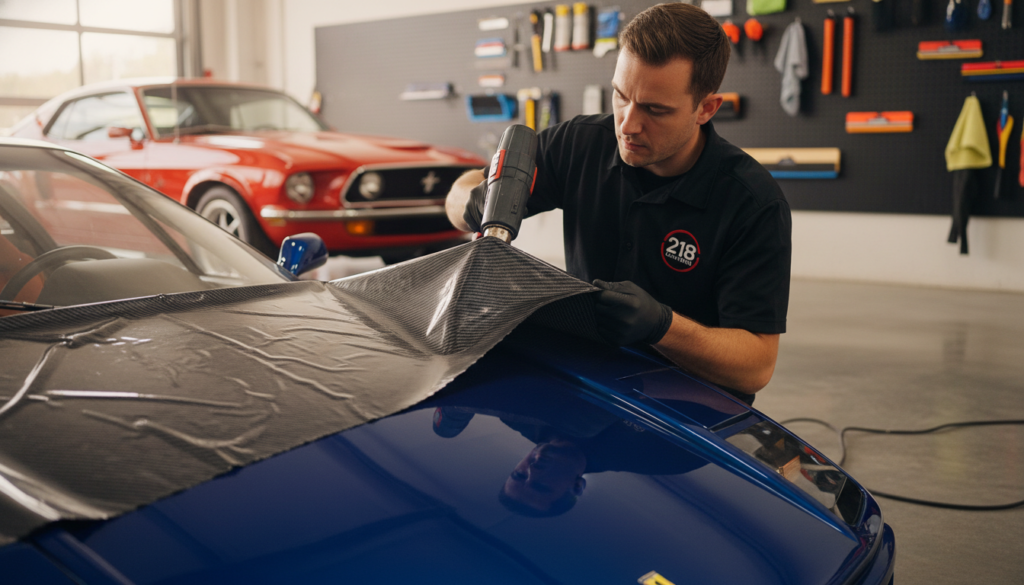
By following these steps and knowing the risks, you can safely remove a wrap. This protects your vehicle’s paint.
Maintenance Tips to Ensure Your Wrap Protects Your Paint
To keep your vehicle wrap working well, regular care is key. A few easy steps can help your wrap protect your paint for a long time.
Proper Cleaning Techniques
Cleaning your wrapped car needs some attention to avoid harm. Use a gentle soap and water mix. Stay away from strong washes or rough cleaners that might scratch the wrap. A soft, microfiber cloth is best for cleaning, as it won’t leave lint or marks.
For stubborn stains, a special wrap cleaner can help. But, always read the instructions carefully before using it.
Avoiding Damage to Both Wrap and Paint
Keeping your wrap in good shape also means avoiding direct sunlight for too long. It can make the wrap fade or become hard. Also, watch out for things like bird droppings or tree sap, as they can harm the wrap.
Check your wrap often for any signs of wear or damage. This way, you can fix small problems before they get bigger.
Conclusion: Making an Informed Decision About Car Wrapping
Thinking about getting a car wrap? It’s key to look at the good and bad sides. Modern wraps can shield your car’s paint from dirt and UV rays. But, the wrap’s quality, how it’s put on, and your car’s paint condition matter a lot.
To choose wisely, think about the vinyl type, the installer’s skill, and your car’s paint. Knowing these helps make sure your car looks and stays great.
A good car wrap can really help keep your car in top shape. Knowing the risks and how to avoid them lets you enjoy the benefits. This way, your car’s paint stays safe and looks amazing.