
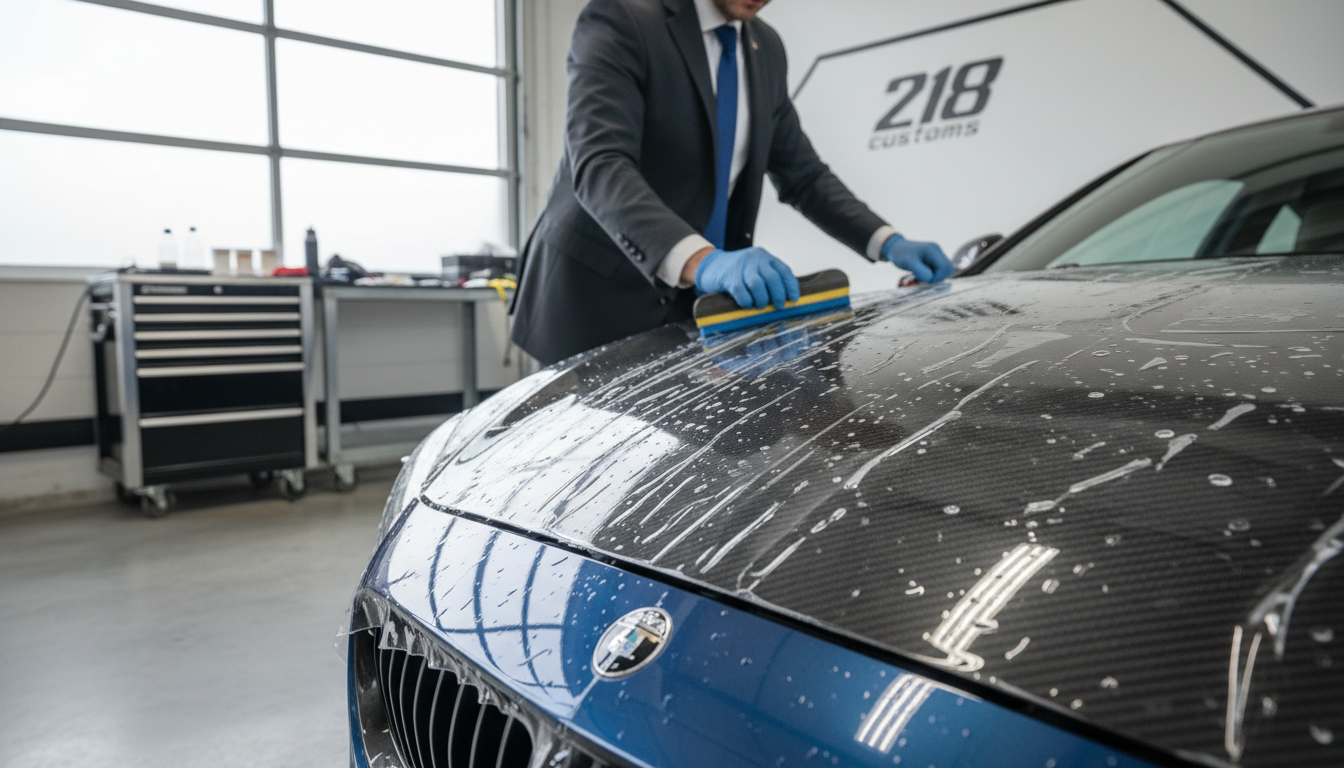
The life of paint protection film on a car depends on several important factors. Knowing these factors and taking steps to keep the film in good shape can help. This ensures it protects your car’s paint as much as possible. For more details on car wrap durability and how it compares to PPF, see our guide onhow long a car wrap lasts.
Understanding Paint Protection Film (PPF)
CovrGard Paint Protection Film is a top choice for keeping your car’s exterior safe. It’s a clear film that goes on the paint to guard it against damage.
What is Paint Protection Film?
Paint Protection Film is a clear, tough layer that protects your car’s paint from rocks, debris, and UV rays. PPF is made from high-quality polyurethane, offering great protection without changing your car’s look.
How PPF Works to Protect Your Vehicle
PPF absorbs the impact of outside factors, keeping your paint safe from damage. It’s great at stopping stone chips and scratches. Using PPF means you’ll need to fix your paint less often, saving you money.
Benefits of Using PPF
Using Paint Protection Film keeps your car’s paint safe from scratches, chips, and fading. 218 Customs says PPF makes your car’s paint last longer. Here are some key benefits:
- Protection against stone chips and scratches
- UV protection to prevent paint fading
- Easy maintenance and cleaning
- Long-term preservation of the vehicle’s appearance
| Benefits | Description |
|---|---|
| Protection against stone chips and scratches | PPF absorbs impact, preventing damage to the paint |
| UV protection | Prevents paint fading due to sun exposure |
| Easy maintenance | Simplifies cleaning and reduces the need for frequent waxing |
Knowing how Paint Protection Film works and its benefits helps car owners protect their car’s exterior. PPF is a smart choice for keeping your car looking good and its value up.
The Average Lifespan of Paint Protection Film
Paint protection film, or PPF, protects your car’s paint from damage. But how long does it last? Knowing the lifespan of PPF is key for car owners who want to keep their paint safe.
Standard PPF Durability Expectations
High-quality PPFs usually last 5 to 10 years. This depends on the film’s quality and how well it’s cared for. Premium brands like XPEL and 3M are known for lasting longer and often come with long warranties.
Manufacturer Warranty
A warranty from the maker tells you about a PPF’s expected life. A 5 to 10 year warranty shows the maker trusts its product. For example, XPEL’s top PPF has a 10-year warranty, showing it’s made to last.
Comparing Budget vs. Premium PPF Longevity
When you look at cheap PPF versus the expensive kind, the difference is clear. Cheap PPF might seem like a good deal at first, but it doesn’t last as long. It also doesn’t have the same warranty as the more expensive options.
| PPF Type | Average Lifespan | Warranty Period |
|---|---|---|
| Budget PPF | 2-5 years | 2-3 years |
| Premium PPF | 5-10 years | 5-10 years |
Choosing a premium PPF and taking good care of it can make your paint last longer. This way, your car stays safe and protected for many years.
How Long Does Paint Protection Film Last Under Different Conditions
PPF’s lifespan varies based on how it’s used and the environment it’s in. Knowing these factors helps car owners choose the right paint protection.
Daily Commuter Vehicles
Daily drivers face many challenges like road debris and harsh weather. They also get washed often. These factors can shorten PPF’s life. For example, studies show that PPF on these cars can last 5 to 7 years, depending on the film’s quality and care.
Weekend and Show Cars
Weekend and show cars get more care and are often parked in garages. This means they face fewer harsh conditions. So, their PPF can last longer, sometimes up to 10 years or more, with good care.
Commercial and Fleet Vehicles
Commercial and fleet cars are used a lot, which can wear out PPF faster. They face heavy traffic, construction, and changing weather. So, PPF on these cars usually lasts 3 to 5 years.
To keep PPF lasting longer, no matter the car’s use, follow good care tips. Wash regularly with the right products and avoid harsh chemicals. For more tips, check out this guide on vinyl wrap and paint differences.
Environmental Impacts on PPF Durability
Many things can affect how long Paint Protection Film (PPF) lasts. Knowing what these are helps keep the film working well for a long time.
Effects of Extreme Heat and Sun Exposure
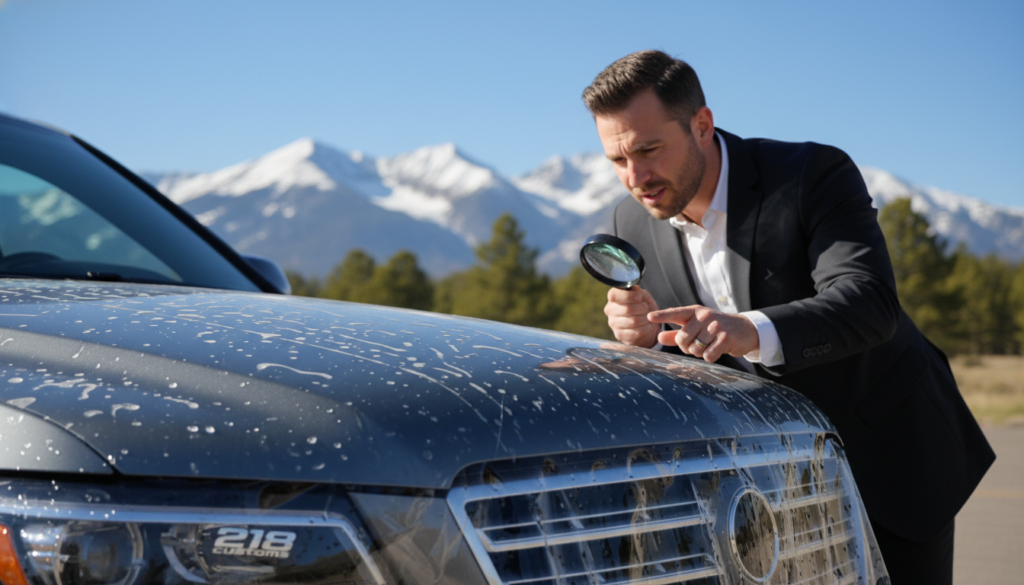
Too much heat and sun can make PPF wear out quicker. High temperatures can make the film brittle or cause bubbles. It’s important to think about this when you’re planning how long PPF will last on your car. For more tips on keeping your car safe, check out PPF installation at 218 Customs.
Cold Weather and PPF
Cold weather can also harm PPF. Freezing temperatures might make the film crack. But, most PPFs today are made to handle different temperatures and still protect your car.
Coastal Areas and Salt Air Exposure
Cars near the sea need extra care because of salt air. Salt can damage the adhesive in PPF, causing it to lift or have other problems. Keeping up with paint protection film maintenance is key to keeping it working right in these areas.
Knowing how the environment affects PPF helps car owners take better care of their film. This way, they can make it last longer.
Signs Your Paint Protection Film Is Deteriorating
Like any protective measure, paint protection film has a lifespan. It can deteriorate, showing signs that need attention. Spotting these signs early helps you act fast to keep your vehicle safe.
Yellowing and Discoloration
Yellowing or discoloration is a common sign of PPF wear. It can happen from UV rays, chemicals, or the environment. If your PPF turns yellow or has uneven color, it’s degrading.
Edge Lifting and Peeling
Edge lifting or peeling shows your PPF is wearing out. It might be from bad installation, extreme weather, or just time. Look at the edges of your PPF for any lifting or peeling.
Surface Damage and Wear Patterns
Scratches, cracks, or wear patterns also mean your PPF is failing. Check your PPF often for damage. Fix it quickly to stop it from getting worse.
| Signs of Deterioration | Causes |
|---|---|
| Yellowing/Discoloration | UV exposure, chemicals |
| Edge Lifting/Peeling | Improper installation, extreme temperatures |
| Surface Damage | Scratches, wear and tear |
For more info on keeping your vehicle’s paint safe, visit 218 Customs. They explain how car wraps affect your paint.
Proper Maintenance to Extend PPF Lifespan
Proper Maintenance to Extend PPF Lifespan (350 words)
To make your paint protection film (PPF) last longer, you need to take care of it. Regular maintenance keeps the film in top shape and protects your car’s paint. By following a few easy steps, you can make your PPF last longer.
### Recommended Cleaning Products and Methods
Choosing the right cleaning products and methods is key. Don’t use harsh chemicals or rough materials that can harm the film. Instead, use a mild soap or a PPF cleaner. A soft, microfiber cloth is best for cleaning.
### Washing Frequency and Best Practices
How often you wash your PPF depends on how you use your car and where you live. Generally, wash your car every two weeks. But if you live in a polluted area or near the sea, you might need to wash it more often.
### Avoiding Damaging Chemicals and Techniques
Some chemicals and methods can harm your PPF. Avoid high-pressure washes, as they can make the film lift or come off. Also, don’t use household cleaners or products with solvents, as they can damage the film.
By following these tips and being careful with what you use, you can extend your PPF’s life. This keeps your car safe and looking good.
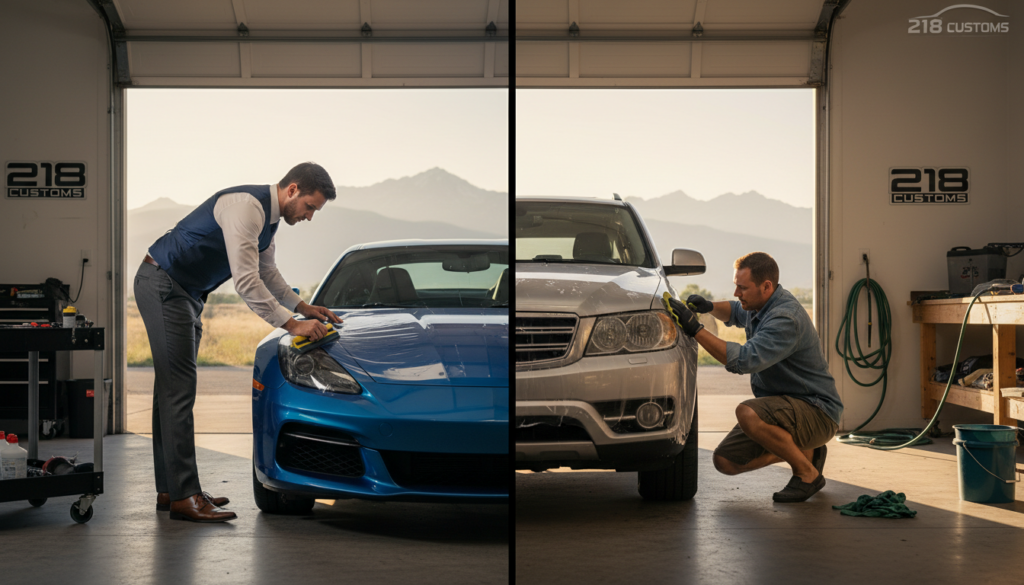
Professional vs. DIY PPF Maintenance
To keep your car’s PPF in top shape, knowing the difference between professional and DIY care is key.
Benefits of Professional Servicing
Professional care can make your PPF last longer. Experts like 218 Customs know how to keep the film in great condition. This ensures it keeps protecting your car’s paint well.
Key benefits include:
- Expert knowledge and specialized equipment
- High-quality cleaning products and techniques
- Early detection of potential issues
Safe DIY Maintenance Tips
If you like to do your own PPF care, it’s important to use safe and effective methods. Choose gentle cleaning products and avoid harsh materials that can harm the film.
Recommended practices include:
- Washing your vehicle regularly with mild soap
- Avoiding high-pressure washes that can lift the film’s edges
- Drying the vehicle thoroughly to prevent water spots
By following these tips, you can keep your PPF in good shape and make it last longer.
When to Seek Professional Help
While DIY care is helpful, sometimes you need a pro. If you see signs of damage, like yellowing or edge lifting, get expert help.
“Regular professional maintenance can prevent minor issues from becoming major problems, ensuring your PPF continues to protect your vehicle’s paint effectively.”
Don’t wait to get professional help to keep your car looking great and protect your investment.
The Long-Term Benefits of Quality Paint Protection Film
Quality PPF is more than just a protective layer. It’s a long-term investment in your vehicle’s look and value. It keeps your vehicle’s paint safe from damage, helping it look good and stay in great shape.
Preserved Resale Value
One big benefit of quality PPF is keeping your vehicle’s resale value high. A car with protected paint looks better to buyers, which means it can sell for more. Industry insights show that cars with PPF hold their value better than those without.
Reduced Need for Paint Correction
Quality PPF means you won’t need to fix your paint as often. It protects your car from damage caused by the environment and road hazards. This saves you money and makes keeping your car looking good easier.
Protection Against Road Hazards and Environmental Damage
PPF keeps your car safe from things like stone chips and bug splatters. It also protects against damage from UV rays, bird droppings, and tree sap. This helps keep your car’s paint in top condition and looking great for a long time.
Replacing Your Paint Protection Film
## Replacing Your Paint Protection Film
Replacing your car’s paint protection film (PPF) is key to keeping it looking great. Over time, PPF can wear out from weather, road debris, and UV rays. We’ll talk about when to replace it, how to remove it, and the perks of newer PPF tech.
### When to Consider Replacement
Keep an eye on your PPF’s condition to know when to replace it. Here are signs it’s time for a new one:
*Yellowing or Discoloration: If your PPF turns yellow or gets uneven, it’s time for a new one.
*Edge Lifting or Peeling: If the edges start lifting or peeling, it’s not working right anymore.
*Surface Damage: Big damage to your PPF means it’s time for a new one.
Removing PPF needs care to avoid hurting the paint. Here’s how to do it:
1.Prepare the necessary tools: You’ll need a heat gun, a scraper, and some adhesive remover.
2.Apply heat: Warm the PPF with a heat gun to make it easier to remove.
3.Scrape off the PPF: Gently pry off the PPF with a scraper, starting from one edge.
4.Remove adhesive residue: Clean off any leftover residue with an adhesive remover.
Getting a new PPF is a chance to get better tech. Modern PPFs last longer, heal scratches, and block UV rays better. When picking a new PPF, think about these things:
*Durability: Choose PPFs that last longer and handle stress better.
*Self-healing properties: Look for PPFs that can fix small scratches and damage on their own.
*UV protection: Make sure the new PPF blocks UV rays well to prevent paint fading and damage.
Knowing when to replace your PPF, how to remove it, and the benefits of new tech will keep your car’s exterior looking great.
Conclusion: Maximizing Your Vehicle Protection Investment
To make your paint protection film (PPF) last longer, knowing its average lifespan is key. Also, understanding what affects its durability is important. By following the tips in this article, you can protect your car’s paint for years.
The life of PPF depends on several things. These include the film’s quality, the environment, and how well you maintain it. A top-notch PPF can last 5 to 10 years. Regular washing and avoiding harsh chemicals help extend its life.
Investing in quality PPF and proper care protects your car’s paint. It keeps your car looking good and its value high. This also saves you money on paint repairs later on.
To get the most from your PPF, watch for signs of wear and fix problems quickly. This way, your PPF will last longer, keeping your car looking great for years. Knowing how long PPF lasts and how to extend its life is crucial for protecting your vehicle.