
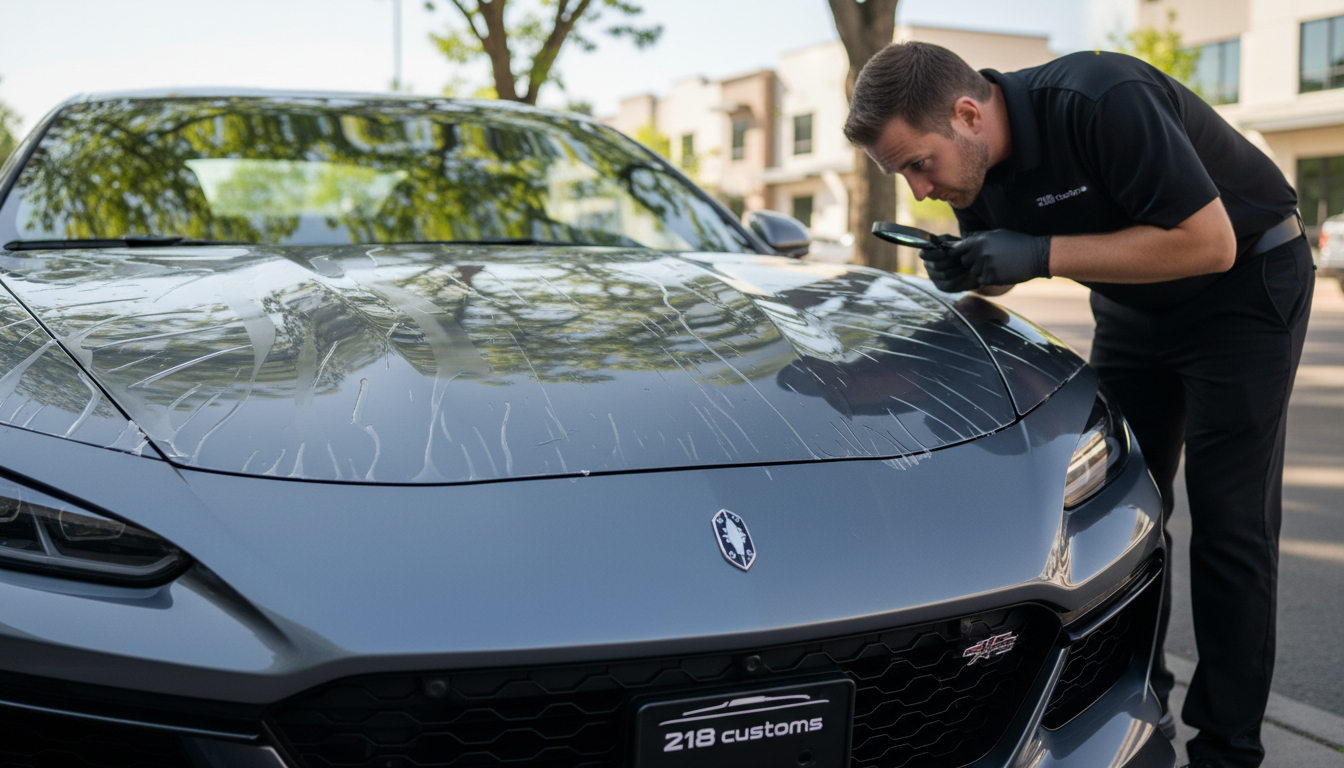
Vehicle owners can now protect their cars’ paint jobs with a new technology called self-healing paint protection film. This innovative solution is changing how we keep our vehicles looking good.
The self-healing paint protection film is a thin, clear layer of thermoplastic polyurethane. It sticks to the car’s paint, acting as an invisible shield. It protects against scratches, rock chips, and other damage. Thanks to its unique three-layer structure, this film offers top-notch protection and can even heal itself when damaged.
For more information on how this technology works, visit this link to explore the details of self-healing technology in PPF.
Key Takeaways
- Innovative self-healing PPF technology protects vehicle paint from damage.
- The film’s three-layer structure provides superior protection and self-healing capabilities.
- Self-healing PPF can last up to 10 years with proper maintenance.
- It protects against UV rays, bird droppings, and other contaminants.
- Regular washing and professional inspections are recommended to maintain its effectiveness.
The Evolution of Vehicle Protection
The world of car care has changed a lot. As cars get more advanced, we need better ways to protect them. This need has led to new ideas in the industry.
From Traditional Waxes to Modern Solutions
Old ways to protect cars included waxes and surface treatments. But these methods didn’t last long or work well. Now, modern paint protection films (PPF) have changed how we keep cars safe.
PPFs today shield cars from dirt, UV rays, and small scratches. They last longer than waxes and are more effective.
The Birth of Paint Protection Film
PPF started in the military to protect gear. It was then used for cars, becoming the PPFs we know today.
Military Origins to Automotive Application
When PPF moved from the military to cars, it was a big step. It could handle many types of damage. This made it perfect for car owners who wanted to keep their cars looking good.
Now, PPF is a key part of car care. It gives car owners peace of mind and strong protection.
For more info on the best self-healing PPF and top-rated paint protection films, visit https://218customs.com/ppf/.
What Is Self-Healing Paint Protection Film
Self-healing paint protection film has changed how we protect our cars. It acts as a strong shield against scratches and damage. Plus, it can fix itself.
Defining Modern PPF Technology
Modern Paint Protection Film (PPF) has come a long way. Self-healing PPF leads this change. It uses new materials and tech for better protection.
The Core Components That Enable Self-Healing
The self-healing feature of PPF comes from its layers. This design lets the film fix itself after damage.
Multi-Layer Construction
Self-healing PPF has a topcoat, a self-healing layer, and an adhesive layer. The self-healing layer is key. It fixes small scratches and swirls. Experts say it’s a big deal for car protection.
“The self-healing technology is a significant advancement in vehicle protection, offering car owners a proactive way to maintain their vehicle’s appearance.”
As a durable paint protection film, it keeps the car’s paint safe. It also keeps the car looking good over time. This is great for keeping the car’s value up.
Knowing how self-healing PPF works helps car owners choose the right protection. Whether it’s a self healing car wrap or traditional protection, understanding the options is key.
The Science Behind Self-Healing Technology
The science of self-healing technology is really cool. It involves knowing a lot about polymers and how they act under different conditions. This knowledge is what makes self-repairing paint protection films special. They offer long-lasting protection for car paints.
Polymer Chemistry at Work
The magic of these films comes from their polymer chemistry. The topcoat is made from a special polymer that can “heal” itself. This happens when it’s exposed to heat or light.
- The polymer chains in the topcoat can relax and reform. This lets the material fix scratches and damages.
- This healing is possible because of the polymer’s unique molecular structure. It’s designed to be very flexible and strong.
Thermoplastic Polyurethane Properties
Many self-repairing paint protection films use thermoplastic polyurethane (TPU). TPU is super durable, flexible, and resistant to scratches and chemicals. These traits make it perfect for protecting car paints from daily wear and tear.
TPU can be melted and reshaped many times without changing much chemically. This is key for self-healing. It lets the material flow and cover up scratches when it’s heated.
Elastomeric Memory Characteristics
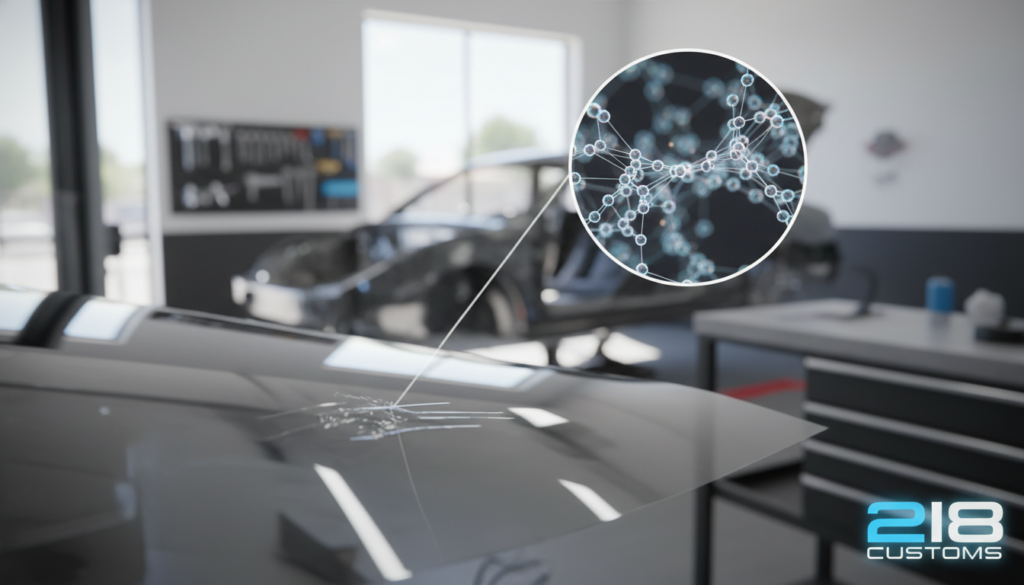
The elastomeric memory of the polymer in these films is also important. Elastomeric materials can stretch a lot without breaking. They also remember their original shape.
This memory is what lets the film go back to its original state after damage. When heated, the elastomeric material relaxes and reforms. This “heals” the damage.
Understanding the science behind self-healing technology shows why these films are a top choice for protecting car paints. They can fix damages, making them a long-lasting paint protection film that keeps cars looking good for years.
How the Self-Healing Process Actually Works
At the heart of self-healing paint protection films is a sophisticated process. It uses heat to repair damages. This technology makes advanced self-healing clear bras different from traditional methods.
The Trigger: Heat Activation Methods
The self-healing process starts with heat. This heat can come from sunlight, warm water, or the car’s engine. When thermoplastic polyurethane in the clear bra gets hot, it starts to repair itself.
Molecular Realignment Process
The molecular structure of self-healing paint protection films can fix itself. This is because of its elastomeric memory characteristics. It “remembers” its original shape and returns to it when heated.
Timeline of Self-Healing in Action
The time it takes for self-healing depends on the damage and temperature. Minor scratches can heal in a few hours in warm conditions.
From Damage to Recovery
The recovery process has several stages. It starts with damage, then heat activation, and ends with molecular realignment. Knowing this helps us understand the advanced technology behind self-healing clear bras.
In conclusion, the self-healing process in paint protection films is amazing. It keeps vehicles looking great. By understanding it, we see why advanced self-healing clear bras are worth it for car protection.
Types of Damage Self-Healing PPF Can Repair
Self-healing Paint Protection Film (PPF) is a big step forward in car protection. It can fix many types of damage. This tech helps make your car’s paint look new again by fixing small issues.
Minor Scratches and Swirl Marks
Self-healing PPF is great for fixing small scratches and swirl marks. These happen when you use your car every day. Thanks to this tech, your car can look like new again.
Light Impact Abrasions
Self-healing PPF also fixes light scratches from bumps or hitting things. These small damages can ruin your car’s look. But, this tech makes your paint look like new again, saving you money on repairs.
Limitations of Self-Healing Capabilities
Even though self-healing PPF works well, it has its limits. Deep scratches, big dents, or paint chips can’t be fixed by this tech alone. You might need a pro to fix these bigger problems.
When Professional Intervention Is Needed
For serious damage, you should get help from a pro. They can figure out what’s wrong and fix it. For example, if you’re worried about car wraps harming your paint, you can learn more here: car wraps damage your paint.
Environmental Factors Affecting Self-Healing Performance
Temperature, humidity, and climate can change how well PPF self-heals. Knowing these factors helps make self-healing paint protection film work better.
Temperature Considerations
Temperature is key in PPF’s self-healing. Higher temperatures speed up healing, while lower temperatures slow it down. For example, hot days make scratches heal fast, but cold days slow it down.
Humidity and Weather Effects
Humidity and weather also matter for self-healing PPF. High humidity helps healing by adding moisture. But, extreme weather like heavy rain or intense sun can weaken the film.
Regional Climate Variations Across the US
Climate changes across the US affect PPF self-healing. In hot, humid places like Florida, healing is faster. But in cold areas, like Alaska, it’s slower. Knowing these differences helps pick the best self-healing PPF for your car.
Real-World Benefits of Self-Healing Paint Protection Film
Self-healing paint protection film brings many benefits to car owners. It makes the car’s paint last longer and look better.
Long-Term Paint Preservation
This film is great at keeping the car’s paint looking new. It protects against small scratches and swirl marks. This keeps the car’s original shine.
Resale Value Protection
Cars with self-healing PPF hold their value better. The paint stays in top shape. This makes the car more appealing to buyers.
Reduced Maintenance Requirements
This film means you don’t have to wax and polish as often. It shields the paint from dirt and debris. This saves time and money on upkeep.
Cost-Benefit Analysis Over Vehicle Lifetime
The upfront cost of self-healing PPF is worth it. It saves money on maintenance and keeps the car’s value high over time.
Top-Rated Self-Healing PPF Products on the Market
The market for self-healing Paint Protection Film (PPF) has grown a lot. It now offers many options for car owners to protect their paint. Choosing the best self-healing PPF can be hard. This section looks at some top-rated products, focusing on their features and performance.
Industry-Leading Brands and Technologies
Many top brands have come up in the self-healing PPF market. Brands like XPEL and 3M are known for quality. They use advanced materials that protect against scratches and can heal themselves.
Performance Comparison Factors
When comparing self-healing PPF products, several factors are important. These include the material’s thickness, adhesive quality, and how well it heals itself. A thicker film might offer better protection but could be harder to install. The adhesive’s quality also matters a lot for how well the film sticks and lasts.
Innovation Trends in Self-Healing Technology
The self-healing PPF industry is seeing big changes. Manufacturers are working to make the self-healing process better, the film more durable, and more finishes available. Some products now resist yellowing better and are clearer, making them almost invisible on cars. For more info on finding the best installers and prices, visit 218customs.com.
Professional Installation vs. DIY Application
Car owners face a big choice when it comes to Paint Protection Film: go pro or DIY? Each path has its pros and cons. Knowing these can help protect your vehicle best.
What to Expect from Professional Installation
Professional PPF installation brings many benefits:
- Expertise: Skilled installers apply PPF right, avoiding mistakes.
- Quality Finish: Pros use top materials for a flawless look.
- Warranty: Many offer a warranty, giving you peace of mind.
Want to know more about going pro? This article compares the two.
Common Mistakes in DIY Application
DIY might save money, but it has its own hurdles. Common errors include:
- Bubbles and Creases: Wrong application can cause these issues.
- Incorrect Sizing: Without experience, sizing can be off.
- Lack of Warranty: DIY usually doesn’t come with a warranty.
Experts say, “DIY might save money at first, but pros offer better value in the long run.”
This highlights the importance of considering long-term benefits over immediate costs.
Finding Qualified Installers
Choosing a pro installer is key. Here’s how to find one:
- Research: Look for installers with good reputations.
- Experience: Check their experience with PPF.
- Certifications: Look for certifications from top brands.
| Aspect | Professional Installation | DIY Application |
|---|---|---|
| Expertise | High | Variable |
| Cost | Higher Upfront | Lower Upfront |
| Warranty | Typically Included | Not Included |
Conclusion: The Future of Vehicle Protection Technology
Self-healing paint protection film is a big step forward in keeping cars looking new. It’s a proactive way to keep a car’s appearance in top shape. As car tech keeps getting better, self-healing materials will change the game.
Research in polymer chemistry and material science will shape the future of car protection. Self-healing paint films help keep paint looking good for longer. They also mean less upkeep and a higher resale value.
More people will start using self-healing paint protection films as they learn about its benefits. This tech not only guards against small scratches but also helps in a greener way to care for cars.
## FAQ
### Q: What is self-healing paint protection film?
A: Self-healing paint protection film is a new tech that keeps your car’s paint safe. It’s a clear, flexible film that goes over your car’s paint.
### Q: How does self-healing PPF work?
A: It works by using special polymers that can fix small damages. When it gets hot, these polymers fix the damage by themselves.
### Q: What types of damage can self-healing PPF repair?
A: It can fix small scratches, swirl marks, and minor dents.
### Q: How do environmental factors affect self-healing performance?
A: Things like temperature, humidity, and where you live can change how well it works.
### Q: What are the benefits of self-healing PPF?
A: It keeps your car’s paint looking new for a long time. It also helps your car’s value and means you don’t have to do as much maintenance.
### Q: Are there top-rated self-healing PPF products available?
A: Yes, many top brands make high-quality self-healing PPF.
### Q: Should I choose professional installation or DIY application?
A: It’s best to get a pro to install it. They know how to do it right and avoid mistakes.
### Q: What is the future of vehicle protection technology?
A: Self-healing PPF is a big step forward in keeping cars safe. We can expect even more advancements in the future.
### Q: How long does the self-healing process take?
A: It can take a few hours or days. This depends on how hot it is and other things around it.
### Q: Can self-healing PPF be used on all types of vehicles?
A: Yes, you can use it on cars, trucks, and SUVs.
### Q: Is self-healing PPF removable?
A: Yes, you can take it off. But it’s best to have a pro do it to avoid hurting your car’s paint.