
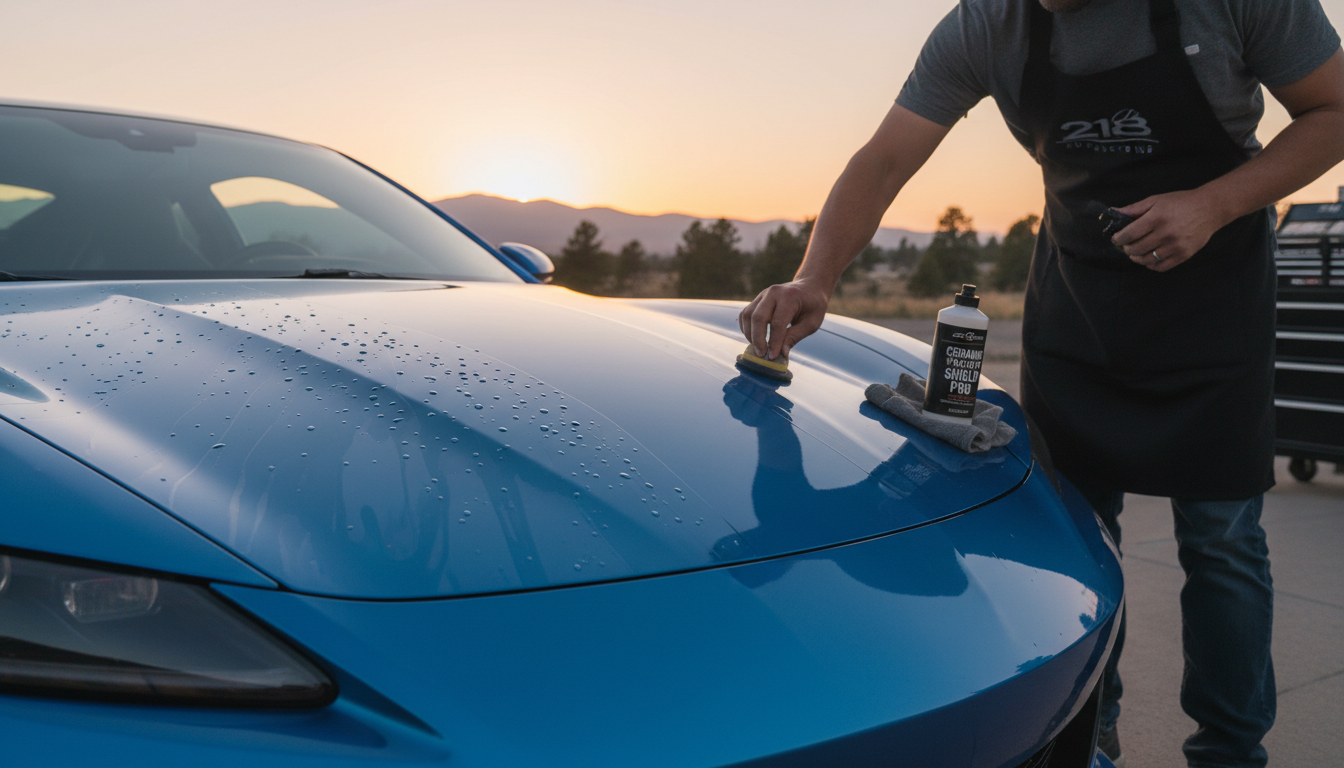
Driving a new car off the dealership lot is thrilling. But, the paint on your new vehicle is vulnerable to damage from the start. Things like the weather, road debris, and pollution can harm the paint’s finish quickly.
At 218 Customs, we know how important it is to keep your car looking good. That’s why we teach car owners about the latest protection methods. It’s vital to protect your car’s paint from the beginning to keep it looking new and lasting longer.
Key Takeaways
- New cars are susceptible to paint damage from the start.
- Early protection is key to maintaining the vehicle’s finish.
- Environmental factors can quickly harm new car paint.
- 218 Customs offers guidance on protecting your vehicle’s paint.
- Proper care can preserve the car’s appearance and durability.
The Vulnerability of New Car Paint
New car paint looks shiny but can easily get damaged by daily things. The paint on your new car might seem tough, but it’s not as strong as you think.
Why Factory Paint Needs Additional Protection
Factory paint protects your car from the environment, but it has its limits. It’s made to look great in the showroom, not to last against UV rays, acid rain, and road dirt. You need extra protection to keep your paint looking good for a long time.
Common Threats to Your New Vehicle’s Finish
Many things can harm your car’s paint. These include:
| Threat | Description | Damage Potential |
|---|---|---|
| UV Rays | Ultraviolet radiation from the sun | High |
| Bird Droppings | Acidic droppings from birds | High |
| Road Debris | Small rocks and gravel kicked up by tires | Medium |
| Industrial Fallout | Pollutants and particles from industrial sources | Medium |
For more info on how car wraps can affect your paint, check this page.
Knowing these dangers is key to protecting your car’s paint. By understanding the weaknesses of factory paint and the dangers it faces, you can choose the best ways to keep your car looking great.
Understanding Your Car’s Paint System
To keep your new car’s paint looking great, it’s key to know how it’s made. Modern car paint is a mix of beauty and protection against the elements.
Modern Automotive Paint Composition
Car paint has many layers, each with its own job. These layers include:
- A primer coat for sticking and fighting rust
- A base coat for color and looks
- A clear coat for shine and protection
The clear coat is vital. It guards against UV rays, dirt, and more. Knowing about these layers helps pick the best protection.
Factory Clear Coat Limitations
Even with a clear coat from the factory, it’s not perfect. It can get damaged by:
| Damage Source | Description |
|---|---|
| UV Exposure | Causes fading and oxidation |
| Environmental Contaminants | Can etch into the clear coat, causing damage |
| Physical Abrasions | Scratches and swirl marks from daily wear and tear |
Knowing these weak spots helps decide if you need extra protection. This could mean using paint protection film or ceramic coatings for better durability.
Initial Steps After Purchasing a New Car
When you drive off the dealership lot, it’s easy to forget important steps for your car’s paint. Taking care of it from the start is key to keeping it looking great and protecting the paint.
Dealer Prep Considerations
Dealerships might put products on your car before you take it home. Knowing what these are and how they affect the paint is important.
Removing Dealer-Applied Products
Some dealers use protective films or coatings. It’s important to remove these carefully to avoid harming the paint.
Addressing Transport Contaminants
During transport, your car might pick up dust, tar, and bug splatters. A good wash is needed to get rid of these.
First Wash Techniques for New Vehicles
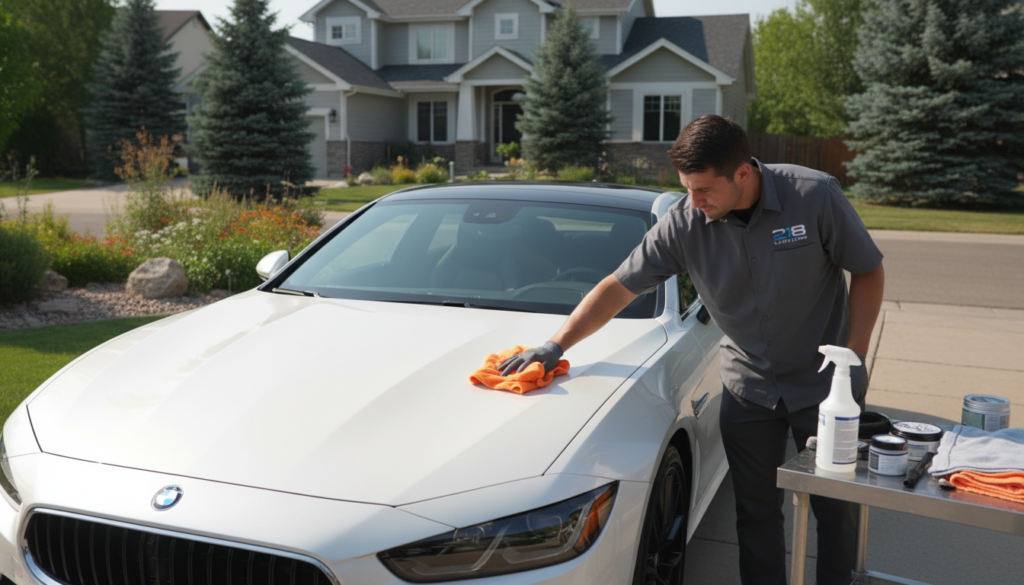
The first wash is very important. Use a mild, pH-balanced car shampoo and soft, microfiber towels to clean it gently.
Paint Inspection and Documentation
After washing, check the paint for any issues or damage. Taking photos or notes can help with future claims or warranty needs.
| Inspection Area | Condition | Notes |
|---|---|---|
| Front Hood | Good | No visible defects |
| Rear Trunk | Minor Scratch | Needs touch-up |
By taking these initial steps, you can greatly improve your car’s paint protection. This helps keep it looking good for a long time.
Professional Paint Protection Film (PPF)
## Professional Paint Protection Film (PPF)
For car owners who want to keep their vehicle looking new, PPF is essential.Professional Paint Protection Film creates a strong shield against scratches and dirt. It protects your car’s paint from harm.
### How PPF Shields Your Paint
PPF forms a protective layer that absorbs impacts. It stops them from hitting your paint. This is great for avoiding damage from road debris, minor accidents, and daily wear.
### Full Coverage vs. Partial Application
Full coverage offers total protection, but partial application can save money. It’s good for areas like the front bumper, hood, and side mirrors. Your choice depends on your budget and how much protection you need.
### Expected Longevity and Maintenance
A top-notch PPF can last many years, based on the material and where you live. It’s important to wash it regularly and avoid harsh cleaners. Check the film often for any damage or wear.
### Self-Healing Properties Explained
Some PPF products haveself-healing properties. They can fix small scratches and damages when warmed up. This keeps the film working well for longer.
To learn more about PPF benefits and how to apply it, visithttps://218customs.com/ppf/.
Ceramic Coating Benefits and Application
Ceramic coatings are a top choice for protecting your new car’s paint. They create a strong, water-repelling layer that keeps paint safe from dirt and more.
How Ceramic Coatings Work
Ceramic coatings bond with your car’s paint, forming a tough shield. This shield fights off heat and keeps water away, preventing spots. The hydrophobic properties of these coatings keep your car looking clean and shiny for longer.
Professional vs. Consumer-Grade Products
Professional ceramic coatings are far better than what you can buy yourself. They last longer and are applied more carefully. But, the DIY versions are easier to get and still offer some protection.
Maintenance Requirements for Coated Vehicles
Coated cars need less care than uncoated ones. Still, they should be washed regularly. Use pH-neutral car wash products to keep the coating safe.
Combining Ceramic Coatings with PPF
Some people add Paint Protection Film (PPF) to their ceramic coatings for extra safety. This combo gives your car a strong shield against damage and keeps it clean. Your car will be safe from many dangers.
- Ceramic coatings provide long-lasting protection.
- They can be used in conjunction with PPF for added protection.
- Regular maintenance is still necessary.
How to Protect New Car Paint with DIY Methods
Protecting your new car’s paint is easy with the right DIY methods and products. You don’t need a professional to keep your car looking new. With some knowledge and the right materials, you can get professional results at home.
Quality Waxes and Synthetic Sealants
Quality waxes and synthetic sealants are key for DIY paint protection. They block out dirt and UV rays. Look for products with carnauba wax or advanced polymers for the best protection. Meguiar’s and Chemical Guys have great options.
Spray-On Protection Products
Spray-on protection products are easy to use and perfect for new car owners. They add a protective layer and make the car shine. They’re great for quick touch-ups between waxing.
Application Techniques for Optimal Results
For the best results, use the right application techniques. Always apply in a shaded area with a clean, microfiber applicator. Apply thin, even coats, letting each dry before adding more. This gives a smooth finish and boosts protection.
Establishing a Safe Washing Routine
To keep your new car’s paint looking great, you need a safe washing routine. A good routine keeps your car looking good and protects its paint. Washing your car regularly is key, but do it right to avoid damage.
Two-Bucket Washing Method
The two-bucket washing method helps avoid scratches. One bucket has soapy water, the other clean water for rinsing. This way, dirt doesn’t get back into the soapy water, reducing scratch risk. For more tips, check out our article on how to wash a new car.
Proper Drying Techniques
Proper drying techniques are as crucial as washing. Use a microfiber drying towel because it’s gentle and absorbs well. Dry from top to bottom to avoid dirt streaks. This prevents water spots and gives a clean finish.
Microfiber Towel Selection and Care
Microfiber towels are essential for paint care. Choose soft, high-GSM towels to avoid scratches. Wash them often to remove dirt. Don’t use fabric softeners, as they reduce absorbency.
Frequency Guidelines Based on Driving Conditions
How often you wash your car depends on where you live and drive. If you’re in a dusty or salty area, wash more often. Washing every two weeks is a good start, but adjust based on your situation. For extra protection, consider a paint protection film.
Environmental Protection Strategies
Keeping your new car’s paint safe from the environment is key. Things like UV rays, rain, snow, and pollutants can harm your car’s paint. It’s important to take steps to protect it.
Garage Storage Benefits
Keeping your car in a garage is a great way to protect it. A garage keeps your car away from sunlight, rain, and snow. This helps prevent paint damage. As car care experts say, “Garage storage is the first line of defense against environmental wear and tear.”
Car Covers: Selection and Proper Use
If you can’t store your car in a garage, a good car cover is the next best thing. Pick a cover that breathes and fits your car’s make and model. Make sure it’s on tight to avoid wind damage and scratches.
Window Tinting for UV Protection
Window tinting also helps protect your car’s interior and paint from UV rays. The right tint can block up to 99% of UV rays. This helps prevent paint fading and keeps your car’s interior looking new.
Protecting Against Regional Weather Challenges
Weather can vary by region. For example, salt spray can harm paint near the coast, while road salt and snow are dangers in cold areas. Knowing your local weather and taking steps to protect your car can help. Regular washing to remove salt or using a snow cover are good ideas.
Dealing with Unavoidable Contaminants
New car owners face many contaminants that can harm their vehicle’s paint. It’s key to know how to handle these to keep your car looking good and safe.
Road Salt and Winter Driving Protection
Road salt is a big problem in winter, used to melt ice. To protect your car’s paint, wash it often to get rid of salt. Use a soft wash solution and avoid strong water pressure that can harm the paint.
Tree Sap and Bird Droppings Removal
Tree sap and bird droppings are acidic and can damage your car’s paint. Use a special cleaner or a mix of water and mild soap to remove them. Gently rub the area with a microfiber cloth and then rinse well.
Industrial Fallout and Rail Dust Decontamination
Industrial fallout and rail dust have metal particles that can harm your car’s paint. Use a clay bar or a decontamination product to remove them. Regular cleaning helps keep your car’s paint in good shape.
| Contaminant | Removal Method | Frequency |
|---|---|---|
| Road Salt | Gentle wash solution | After exposure |
| Tree Sap/Bird Droppings | Specialized cleaner or mild soap | As soon as possible |
| Industrial Fallout/Rail Dust | Clay bar or decontamination product | Regularly, every 3-6 months |
Maintenance Schedule for Long-Term Protection
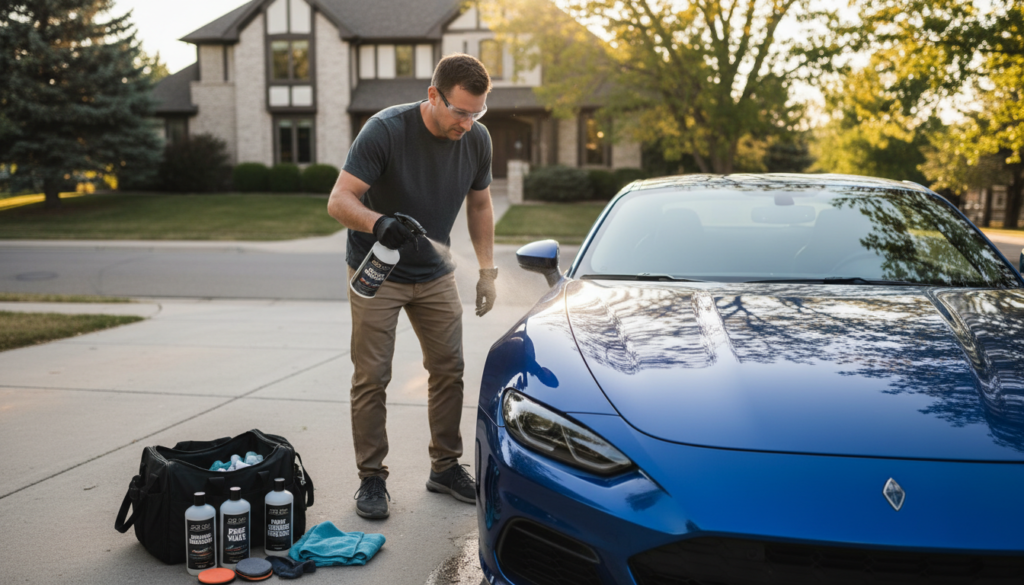
Creating a regular maintenance schedule is key to protecting your car’s paint. A consistent routine helps spot problems early. It keeps your car’s paint looking great.
Monthly Inspection Routine
Regular monthly checks are essential for your car’s paint. Look for scratches or fading during these checks. Also, check for any dirt or contaminants on the paint.
- Inspect the paint surface for scratches or damage
- Check for contaminants like tar or bug splatters
- Look for signs of fading or discoloration
Seasonal Protection Adjustments
Seasons change, and so do the challenges for your car’s paint. Adjust your maintenance routine with the seasons. For example, use salt-resistant products in winter.
| Season | Protection Measures |
|---|---|
| Winter | Use salt-resistant paint protection products |
| Summer | Apply UV-resistant coatings |
| Spring/Fall | Inspect for damage, apply protective coatings as needed |
When to Reapply Different Protection Products
Knowing when to reapply protection products is key. Usually, you need to reapply every 6-12 months. This depends on the product and your environment.
For more info on protection products, check out our article comparing vinyl wrap and.
Professional Detailing Services: When to Consider
While you can do some maintenance at home, sometimes you need professionals. Hire experts for tasks that need special equipment or skills. This includes paint correction or advanced ceramic coatings.
Conclusion: Preserving Your Investment
Keeping your car’s paint in top shape is key to its value and look. By following the tips in this article, you can keep your new car’s paint looking great.
Protecting your car’s paint is a big deal that needs constant care. Regular washing and waxing help spot problems early. This way, you can fix them before they get worse.
To keep your car’s paint safe, think about using a paint protection film (PPF) or ceramic coating. These can protect it from dirt and damage. Also, wash your car carefully, avoid parking under trees, and cover it when you’re not driving.
By sticking to these tips, your car will look new for a long time. Remember, keeping your car’s paint in good shape is a long-term job. It needs patience, dedication, and the right methods.
Putting in the effort to protect your car’s paint will pay off in the long run. It keeps your car valuable and looking good. By focusing on paint protection, you make sure your car stays a valuable asset for years, protecting your investment.