
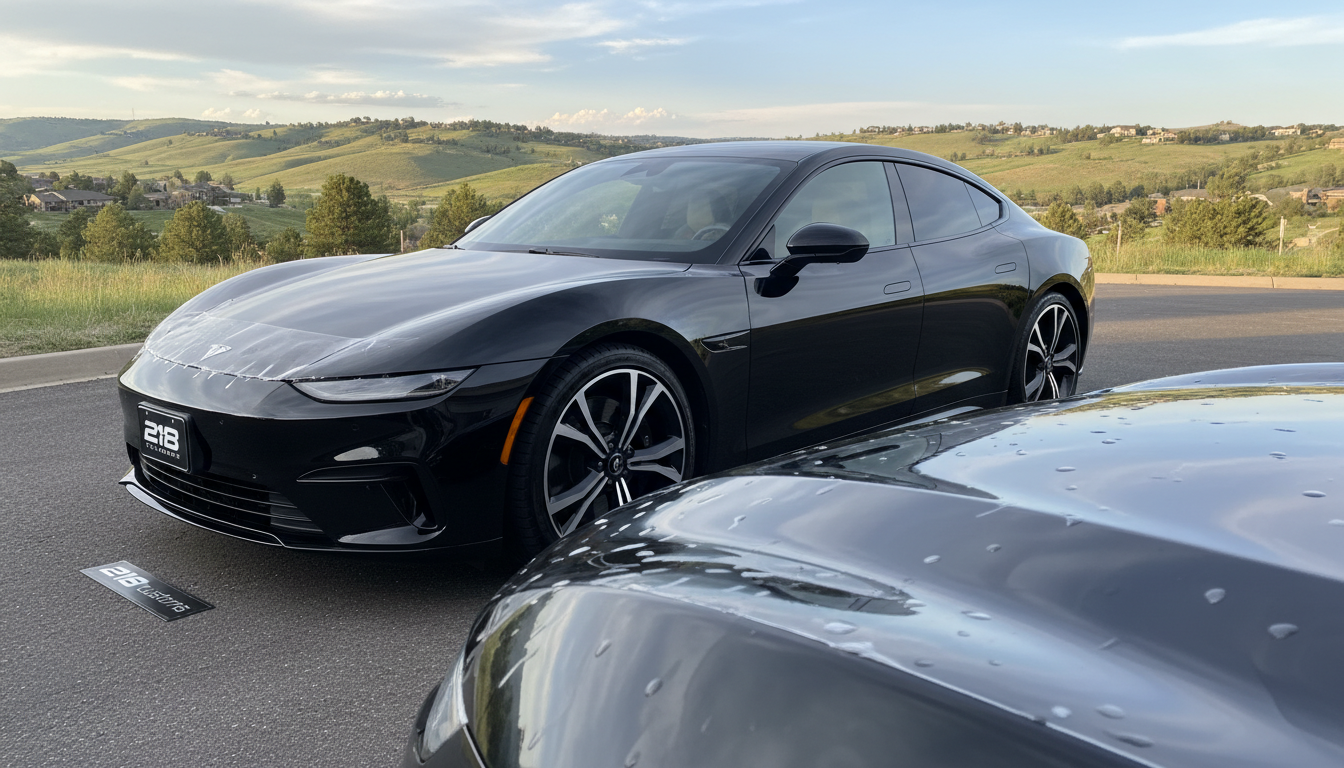
If you own a daily driver, you know how important it is to keep its paint safe. Paint protection film is now a favorite among car owners. It helps shield your vehicle from road debris and environmental harm.
Driving every day puts your car at risk of stone chips and UV damage. Paint protection film acts as a shield. It keeps your car looking new and its value high.
Key Takeaways
- Protects against road debris and environmental damage
- Preserves the vehicle’s appearance and value
- Provides a layer of protection against stone chips and UV damage
- Popular among daily driver owners
- Helps maintain the vehicle’s original paint
Understanding Paint Protection Film
Paint protection film is a clear, durable material applied to a vehicle’s paint surface. It protects it from various forms of damage. This solution has become popular among car owners who want to keep their vehicle looking new.
The Science Behind PPF Technology
PPF’s effectiveness comes from its advanced technology. It absorbs impacts from road debris like rocks and gravel without harming the paint. High-quality PPF also has self-healing properties. This means it can fix minor scratches over time.
How PPF Differs from Other Protection Options
PPF stands out because it offers a physical barrier against damage. This is different from other methods like ceramic coatings or wax. It’s better at preventing scratches and chips.
Thickness and Composition
PPF is made from a multi-layered polyurethane film. It’s usually about 6-8 mils thick, or 0.006-0.008 inches. This thickness gives it flexibility and durability. It can fit the vehicle’s surfaces well while protecting them strongly.
Protection Capabilities
PPF offers wide-ranging protection. It shields the vehicle’s paint from:
- Road debris impacts
- UV damage and fading
- Minor scratches, which can self-heal
| Protection Feature | PPF Capability |
|---|---|
| Impact Resistance | High |
| UV Protection | Excellent |
| Self-Healing | Yes |
Understanding PPF’s science and features helps car owners make smart choices. They can better protect their vehicles.
Benefits of Paint Protection Film
Paint Protection Film (PPF) is great for daily drivers. It protects against road debris and environmental factors. This means less risk of damage to your car’s paint.
Protection Against Scratches and Chips
PPF is excellent at preventing scratches and chips. Daily drivers face more road debris like gravel and sand. PPF helps keep your car’s paint safe.
- Scratch Resistance: PPF is tough against scratches, keeping minor abrasions from reaching the paint.
- Chip Protection: It absorbs impacts from road debris, stopping chips and cracks in the paint.
UV Protection and Prevention of Paint Fading
PPF also protects against UV rays, which can fade paint. It blocks these rays, keeping your car’s color and shine.
Easy Maintenance and Cleaning
PPF makes maintenance and cleaning easier. Its smooth surface prevents dirt and grime from sticking. This makes washing and detailing simpler.
- Reduced Dirt Accumulation: PPF’s hydrophobic properties reduce dirt and water spots.
- Simplified Cleaning: Cleaning a PPF-protected vehicle is quicker and easier, as the film’s surface resists dirt and grime.
Resale Value and Aesthetics
Keeping your vehicle looking good is key for resale value. PPF protects the paint from damage and fading. This helps maintain your car’s appearance.
For more on PPF and resale value, visit Calgary Car Detailing.
Cost and Installation of PPF
Protecting your vehicle’s paint is key. Knowing the cost and installation of Paint Protection Film (PPF) is crucial. The price varies with vehicle size, installation complexity, and film quality.
Initial Investment and Long-Term Savings
The cost of PPF might seem high at first. But, think about the long-term savings. It keeps your paint safe from damage, saving you money on repairs and keeping your car looking good. This can even increase your car’s resale value.
A study by a leading research firm showed PPF’s benefits. It found that vehicles with PPF sold for 10% more than those without. This makes PPF a smart choice for many car owners.
| Vehicle Type | Average Cost of PPF | Resale Value Increase |
|---|---|---|
| Sedans | $1,000 – $1,500 | 8% |
| SUVs | $1,200 – $2,000 | 10% |
| Luxury Vehicles | $1,500 – $3,000 | 12% |
Professional Installation vs. DIY
DIY kits for PPF are out there, but professional installation is better. Pros have the skills and tools for a smooth application. This avoids common issues like bubbles and misalignments.
“Professional installation ensures that the PPF is applied correctly, maximizing its protective benefits and longevity.”
Cost Comparison with Other Protection Methods
PPF costs more upfront than ceramic coatings or wax. But, its long-lasting protection makes it a better value over time.
If you want professional installation, find a reputable installer. Make sure they have PPF experience and can show you their work.
Installation Process and Timeline
The process includes cleaning the paint, applying PPF, and checking for bubbles. The time needed depends on the vehicle size and the installer’s skill.
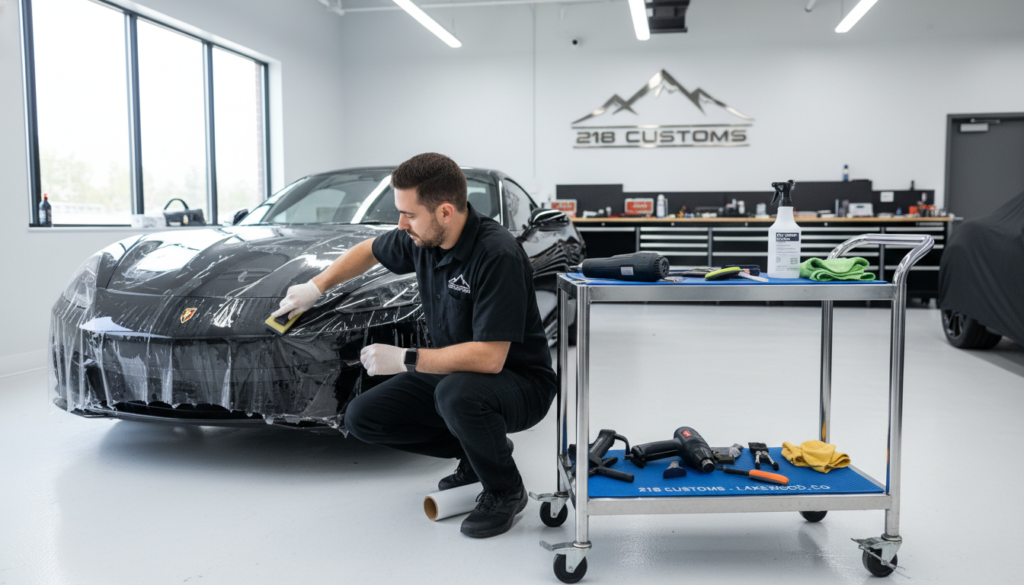
Professional installation usually takes a few hours to a full day. Talk to your installer about the timeline to plan well.
PPF vs. Other Protection Methods
Car owners have many options for protecting their paint, like Paint Protection Film (PPF), ceramic coatings, and wax. Each has its own benefits and drawbacks. Knowing the differences helps you choose the best for your car.
Ceramic Coatings and Wax: A Comparison
Ceramic coatings and wax are alternatives to PPF. PPF acts as a shield against scratches and chips. Ceramic coatings, on the other hand, repel water and contaminants with a chemical barrier. Wax protects against UV rays and minor scratches but needs to be reapplied often.
PPF is durable and protects against rock chips and scratches. Ceramic coatings offer great water repellency and UV protection, though they’re not as physically protective as PPF. Wax is a traditional, cost-effective option but needs regular upkeep.
Advantages and Disadvantages of Each
PPF vs. Ceramic Coating: Which is Better?
Choosing between PPF and ceramic coating depends on your car’s needs. PPF is best for physical protection. Ceramic coating is great for chemical resistance and easy cleaning.
| Protection Method | Physical Protection | Chemical Resistance | UV Protection | Maintenance |
|---|---|---|---|---|
| PPF | Excellent | Good | Excellent | Low |
| Ceramic Coating | Poor | Excellent | Good | Low |
| Wax | Fair | Poor | Good | High |
Wax and Sealants: Pros and Cons
Wax and sealants are traditional paint protectants. They offer protection against the elements and enhance your car’s look. But, they need frequent reapplication and don’t match the protection of PPF or ceramic coatings.
In conclusion, the choice between PPF, ceramic coatings, and wax depends on your needs and preferences. Understanding each option’s pros and cons helps you make the best choice for your car’s paint.
Real-World Examples and Case Studies
## Real-World Examples and Case Studies
Paint Protection Film (PPF) is a popular choice for car owners. It protects the paint from damage. Let’s look at some examples and case studies that show its benefits.
### Daily Drivers and PPF: Success Stories
Many daily drivers have seen the benefits of PPF. For example, aToyota Camryowner said the film kept the hood chip-free for a year. AHonda Civicowner also had success, as PPF saved the bumper from damage after a minor crash.
These stories show how PPF can protect everyday cars. It gives owners peace of mind and can save them money on repairs.
### PPF on Luxury and High-Performance Vehicles
Luxury and high-performance cars also benefit from PPF. AFerrariowner applied PPF to the front end. After a year, the film was almost new, having protected the paint from many rock chips.
#### Before and After: The Impact of PPF
PPF makes a big difference, as seen in before-and-after photos. For example, aMercedes-Benz S-Classowner had PPF on the front end. After six months, it had kept the paint scratch-free and chip-free.
#### Owner Testimonials and Feedback
PPF users often share their positive experiences. APorsche 911owner said, “I was amazed at how well the PPF performed. It kept my car’s paint looking new even after a year of aggressive driving.”
For more info on PPF, visithttps://218customs.com/ppf/.
PPF is beneficial for both daily drivers and luxury vehicles. It protects the paint and keeps the car looking good. PPF is a smart investment for car owners.
Maintenance and Care for PPF
## Maintenance and Care for PPF
Keeping your PPF in good shape is easy if you do it right. You need to clean it often and use the right methods. This keeps the film clean and the paint underneath safe.
### Cleaning and Inspecting PPF
Regular cleaning is key to a healthy PPF. Use a mild soap and water mix to clean it. Stay away from harsh chemicals and rough materials that could harm the PPF. A soft, microfiber cloth works best for cleaning.
When you check your PPF, look for any damage like scratches or tears. Catching problems early helps avoid big repairs later.
### Tips for Maintaining PPF
1. Regular Washing: Washing your car often is important for the PPF. Use a gentle detergent without abrasive particles.
2. Avoid High-Pressure Washer: High-pressure washers can damage the PPF’s edges or lift it off the paint.
3. Drying: Dry your car well after washing, focusing on the PPF areas. Use a microfiber towel to avoid water spots.
4. Avoid Automatic Car Washes: Automatic car washes can be too rough for PPF. The brushes and jets can harm the film.
#### Common Mistakes to Avoid
– Using Harsh Chemicals: Never use harsh chemicals, wax, or detail sprays on your PPF. They can break down the film over time.
– Ignoring Contaminants: Not removing tar, bug splatters, or overspray can damage the PPF.
– Not Inspecting Regularly: Regular checks help spot and fix problems before they get worse.
#### Best Practices for PPF Maintenance
– Use PPF-Specific Cleaning Products: There are cleaning products made just for PPF. They’re gentle but effective at removing dirt and contaminants.
– Park in the Shade: Park in the shade to reduce UV damage to the PPF.
– Avoid Extreme Temperatures: Extreme temperatures can harm the PPF’s adhesive. Park in shaded areas or use a sunshade to protect it.
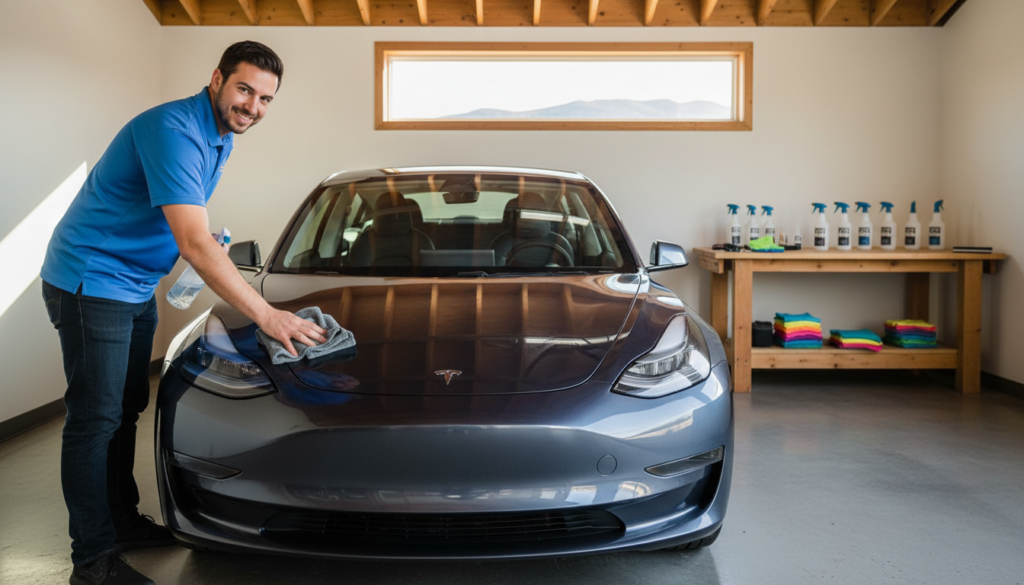
By following these tips, your PPF will stay effective and protect your car’s paint for many years.
PPF and Resale Value
PPF protects your car’s paint and helps keep its value. If you plan to sell your car, knowing how PPF affects value is key.
Impact on Resale Value
PPF keeps your car’s paint looking new. This is very important for luxury and high-performance cars. The paint’s condition greatly affects the car’s worth.
A study shows cars with original paint and little damage sell for more. Learn more about how paint protection can impact your vehicle’s.
Resale Value: PPF vs. No PPF
| Feature | With PPF | Without PPF |
|---|---|---|
| Paint Condition | Original, minimal damage | Potential for scratches, chips |
| Resale Value | Higher retention | Lower due to potential damage |
Vehicle Aesthetics
PPF keeps your car looking good by stopping paint fading and UV damage. This makes your car look newer, attracting more buyers.
“A well-maintained vehicle not only commands a higher resale value but also reflects the owner’s pride in their car.” – Automotive Expert
Aesthetics: PPF’s Impact on Vehicle Appearance
PPF makes your car look better by keeping the paint clear and shiny. It protects the paint from the environment, keeping your car looking original.
In conclusion, PPF is a smart choice for car owners. It helps keep your car’s value and looks up. PPF protects the paint and keeps your car looking new, boosting its resale value.
Conclusion
Paint Protection Film is a great way to keep your car’s paint looking new. It makes the paint last longer and look better. Knowing the benefits of PPF helps car owners decide if it’s right for them.
PPF stops scratches and chips from harming your car’s paint. It also protects against UV rays, which helps prevent paint from fading. This keeps your car looking good and increases its value when you sell it.
| Benefits of PPF | Description |
|---|---|
| Protection Against Scratches and Chips | PPF acts as a barrier, absorbing impacts that could damage the paint. |
| UV Protection | Blocks harmful UV rays, preventing paint fading and discoloration. |
| Ease of Maintenance | PPF makes cleaning easier and reduces the risk of scratches during washing. |
Thinking about getting PPF? Consider the cost and the long-term benefits. The initial cost might seem high, but the protection and peace of mind it offers are worth it. For more details on PPF cost and installation, check out this resource.
In summary, Paint Protection Film is a smart choice for daily drivers. It offers protection, makes maintenance easy, and keeps your car’s value up. By understanding these points, car owners can make a choice that fits their needs and goals.
Final Thoughts
Choosing to use PPF depends on what you need and like. PPF protects against scratches and chips, keeps UV rays out, and stops paint from fading. Think about these points to decide if PPF is good for your car.
Think about the long-term benefits and how it might affect your car’s value. PPF can be a smart choice if you want to keep your car looking new and protect your investment.
In the end, PPF is about what you need and want for your car. By focusing on your specific needs, you can choose the right protection for your vehicle.
FAQ
What is paint protection film, and how does it work?
Is paint protection film worth the investment for daily drivers?
How long does paint protection film last?
Can I install paint protection film myself, or do I need a professional?
How much does paint protection film cost?
FAQ
What is paint protection film, and how does it work?
Paint protection film, also known as clear bra, is a thin, clear film applied to a vehicle’s paint. It protects against road debris, UV rays, and other environmental factors. It works by absorbing the impact of small rocks and debris, preventing them from scratching or chipping the paint.
Is paint protection film worth the investment for daily drivers?
Yes, it’s worth it for daily drivers. It protects the paint from damage, reduces maintenance costs, and keeps the vehicle’s value high.
How long does paint protection film last?
Its lifespan depends on the film’s quality, installation, and maintenance. High-quality PPF can last up to 10 years or more with proper care.
Can I install paint protection film myself, or do I need a professional?
You can try installing it yourself, but a professional is recommended. They ensure a proper fit, avoid bubbles and wrinkles, and guarantee the film’s effectiveness.
How much does paint protection film cost?
The cost varies based on vehicle size, film type, and installation method. A full-body PPF installation can cost between
FAQ
What is paint protection film, and how does it work?
Paint protection film, also known as clear bra, is a thin, clear film applied to a vehicle’s paint. It protects against road debris, UV rays, and other environmental factors. It works by absorbing the impact of small rocks and debris, preventing them from scratching or chipping the paint.
Is paint protection film worth the investment for daily drivers?
Yes, it’s worth it for daily drivers. It protects the paint from damage, reduces maintenance costs, and keeps the vehicle’s value high.
How long does paint protection film last?
Its lifespan depends on the film’s quality, installation, and maintenance. High-quality PPF can last up to 10 years or more with proper care.
Can I install paint protection film myself, or do I need a professional?
You can try installing it yourself, but a professional is recommended. They ensure a proper fit, avoid bubbles and wrinkles, and guarantee the film’s effectiveness.
How much does paint protection film cost?
The cost varies based on vehicle size, film type, and installation method. A full-body PPF installation can cost between $1,000 to $3,000 or more.
Does paint protection film affect the appearance of my vehicle?
High-quality paint protection film is nearly invisible. It maintains your vehicle’s original appearance. Some films may have a slight sheen or texture, but it’s usually minimal.
Can paint protection film be removed, and is it difficult to do so?
Yes, it can be removed, but it’s best to have a professional do it. The removal process can be time-consuming and requires specialized tools.
How do I maintain and care for paint protection film?
To maintain it, wash your vehicle regularly with mild soap. Avoid high-pressure washes and inspect the film regularly for damage or wear. Don’t use abrasive materials or chemicals that can damage the film.
Will paint protection film impact my vehicle’s resale value?
Yes, it can positively impact your vehicle’s resale value. A well-maintained vehicle with PPF can command a higher resale price.
Is paint protection film compatible with other protection methods, such as ceramic coatings?
Yes, it can be used with other protection methods, like ceramic coatings. It’s essential to ensure compatibility and follow the manufacturer’s recommendations.
,000 to ,000 or more.
Does paint protection film affect the appearance of my vehicle?
High-quality paint protection film is nearly invisible. It maintains your vehicle’s original appearance. Some films may have a slight sheen or texture, but it’s usually minimal.
Can paint protection film be removed, and is it difficult to do so?
Yes, it can be removed, but it’s best to have a professional do it. The removal process can be time-consuming and requires specialized tools.
How do I maintain and care for paint protection film?
To maintain it, wash your vehicle regularly with mild soap. Avoid high-pressure washes and inspect the film regularly for damage or wear. Don’t use abrasive materials or chemicals that can damage the film.
Will paint protection film impact my vehicle’s resale value?
Yes, it can positively impact your vehicle’s resale value. A well-maintained vehicle with PPF can command a higher resale price.
Is paint protection film compatible with other protection methods, such as ceramic coatings?
Yes, it can be used with other protection methods, like ceramic coatings. It’s essential to ensure compatibility and follow the manufacturer’s recommendations.