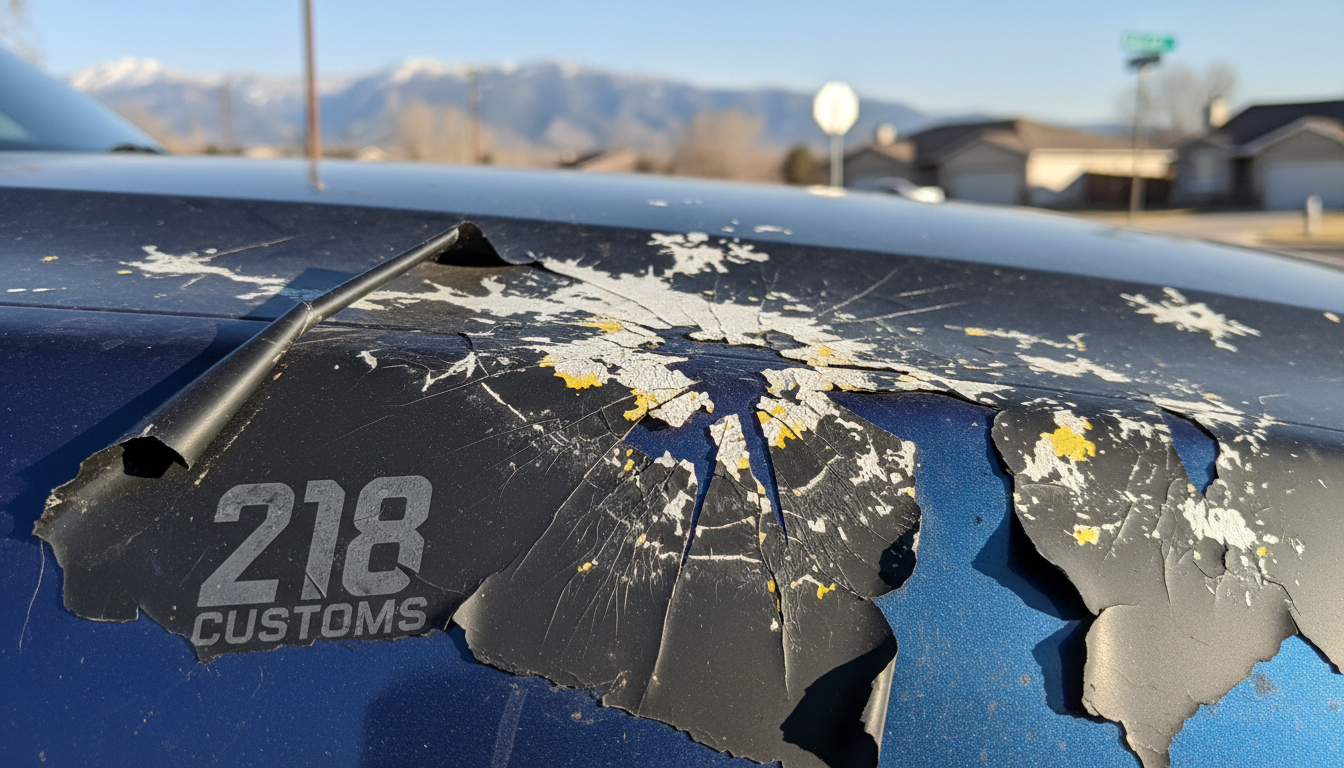
Vinyl lifting or peeling is a common issue faced during or after installation. It leaves car owners worried about their vehicle’s wrap durability.
At 218 Customs, we aim to give clear, practical info. We want to help car owners understand vinyl wrap durability and performance. Knowing the reasons behind these issues is key to a long-lasting wrap.
Several factors can cause a vinyl wrap to deteriorate. These include environmental conditions, installation quality, and material quality.
Key Takeaways
- Environmental conditions affect vinyl wrap durability.
- Poor installation quality can lead to wrap failure.
- Material quality plays a significant role in wrap performance.
- Understanding the causes of wrap failure is crucial for prevention.
- Regular maintenance can help extend the life of a vinyl wrap.
Understanding Vinyl Vehicle Wraps
Vinyl wraps are a great way to make your vehicle stand out without a permanent paint job. They’ve become very popular among car owners looking to customize their vehicles.
What Are Vinyl Wraps and Their Purpose
Vinyl wraps are vinyl sheets that you apply to your vehicle’s surface. They serve many purposes, like advertising, branding, and making your car look better. They also protect your car’s original paint and can be removed without harming it.
Experts say the life of a vinyl wrap depends on the material and the environment it’s in. You can learn more about this at experts.
Types of Vinyl Wraps and Their Durability Expectations
There are different types of vinyl wraps, each lasting a different amount of time. Cast vinyl wraps are great for curves and can last up to 7 years. Calendered vinyl wraps are less expensive but last about 3-5 years.
The life of a vinyl wrap also depends on its adhesive and the conditions it faces. Things like UV rays and extreme temperatures can affect how long it lasts.
| Type of Vinyl Wrap | Durability Expectation | Common Use |
|---|---|---|
| Cast Vinyl | Up to 7 years | Complex curves, high-end applications |
| Calendered Vinyl | 3-5 years | Simple designs, budget-friendly options |
Poor Installation: The Leading Cause of Vinyl Wrap Failures
Many vinyl wrap failures come from bad installation. To make a vinyl wrap last and look great, you must focus on the details during installation.
Improper Surface Preparation Techniques
Poor surface prep is the main reason for vinyl wrap failures. If the surface isn’t clean and ready, the vinyl won’t stick right. This can cause peeling and lifting. Cleaning the surface well and removing dirt, wax, or oils is key. Also, fix any dents or scratches before applying the wrap to avoid problems.
Incorrect Application Temperature and Conditions
Applying vinyl wrap in the wrong temperatures or conditions can harm its durability. Most vinyl wraps need to be applied in a certain temperature range. Avoid extreme temperatures when applying. Also, applying in dusty or dirty places can cause bubbles and adhesion problems.
Stretching and Tension Issues During Installation
Problems with stretching and tension during installation can make the vinyl wrap peel or lift early. It’s important to apply the vinyl with the right amount of tension. Using the right techniques and tools helps avoid overstretching or too much tension, which can cause failure.
| Installation Factor | Common Issue | Prevention Method |
|---|---|---|
| Surface Preparation | Poor adhesion | Thorough cleaning and surface repair |
| Application Temperature | Incorrect adhesion | Apply within recommended temperature range |
| Tension and Stretching | Premature peeling | Use correct application techniques and tools |
Material Quality Factors That Lead your vinyl wrap to Premature Failure
The quality of materials used in a vinyl wrap greatly affects its durability. Knowing these factors is key to a long-lasting wrap.
Low-Quality Vinyl Materials and Their Limitations
Low-quality vinyl can’t handle wear and tear well. It may not stick to surfaces properly, causing peeling or bubbling. Choosing high-quality vinyl is vital for a lasting wrap.
Adhesive Quality and Its Impact on Longevity
The adhesive on vinyl wraps is crucial for their longevity. A good adhesive ensures a strong bond, preventing peeling or lifting. Poor adhesive can cause edge lifting and bubbling.
Differences Between Premium and Budget Vinyl Products
Premium vinyl lasts longer and is more flexible than budget options. It can handle different weather conditions better. While cheaper upfront, budget vinyl often costs more in the long run due to frequent replacements.
Summary:
In summary, the quality of vinyl and adhesives greatly affects a wrap’s lifespan. Investing in premium products and proper installation are essential for a lasting wrap.
| Material Quality | Durability | Cost |
|---|---|---|
| Premium Vinyl | High | Higher upfront cost |
| Budget Vinyl | Low | Lower upfront cost, higher long-term cost |
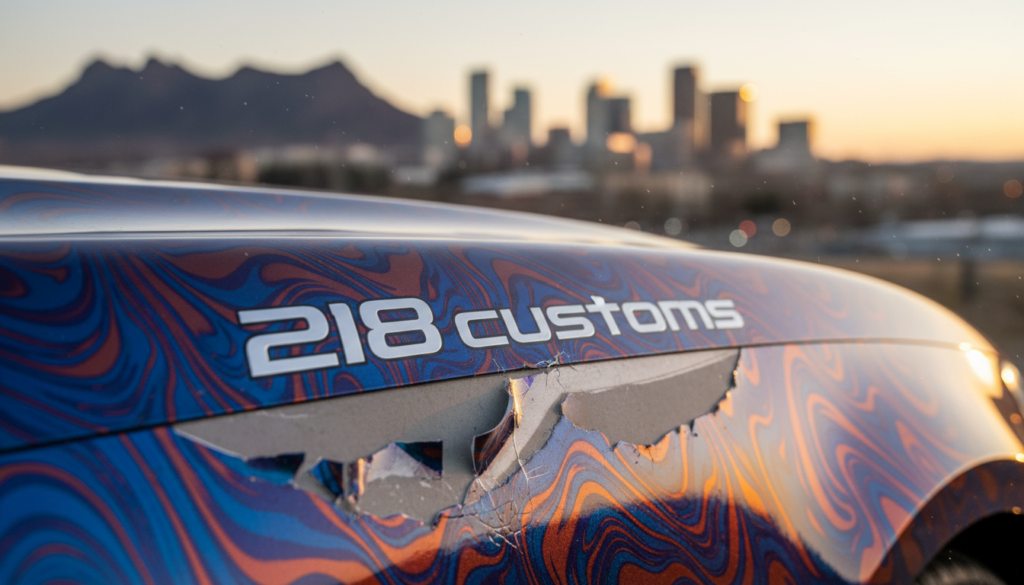
Common Vinyl Wrap Peeling or Lifting Causes and Their Solutions
Many things can make vinyl wraps peel, and knowing why is key to keeping them looking good. Peeling can happen for reasons like edge lifting, bubbling, and when the wrap doesn’t stick well. Finding out why it’s peeling is the first step to fixing it.
Edge Lifting and Curling Issues
Edge lifting and curling are common problems with vinyl wraps. They often happen because the wrap wasn’t put on right or because of extreme temperatures. To stop edge lifting, make sure the wrap is applied with the right amount of pressure and seal the edges well. If it does lift, you can fix it by using heat and pressure to hold it in place.
Bubbling and Air Pockets Under the Wrap
Bubbling and air pockets usually come from not preparing the surface right or from how the wrap is applied. To prevent bubbles, clean and dry the surface before putting on the wrap. If bubbles do show up, you can get rid of them by poking the bubble and smoothing it out with a tool or by applying heat and pressure again.
Adhesion Failure on Complex Curves and Recesses
When vinyl wraps don’t stick well on tricky shapes and recesses, it’s because they can’t fit the surface right. To help it stick better, use a heat gun to stretch the vinyl and make sure it sticks to the surface. For tips on safely removing vinyl wraps, check out this guide on safe removal techniques.
By knowing why vinyl wraps peel and how to fix it, you can keep your wrap looking great for longer.
Environmental Factors Affecting Vinyl Wrap Durability
Vinyl wraps face many environmental challenges that can shorten their life. Knowing these factors helps keep your wrap looking good for longer.
UV Exposure and Sun Damage
UV rays from the sun can harm vinyl wraps, causing them to fade, crack, and peel. To protect your wrap, park in shaded spots or apply a UV-resistant clear coat.
| UV Protection Methods | Effectiveness |
|---|---|
| Parking in shaded areas | High |
| Using a UV-resistant clear coat | Medium |
Extreme Temperature Fluctuations
Big temperature swings can make vinyl wraps expand and contract. This can lead to adhesion problems and cracks. Try to keep your vehicle away from extreme temperatures.
- Avoid parking in direct sunlight during peak hours
- Use a garage or covered parking to regulate temperature
Chemical Exposure and Pollution Effects
Chemicals and pollutants can also harm vinyl wraps, causing them to discolor and degrade. Regular cleaning and care can help prevent this.
For cleaning, use mild soap and water. Stay away from harsh chemicals and rough materials.
Vehicle-Specific Challenges for Vinyl Wrap Adhesion
Different vehicle surfaces pose unique challenges for vinyl wrap adhesion. The paint condition, age, and overall surface are key factors. They greatly affect how well a vinyl wrap sticks.
Vehicle paint conditions and surfaces play a significant role in vinyl wrap adhesion. Old or flaking paint can lead to adhesion problems, causing the wrap to peel or lift prematurely.
Problematic Paint Conditions and Surfaces
Vehicles with old, flaking, or damaged paint often face vinyl wrap adhesion issues. The paint’s condition impacts the wrap’s ability to stick, leading to peeling or bubbling.
Vehicle Age and Surface Condition Considerations
The age and surface condition of a vehicle are also important. Older vehicles or those with rough surfaces may need extra prep before a vinyl wrap. It’s crucial to ensure the surface is clean, smooth, and dry for the best adhesion.
Understanding these challenges helps prepare vehicles for vinyl wrapping. This ensures a longer-lasting and more effective wrap.
Maintenance Mistakes That Damage Vinyl Wraps
Keeping your vinyl wrap in good shape is key. If you don’t take care of it, it can start to peel, lift, or lose its color. Here, we’ll talk about common mistakes that can harm your vinyl wrap and how to steer clear of them.
Improper Cleaning Products and Techniques
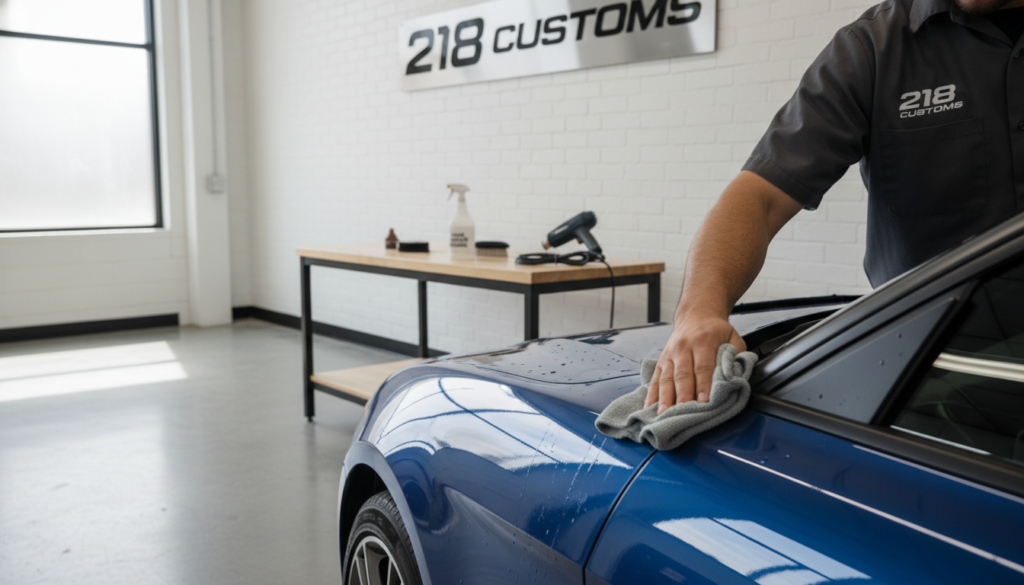
Using the wrong cleaners can hurt your vinyl wrap. Stay away from harsh chemicals and abrasive cleaners. They can remove the protective layer and damage the wrap. Instead, use a gentle soap and water mix and clean it softly with a cloth or sponge.
- Harsh chemicals, such as bleach or ammonia
- Abrasive cleaners or scrubbers
- High-pressure washes
To keep your vinyl wrap looking great, clean it often with a mild soap and water. This helps remove dirt and debris that can harm it over time.
High-Pressure Washing Damage
High-pressure washing can really damage vinyl wraps. The strong water jets can remove the adhesive, causing it to lift or peel. The water can also scratch or tear the wrap’s surface.
To avoid damage from high-pressure washing, consider these steps:
- Avoid using high-pressure washes altogether
- Use a low-pressure wash or a soft cloth to clean the wrap
- Keep the wash nozzle at least 12 inches away from the wrap
Neglecting Regular Maintenance Requirements
Regular care is vital for your vinyl wrap’s longevity. If you don’t clean and check it often, it can deteriorate quickly. To keep your vinyl wrap in top shape, remember to:
- Clean the wrap regularly using a mild soap and water solution
- Inspect the wrap regularly for signs of damage or wear
- Address any issues promptly to prevent further damage
By avoiding these common mistakes and following these tips, you can make your vinyl wrap last longer and look better. For more on vinyl wrap care, read our article on whether car wraps damage your paint.
Warning Signs Your Vinyl Wrap Is Deteriorating
Spotting early signs of vinyl wrap wear can save you money. Vinyl wraps are tough but can still wear out. Things like weather, bad installation, and upkeep errors can cause them to fail.
Visual Indicators of Vinyl Wrap Failure
There are clear signs your vinyl wrap is failing. Look out for:
- Lifting edges or corners
- Bubbling or air pockets under the wrap
- Fading or discoloration
- Cracking or peeling
These problems not only ruin your car’s look but also its protection. If you see these issues, fix them fast to avoid more damage.
When to Consider Repair vs. Complete Replacement
Deciding to fix or replace a vinyl wrap depends on the damage. Small problems like bubbles or edge lift can be fixed. But big issues like wide cracks, big peels, or color changes mean you need a new wrap.
| Damage Type | Recommended Action |
|---|---|
| Minor edge lifting | Repair |
| Extensive peeling or cracking | Replace |
| Localized bubbling | Repair |
| Widespread discoloration | Replace |
For more on vinyl wraps vs. paint, and when to choose one over the other, check out 218 Customs.
Preventing Vinyl Wrap Failures: Best Practices
To stop vinyl wrap from peeling, you need to install it right, take care of it regularly, and protect it. Knowing and using these best practices can make your vinyl wrap last longer.
Professional Installation Benefits
Getting a pro to install your vinyl wrap is key. They know how to avoid air bubbles and wrinkles. This means your wrap will last longer. For tips on avoiding mistakes, check out common wrap mistakes to avoid.
Experts can handle tricky spots, giving you a smooth finish. This is important for a long-lasting wrap.
Proper Care and Maintenance Routines
Keeping your vinyl wrap in good shape is essential. Use the right cleaners to avoid harm. High-pressure washing is a no-no because it can make the wrap lift or peel. Instead, wash it gently with mild soap and water.
Check your wrap often for any problems. This way, you can fix issues before they get worse.
Protective Measures for Extended Wrap Life
There are extra steps you can take to make your vinyl wrap last longer. Apply a clear coat or protective film to wear-off spots, like the front bumper. Also, park in the shade or use a car cover to shield it from UV rays. This helps prevent fading and damage.
Common Causes of Vinyl Wrap Peeling
When it comes to vinyl wraps, peeling can be a major issue. Understanding the common causes of vinyl wrap peeling is crucial for maintaining the integrity and appearance of your vehicle. Here are some key factors to consider:
1. Poor Surface Preparation
One of the primary causes of vinyl wrap peeling is poor surface preparation. If the surface is not properly cleaned, sanded, and primed, the wrap may not adhere properly, leading to peeling over time. It’s essential to ensure that the surface is free from dirt, oils, and other contaminants before applying the vinyl wrap.
2. Incorrect Application Techniques
Applying a vinyl wrap requires specific techniques and tools. If the wrap is not applied correctly, it can lead to peeling and other issues. It’s important to follow the manufacturer’s instructions and use the recommended tools to ensure a smooth and even application.
3. Exposure to Extreme Temperatures
Extreme temperatures can cause vinyl wraps to deteriorate and peel. Whether it’s exposure to direct sunlight, high temperatures, or freezing temperatures, it’s important to protect your vinyl wrap from these conditions. Consider using a UV-resistant wrap and avoid parking your vehicle in direct sunlight for extended periods.
4. Moisture and Humidity
Moisture and humidity can also contribute to vinyl wrap peeling. Water can seep under the wrap and cause it to lift and peel. It’s important to avoid washing your vehicle in direct sunlight and ensure that the wrap is completely dry before applying any cleaning products or sealants.
5. Aging and Wear and Tear
Over time, vinyl wraps can naturally deteriorate and peel due to aging and wear and tear. This is a normal process, but it can be accelerated by exposure to harsh weather conditions, UV rays, and regular wear and tear. Regular inspections and maintenance can help extend the lifespan of your vinyl wrap.
By understanding these common causes of vinyl wrap peeling, you can take proactive steps to prevent it and ensure the longevity of your vehicle’s wrap. Proper surface preparation, correct application techniques, protection from extreme temperatures, avoidance of moisture and humidity, and regular maintenance are all key factors in maintaining the integrity of your vinyl wrap.
| Causes of Vinyl Wrap Peeling | Prevention Tips |
|---|---|
| Poor Surface Preparation | Clean, sand, and prime the surface before applying the wrap |
| Incorrect Application Techniques | Follow the manufacturer’s instructions and use recommended tools |
| Exposure to Extreme Temperatures | Protect the wrap from direct sunlight and extreme temperatures |
| Moisture and Humidity | Avoid washing in direct sunlight and ensure the wrap is dry before cleaning |
| Aging and Wear and Tear | Regularly inspect and maintain the wrap to extend its lifespan |